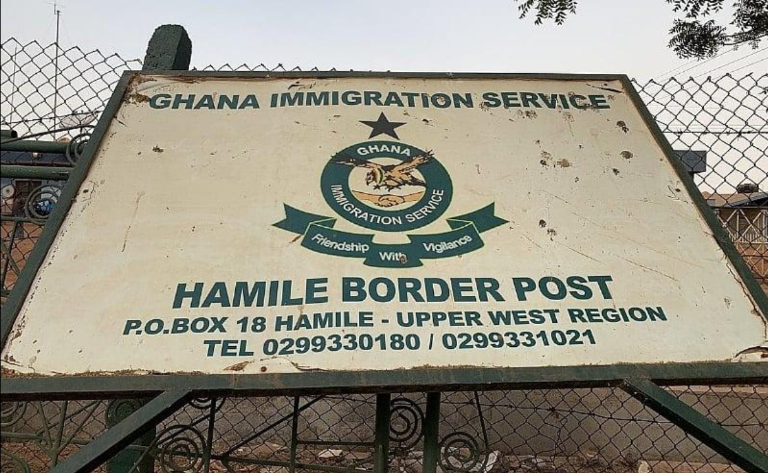
A fatal explosion in the Ghanaian town of Hamile has claimed multiple lives, including a Ghana Immigration Service officer, during an operation targeting a suspected explosives-laden tricycle near the Burkina Faso border. The incident underscores the escalating security challenges in the region’s border areas.
Hamile explosion: what happened during the interception
The tragedy unfolded on the morning of November 3, 2026, when security forces attempted to intercept a tricycle suspected of transporting undeclared explosives, including dynamite, near Hamile in Ghana’s Upper West Region. According to preliminary reports, the vehicle was traveling on an unauthorized route when officers attempted to stop it for inspection.
The occupants reportedly resisted the security checkpoint, leading to a pursuit. The subsequent explosion occurred during the chase, killing one immigration officer and critically injuring a security personnel. The civilians in the tricycle were also killed in the blast. Authorities have not yet released full details about the exact sequence of events or the origins of the explosives.
Ghana’s border security under scrutiny after deadly blast
Hamile, a key cross-border transit point between Ghana and Burkina Faso, sits in a region where porous borders and unregulated movement have fueled security concerns. The area’s role in both local trade and regional migration makes it a critical but vulnerable zone for security oversight.
Officials acknowledge that unauthorized routes and unmonitored transport of hazardous materials pose significant risks. While border patrol units are in place, the use of informal pathways by smugglers and transporters complicates enforcement. The Hamile explosion highlights the dangers of unchecked movement of volatile substances in these unregulated corridors.
Regional instability fuels border security concerns in Ghana
This incident comes amid rising instability in Burkina Faso, where armed groups have intensified attacks, displacing thousands. Ghana has reinforced border monitoring in response, aware of the risk of spillover violence. However, evidence linking the Hamile blast to terrorism remains unconfirmed.
Investigators have not established a direct connection between the explosion and armed groups operating across the border. Current findings suggest it was tied to the suspected transport of explosives and the pursuit that followed. Further analysis is required before any conclusions can be drawn about organized involvement.
What’s next after the Hamile explosion?
In the wake of the tragedy, security agencies are reviewing protocols for intercepting hazardous materials and managing unauthorized routes. The incident has prompted calls for better inter-agency coordination, intelligence sharing, and public engagement in border communities.
For now, the focus remains on conducting a thorough investigation, treating the injured, and implementing safeguards to prevent future incidents. Until definitive answers emerge, the blast serves as a stark reminder of the fragile balance between openness for trade and the need for strict control in high-risk border areas.