Ivorian justice minister addresses public concerns over FBI presence in Abidjan
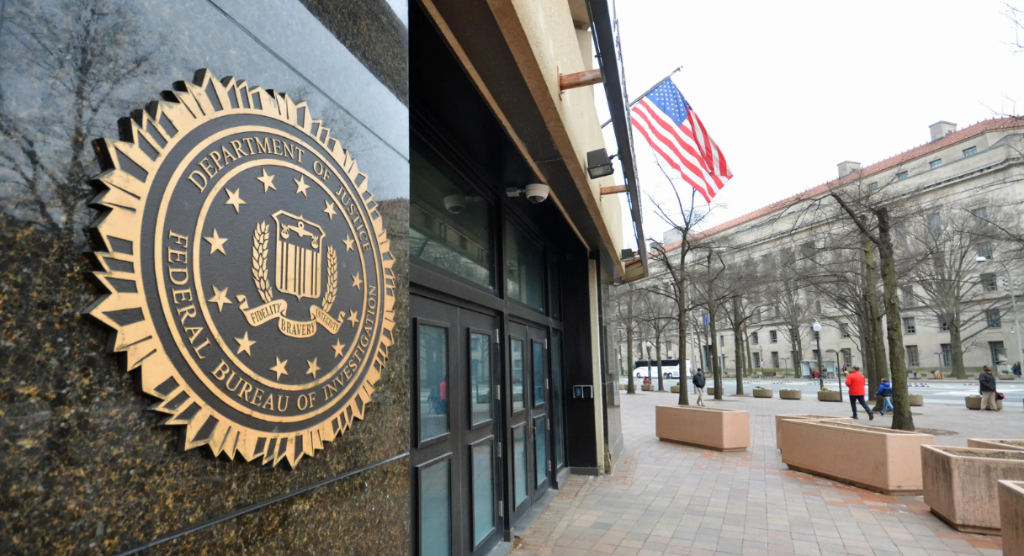
The recent placement of agents from the United States Federal Bureau of Investigation (FBI) within the Economic and Financial Penal Unit (PPEF) in Abidjan has sparked significant public debate across Ivory Coast. Amid growing speculation regarding alleged corruption within the unit, Justice and Human Rights Minister Jean Sansan Kambilé has stepped forward to clarify the circumstances behind this unprecedented collaboration.
Cybercrime crackdown drives US-Ivorian judicial cooperation
Contrary to media reports suggesting an investigation into Ivorian magistrates, Minister Kambilé emphasized that the FBI’s involvement is solely intended to aid local authorities in dismantling cybercrime networks operating from Ivorian soil. These networks, he explained, have targeted victims abroad, particularly in the United States, using sextortion—a form of digital extortion where perpetrators blackmail victims by threatening to release intimate images.
« The FBI is here to help our judicial authorities apprehend suspects involved in these transnational crimes, » Kambilé stated. « To date, nearly a dozen individuals have been arrested and prosecuted as a result of this cooperation. »
Sextortion networks exploit psychological manipulation
Sextortion operates through carefully staged psychological manipulation. Perpetrators create fake online profiles, cultivate trust—sometimes under false romantic pretenses—and coerce victims into sharing compromising material. Once obtained, these images or videos are weaponized, with threats to expose victims to their families or the public unless financial demands are met. The consequences for victims can be devastating, including severe psychological trauma and, in extreme cases, suicide.
American authorities have identified several sextortion rings based in Ivory Coast targeting US citizens. The FBI’s deployment aims to disrupt these networks, assist in arrests, and ensure proper judicial proceedings.
Joint task force launches coordinated offensive
A specialized Task Force has been established, uniting Ivorian magistrates, prosecutors, and FBI agents. This team works under a structured framework to investigate both sextortion and money laundering—often interconnected in transnational criminal enterprises.
The PPEF has confirmed multiple successes, including the arrest and prosecution of nearly a dozen individuals. FBI agents and US prosecutors have conducted joint operations, including on-site assessments and consultations with top Ivorian judicial officials.
Ministry denies corruption allegations tied to FBI collaboration
Minister Kambilé categorically rejected reports linking the FBI’s presence to internal corruption within the PPEF. In a formal statement, the Ministry of Justice refuted claims that a domestic investigation into the unit had been influenced by US intelligence or that foreign accounts were tied to misconduct. Officials stressed that the sole objective remains combating cybercriminal activity and financial crime.
The statement highlighted that no foreign agency had reported such allegations to Ivorian authorities and that no ongoing judicial probe, as described in media reports, has been authorized.
Sovereignty and transparency under scrutiny
While the collaboration has yielded tangible results, it has also revived debates over national sovereignty and the extent of foreign investigative powers within Ivorian courts. Critics question whether foreign agents are operating under clearly defined legal parameters and how their involvement aligns with national judicial authority.
Transparency, the Minister argued, is key to addressing concerns. He pointed to the collaboration’s achievements—including arrests, prosecutions, and Ivory Coast’s removal from the Financial Action Task Force (FATF) grey list—as evidence of its strategic value.
The partnership reflects a broader shift in Ivory Coast’s approach to international crime, balancing urgent security needs with the preservation of institutional autonomy.
Key outcomes of the US-Ivorian collaboration
- Arrest and prosecution of multiple cybercriminals involved in sextortion rings
- Enhanced investigative capacity through joint task force operations
- Contribution to Ivory Coast’s removal from FATF grey list due to strengthened anti-money laundering measures
- Increased coordination between Ivorian and US judicial authorities
Looking ahead: cooperation with safeguards
As Ivory Coast navigates the complexities of international judicial collaboration, the government faces the dual challenge of combating sophisticated cybercrime while maintaining public trust in its institutions. The ongoing presence of the FBI at the PPEF underscores the high stakes—and the need for clear, accountable partnerships that protect both national sovereignty and citizen safety.