After more than a year of escalating tensions, Mali and Algeria have finally restored full diplomatic relations. The surprise announcement came last Friday, catching many off guard as no prior signals had hinted at this thaw. The rupture stemmed from Bamako’s sharp accusations that Algiers was complicit with armed groups operating along their shared border—namely the jihadist coalition Jama’at Nusrat al-Islam wal Muslimin (JNIM), affiliated with al-Qaeda, and the separatist Movement for the Liberation of Azawad (FLA).
As the two nations begin to rebuild trust, questions arise about the forces behind this détente. Could Moscow or Niamey have played a role in brokering this deal? Might Bamako reconsider its exclusively military strategy against armed factions now that Algiers, a vocal advocate of dialogue, is back at the table? Is this rapprochement sustainable, or just another fleeting diplomatic episode?
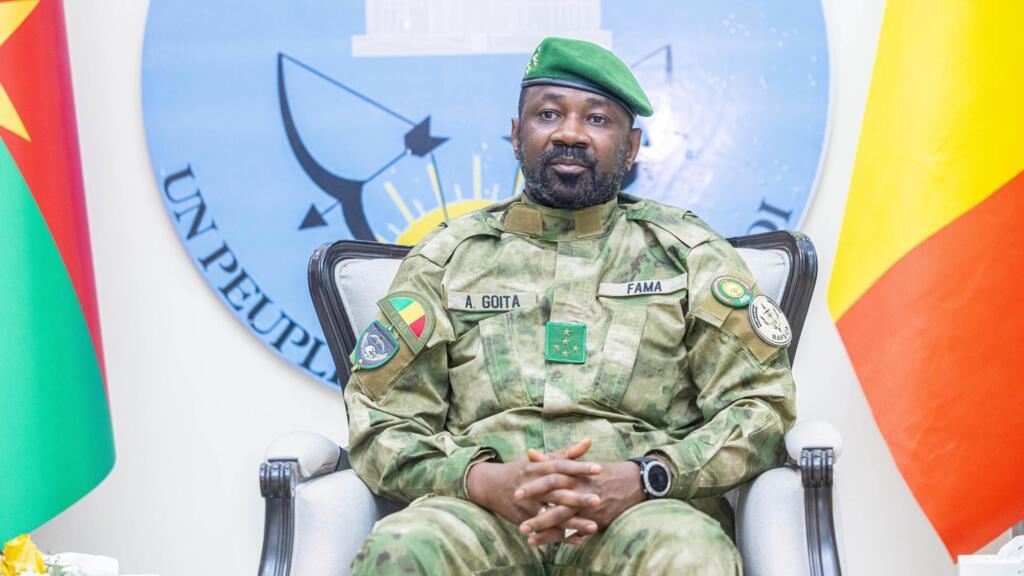
Mali Algeria thaw: a game-changer or temporary truce?
What triggered the sudden diplomatic thaw?
Mali and Algeria have agreed to reopen their embassies and restore mutual airspace access, marking the end of a diplomatic freeze that lasted over a year. While many speculate about external influences, particularly from Moscow, the reality appears more nuanced. According to our findings, Niger has been quietly mediating behind the scenes for months—first before and then after the coordinated attacks in April 2025, which involved both JNIM and FLA fighters.
Mali’s recent reconciliation with Algiers coincides with Niamey’s own renewed ties with Algeria earlier this year. However, the role of other actors, including Russia, cannot be entirely ruled out. While direct involvement from Moscow seems unlikely, exchanges between Algiers and Moscow have undoubtedly taken place at high levels.
Can Bamako shift from military to political solutions?
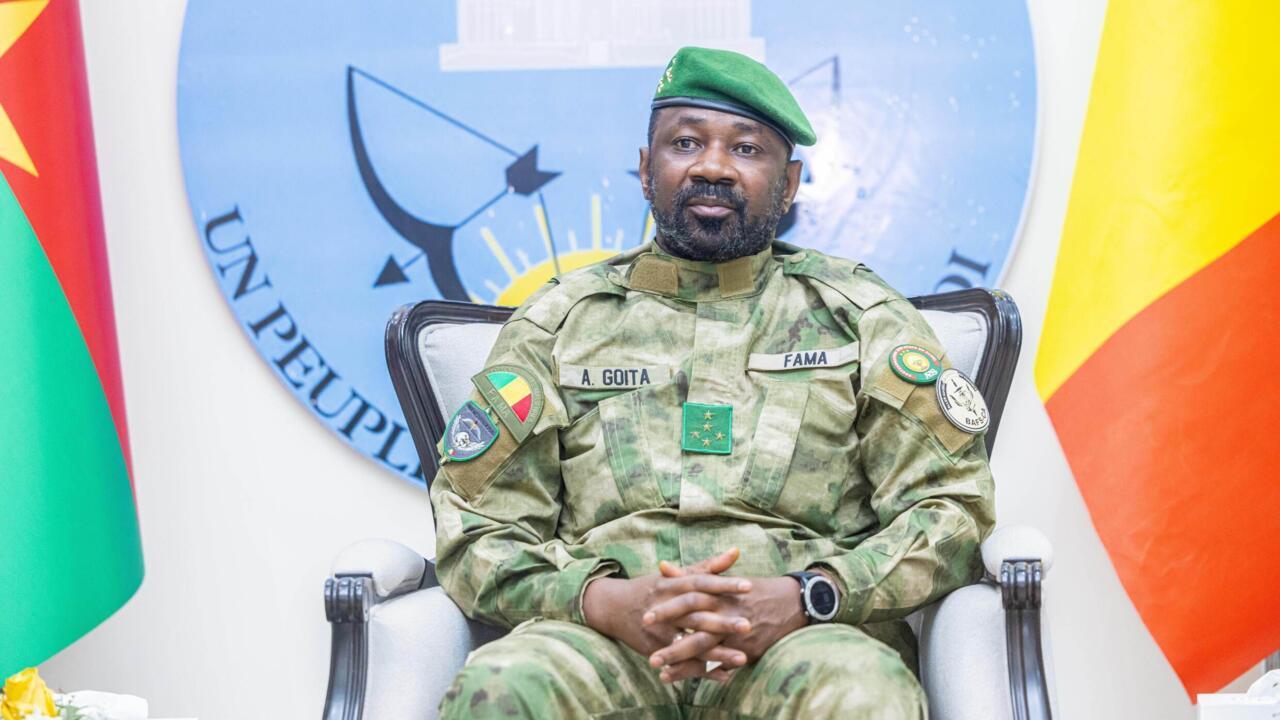
Mali’s transitional authorities have abandoned the 2015 Algiers Peace Agreement, which had been negotiated with northern separatist factions. Bamako now rejects any dialogue with armed groups—whether jihadist or separatist—and insists on a purely military response. Could this stance soften following the warming of relations with Algeria?
There must have been a trade-off. A key clause in any deal would logically prioritize political logic over military force. While a full return to the Algiers Agreement seems improbable, some form of political initiative—particularly involving the FLA—may emerge. The Malian state is fraying at the edges, and no one, including Algeria, wants to see it collapse.
Could the military-led regime in Bamako, now approaching six years in power, take a step toward negotiating with FLA separatists despite its belligerent rhetoric? It may be premature to assume so. Numerous obstacles remain. If a deal has indeed been struck, the immediate outcomes should include enhanced security coordination, intelligence sharing, and Algerian involvement—given Algiers’ established contacts with certain FLA leaders—to help de-escalate tensions. However, many variables could derail this process: international spoilers, public opposition in Mali, or resistance within the regime itself. We are at a crossroads where brute force has failed, and all parties are cautiously seeking a peaceful resolution—an encouraging sign.
Unresolved disputes linger
The April 2025 drone incident—when Mali accused Algeria of shooting down a drone on Malian soil, a claim Algiers denied—has not yet been fully resolved. Both nations share no deep historical grievances, but the recent tensions have left lingering questions that require clarification.
Algeria’s long-standing policy of maintaining ties with both Malian authorities and armed factions reflects a delicate balancing act. For decades, Algiers has positioned itself as a mediator, avoiding outright support for either side. Supporting rebels too openly risks alienating Bamako, while siding too closely with the government could undermine influence among rebel groups. Algeria’s priority remains preventing spillover of separatist or jihadist movements into its own southern regions. This means tolerating certain activities but never fully endorsing actors seeking to destabilize Mali or challenge its territorial integrity.
For instance, the presence of Malian opposition cleric Dicko in Algeria has been a persistent irritant. If the agreement holds, Dicko will likely adopt a lower profile; an extradition is out of the question. If the deal collapses, his visibility—and that of his rhetoric—will resurface.
Mali’s recent recognition of Morocco’s plan for Western Sahara did not sit well with Algiers, who viewed it as a concession to Rabat without tangible benefits. While Algeria will not reverse its position on the Sahrawi Arab Democratic Republic, it is unlikely to play an active role in the Western Sahara dossier moving forward.
Is this thaw for real, or just another diplomatic mirage?
Joint communiqués rarely emerge without substance behind them. This thaw suggests a deeper understanding has been reached. Yet, the path forward will not be linear. Setbacks are possible—whether from a resurgent JNIM, battlefield victories by armed groups, or internal fractures within Mali’s transitional government. The coming weeks will reveal whether this détente translates into tangible cooperation, starting with improved security coordination between Bamako and Algiers. The world is watching closely.