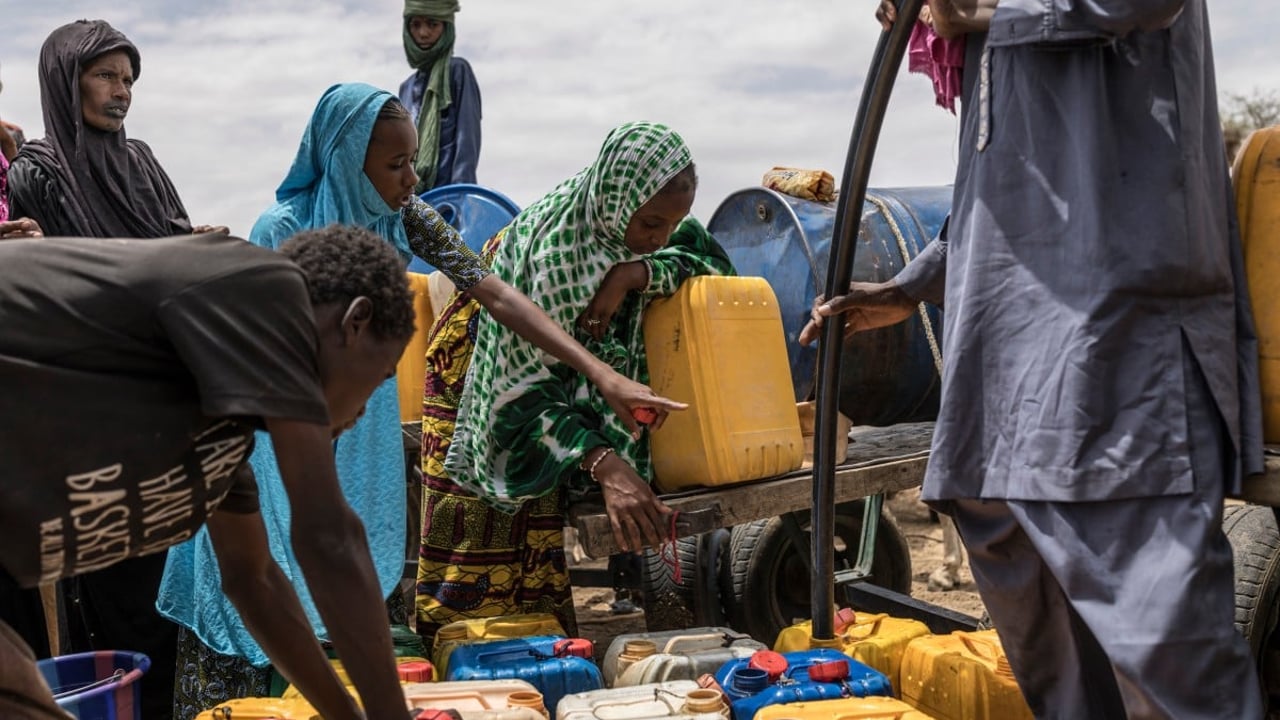
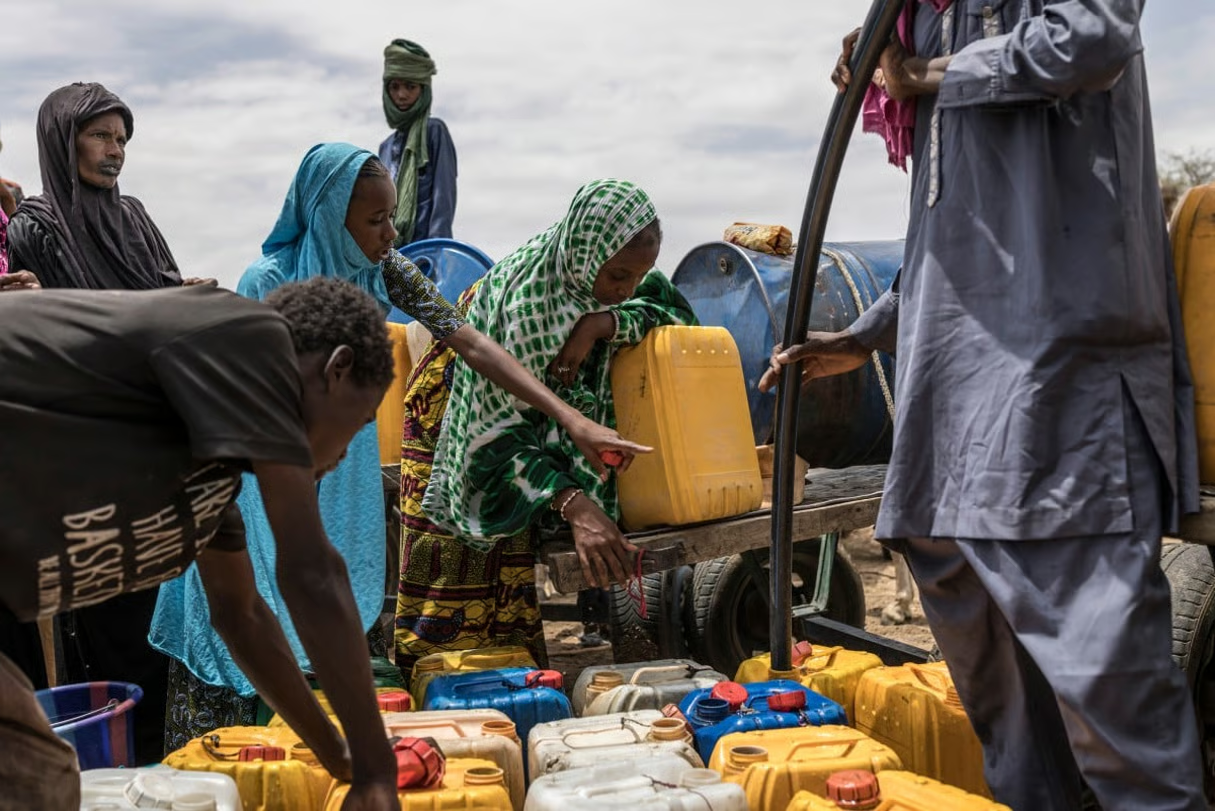
“If the Russian mercenaries depart, we will return home,” declares Mosso*, a Malian refugee in Mauritania, articulating a fragile hope for repatriation. This sentiment follows significant assaults in late April against the Malian army and its Russian allies, Africa Corps. These coordinated attacks, executed by the separatist Front de libération de l’Azawad (FLA) and the jihadist Group to Support Islam and Muslims (Jnim, affiliated with Al-Qaeda), inflicted an unprecedented blow on Mali’s ruling junta, which seized power in a 2020 coup, even resulting in the death of the Defense Minister.
In Fassala, a Mauritanian locality situated near the Malian border, memories of atrocities committed by Russian paramilitaries weigh heavily on many refugees. They commonly refer to these forces as “Wagner,” recalling the private Russian militia, now known as Africa Corps, which has supported the Malian army in its anti-jihadist operations since the withdrawal of French forces.
“Goïta brought Wagner here”
Under a makeshift tent, seeking refuge from the Sahelian desert’s intense heat, Mosso expresses his desire for the