Deadly raids in Ségou: army and allied militias accused of civilian killings
Mali’s military forces, operating alongside allied militia groups, stand accused of executing at least 31 civilians and torching homes in two separate villages within the embattled central region of Ségou during early October operations.
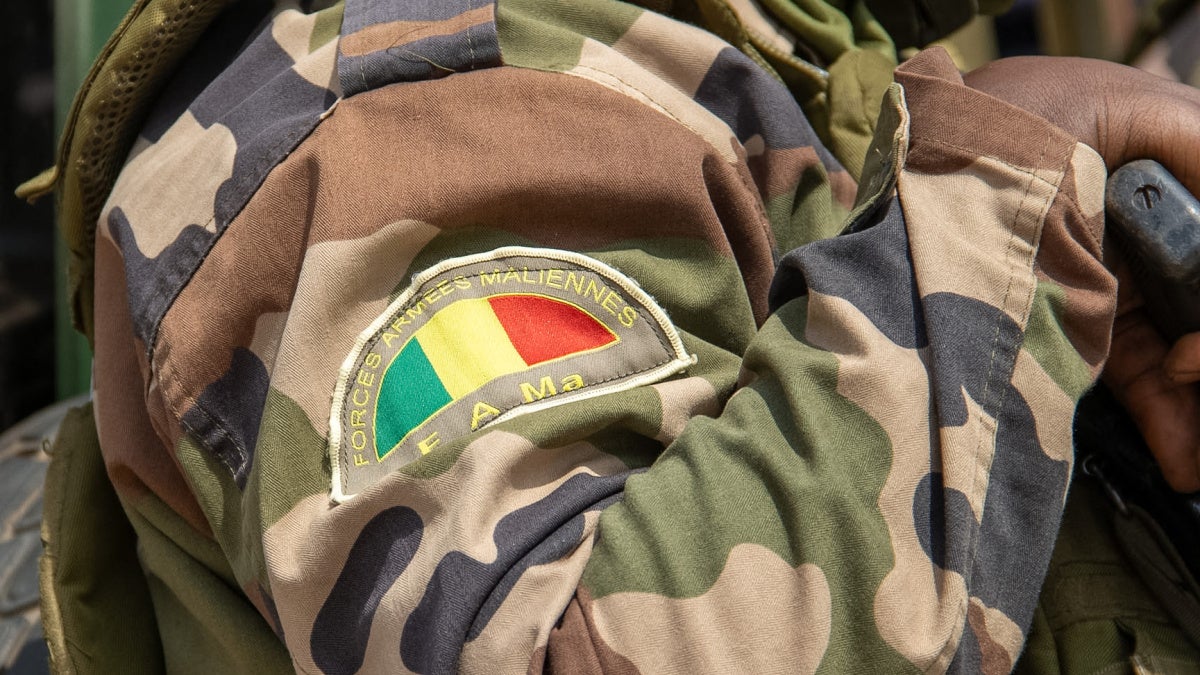
On October 2, soldiers from the Malian Armed Forces (FAMA) and Dozos militiamen—traditional hunters drawn largely from the Bambara ethnic group—launched coordinated attacks on Kamona village. Witnesses reported that military units arrived in at least seven pickup trucks and three armored vehicles, accompanied by Dozo fighters on motorcycles. The assailants allegedly rounded up local men and summarily executed 21 individuals, while setting fire to over 10 homes.
Thirteen days later, on October 13, similar violence unfolded in the nearby village of Balle, located roughly 55 kilometers away. In this incident, soldiers and Dozo militiamen killed nine men and one woman, while also driving off more than 100 cattle. Survivors described being subjected to beatings and door-to-door searches before the killings took place.
Conflict dynamics and civilian targeting
The villages of Kamona and Balle lie within an area under the control of the Group for the Support of Islam and Muslims (GSIM, or JNIM), an Al-Qaeda-affiliated jihadist coalition that has intensified operations in central Mali. Witnesses stated that the GSIM had warned residents of the military’s advance, prompting many to flee before the attacks. However, those unable to escape were systematically targeted.
A 40-year-old herder, who hid in an abandoned house with his nine-year-old daughter during the October 2 assault, recounted discovering 17 bullet-riddled bodies under a tree. He described one victim with a crushed skull and noted the presence of spent cartridges scattered near the corpses. A local elder later confirmed that four additional bodies were found north of the village, with all victims showing gunshot wounds to the head and torso.
In Balle, a 24-year-old resident recounted witnessing soldiers and Dozos conducting house-to-house searches, assaulting villagers before opening fire. Ten civilians, including a 55-year-old woman, were killed in the assault. A 33-year-old survivor described finding the bodies of the victims clustered together, some with broken limbs, indicating extreme brutality.
The woman’s 21-year-old daughter provided a harrowing account of her mother’s death. She stated that her mother confronted the soldiers, accusing them of mistreating villagers, before being led away and executed alongside the men.
Military claims and local realities
The Malian Armed Forces’ Chief of Staff issued a statement on October 14 claiming that the October 13 operation in Balle was a successful “offensive reconnaissance” mission that resulted in the neutralization of “around twenty terrorists” and the seizure of military equipment. However, residents disputed this narrative, asserting that Balle has been under GSIM control for years. Locals reported paying religious taxes to the jihadist group and resolving disputes through its courts, as no state security forces were present in the area.
Residents emphasized that the military’s operations lacked discrimination, treating all civilians as potential combatants. “The army does not distinguish between us and them,” one villager explained. “They assume anyone here is a GSIM fighter.”
Broader context of violence in Mali
Since 2012, successive Malian governments have waged a protracted counterinsurgency campaign against Islamist armed groups, resulting in thousands of civilian deaths and displacing over 400,000 people. The current conflict has escalated in recent months, particularly after the GSIM began besieging Bamako in early September. This siege disrupted fuel supplies to the capital and forced the military junta to temporarily shutter schools and universities across the country.
International humanitarian law prohibits attacks on civilians, as well as executions, torture, and cruel treatment. Individuals responsible for such violations—whether through direct action or command responsibility—may face prosecution for war crimes. While Mali withdrew from the International Criminal Court (ICC) in September 2025, the country remains bound by the Rome Statute until September 2026. The ICC opened an investigation into alleged war crimes in Mali in 2013.
The African Union (AU) has faced criticism for its limited response to the deteriorating security situation in Mali. Despite its mandate to promote peace and security, the AU’s Peace and Security Council has restricted itself to issuing statements expressing concern, without taking concrete action to address abuses by all parties involved.
The recent massacres in Ségou underscore the urgent need for accountability. Investigations must be conducted impartially, and those responsible for these atrocities must be held to account through fair judicial proceedings.