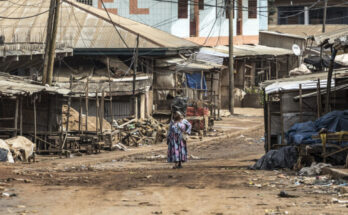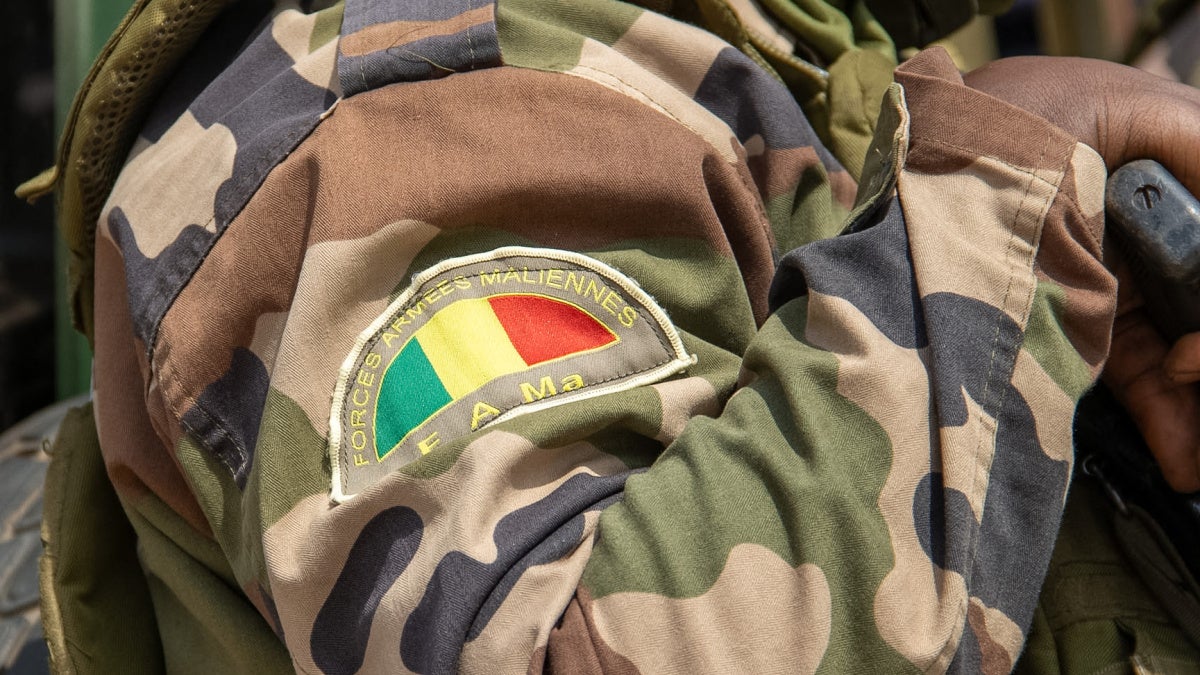
In the heart of Mali, a new wave of violence has left at least 31 civilians dead, with reports pointing to the involvement of the Malian army and allied militias. The attacks, which occurred on October 2 and 13, targeted two villages in the Ségou region—a hotspot for ongoing conflicts.
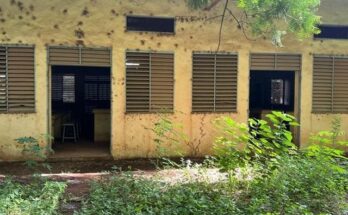
On October 2, soldiers and dozos, a militia predominantly composed of individuals from the Bambara ethnic group, launched a raid in Kamona. Witnesses reported that at least 21 men were executed, and at least 10 homes were set ablaze. The village, located in an area under the control of the Group for the Support of Islam and Muslims (GSIM), had been alerted to the army’s advance by GSIM fighters, prompting many residents to flee. Those unable to escape were gathered and killed, according to survivors.
The next attack, on October 13, struck the village of Balle, roughly 55 kilometers away. Soldiers and dozos killed nine men and one woman, also accused of collaborating with the GSIM. The victims, aged between 22 and 67, were found with severe injuries, including broken limbs and gunshot wounds to the head and torso. The attackers also stole over 100 cattle from the villagers.
The Malian army has yet to respond publicly to these allegations. However, a statement from the Chief of Staff of the Malian Armed Forces on October 14 claimed that a military operation near Balle had resulted in the “neutralization” of around twenty terrorists and the seizure of weapons. Locals, however, dispute this account, insisting that Balle has been under GSIM control for years, with no military presence until the attack.
International law violations and lack of accountability
These incidents are part of a disturbing pattern of violence in central Mali, where both state forces and armed groups have been accused of grave human rights abuses. Since 2012, the conflict has claimed thousands of civilian lives and displaced over 400,000 people. The GSIM’s recent siege on Bamako, the capital, has further exacerbated the crisis, cutting off fuel supplies and forcing the temporary closure of schools and universities.
Under international humanitarian law, all parties involved in the conflict are prohibited from targeting civilians, executing detainees, or committing acts of cruelty. Despite Mali’s withdrawal from the International Criminal Court (ICC) in September 2025, the country remains bound by the Rome Statute until September 2026. The ICC has been investigating alleged war crimes in Mali since 2013.
Calls for justice and regional action
Human rights advocates are urging Malian authorities to conduct thorough and impartial investigations into the October massacres. They also emphasize the need for accountability, stressing that those responsible must face fair trials. The African Union (AU), despite its mandate to promote peace and security, has so far failed to take decisive action beyond issuing statements of concern.
As the violence in central Mali escalates, the international community continues to monitor the situation closely, demanding urgent measures to protect civilians and bring perpetrators to justice.