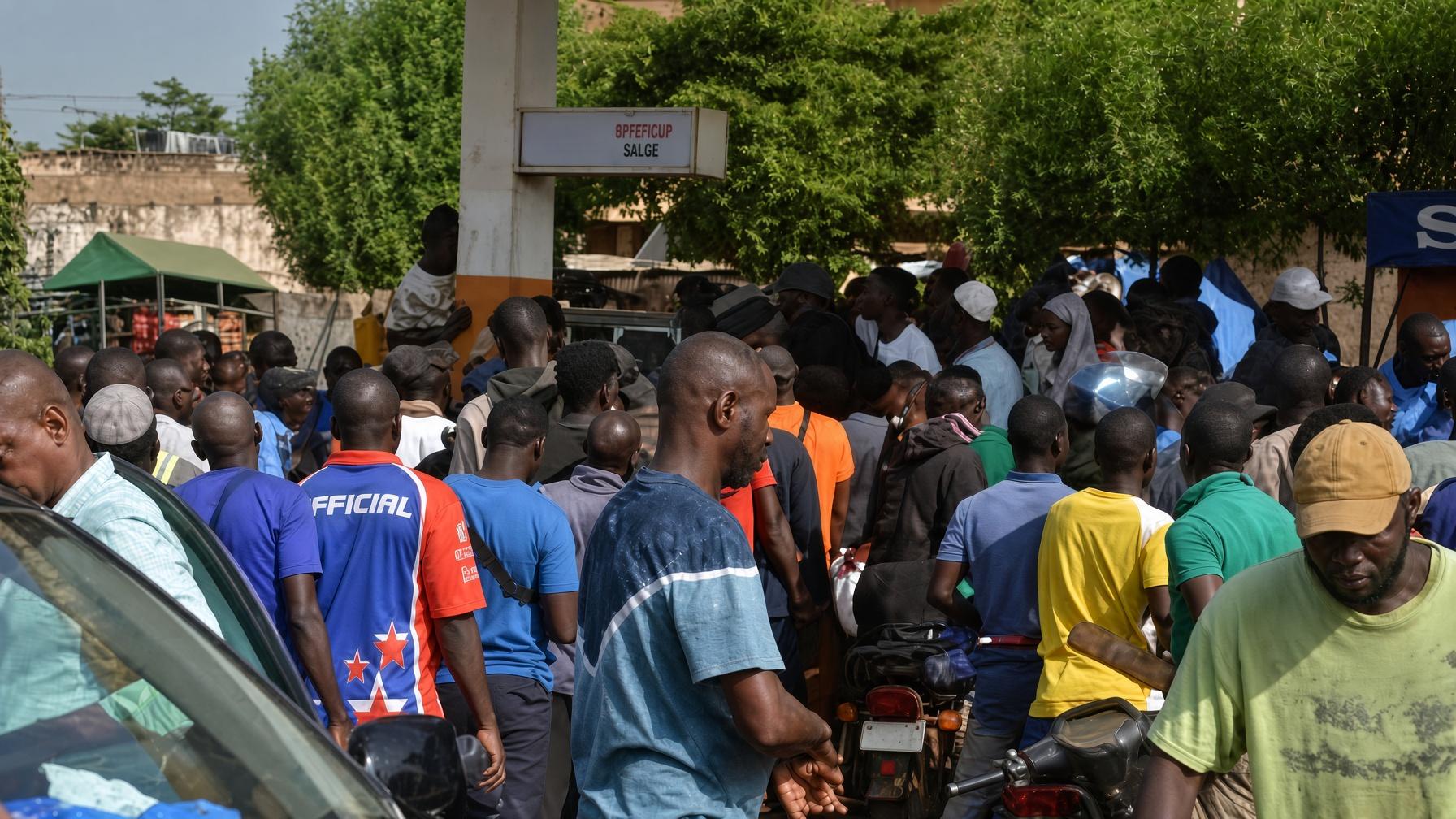
Niger’s government has rolled out sweeping new measures to tackle a worsening fuel shortage gripping the nation. As of October 19, 2026, a joint decree from the Ministry of Interior, Ministry of Petroleum, and Ministry of Trade mandates the overnight closure of fuel stations nationwide and bans the sale of fuel in containers. Authorities frame these steps as emergency measures to improve supply chain efficiency, yet the crackdown exposes deeper failures in the country’s fuel distribution system.
No overnight relief: how curfews squeeze Niger’s drivers
Under the new rules, most fuel stations must close between 9:00 PM and 6:00 AM to allow tanker trucks from the Nigerien Petroleum Company (SONIDEP) to refill underground tanks without disruption. While the government insists this will streamline logistics, the reality threatens to backfire. By narrowing access to fuel pumps during peak demand, the curfew is expected to trigger massive daytime congestion, with motorists queuing for hours under extreme heat.
Although authorities promise to designate emergency fuel stations in every municipality, the specifics of this plan—including how stations will be selected, resourced, and staffed—remain vague. Drivers already struggling with erratic supply now face an even steeper challenge: fitting fuel stops into a shrinking window of availability.
Zero tolerance for informal sales: who really benefits?
The crackdown extends beyond station closures, targeting informal fuel vendors who sell gasoline from drums or containers. The government frames the ban as a strike against “artificial scarcity” and profiteering, arguing that unregulated vendors distort the market and magnify shortages.
Yet this approach ignores the role informal vendors play in filling the gaps left by an unreliable official supply network. In many towns, street-side fuel sales are the only consistent source of gasoline for small businesses, taxi drivers, and rural communities. By deploying security forces to enforce the ban, the state shifts the burden of the crisis onto consumers and petty traders, rather than addressing the root cause of logistical breakdowns.
Is repression masking a deeper supply failure?
The emergency plan was developed in consultation with SONIDEP, Niamey’s local administration, and regional authorities. Officials present these measures as a temporary, rational response—calling on citizens to demonstrate “civic responsibility” and “discipline.” But without major reforms to the national fuel logistics system and concrete guarantees on stock increases across the country, the restrictions risk becoming a daily ordeal for Nigerien motorists.
Rather than curbing speculation, the crackdown may simply drive it underground, pushing frustrated drivers toward the black market in greater numbers. With no fundamental improvement in sight, the government’s tough stance risks prolonging, rather than resolving, the fuel crisis.