Civilian massacres in Mali’s Ségou region spark international concern
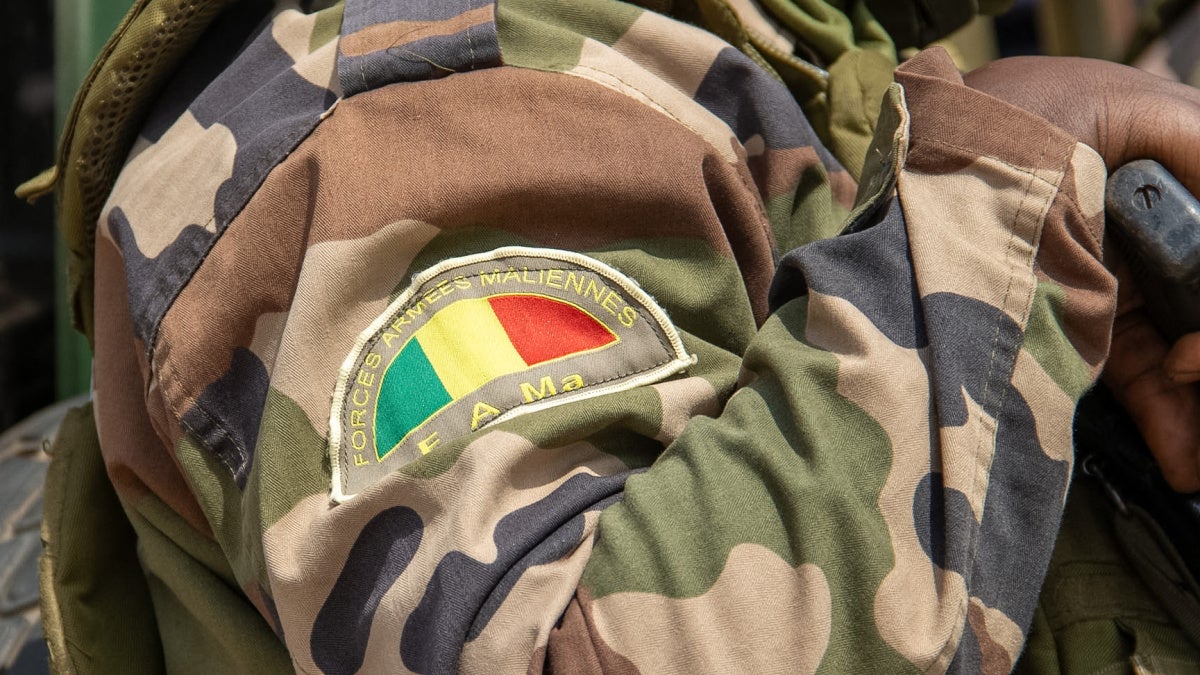
NAIROBI — In Mali’s central Ségou region, a wave of violence has left at least 31 civilians dead and entire villages burned to the ground. According to local testimonies, the attacks were carried out by the Malian Armed Forces alongside allied militias, including the Dozos, a predominantly Bambara ethnic group involved in counterinsurgency operations for over a decade.
Villages targeted in coordinated assaults
On October 2, soldiers and Dozos militants stormed the village of Kamona, killing at least 21 men and torching more than 10 homes. Witnesses reported that the Malian Armed Forces arrived in at least seven pickup trucks and three armored vehicles, accompanied by Dozos fighters on motorcycles. Survivors recounted that those who could not flee were rounded up and executed. The attack followed an alert from the Group for the Support of Islam and Muslims (GSIM), an Al-Qaeda-affiliated jihadist faction that controls the area.
« Those who failed to escape were gathered and shot, » a survivor told investigators. The soldiers and Dozos militants did not encounter any resistance, as GSIM fighters had already withdrawn from the village before their arrival.
In a separate incident on October 13, soldiers and Dozos militants descended upon the village of Balle, located about 55 kilometers from Kamona. In this attack, nine men and one woman were killed, and over 100 cattle were stolen. Survivors described a brutal scene: « They went door-to-door, beating and kicking men before executing them in the streets. »
Grave violations of international humanitarian law
Human rights investigators documented the aftermath of the Kamona massacre, where 17 bodies were found under a tree and four others were discovered north of the village. A 40-year-old shepherd, who had hidden in an abandoned house with his 9-year-old daughter, described the horrific scene: « The bodies were riddled with bullets. One man’s head was completely crushed. I saw spent bullet casings scattered everywhere. »
In Balle, witnesses found 10 bodies lying in the village center, some with broken limbs. A 33-year-old man recounted: « They were strewn one next to the other, shot in cold blood. » The victim’s 21-year-old daughter, whose mother was among the dead, revealed that her mother had confronted the soldiers, accusing them of mistreatment before being executed.
Residents of Balle have lived under GSIM control for years, paying zakat (Islamic tax) and resolving disputes through the group’s courts. « There are no soldiers, gendarmes, or police here, » a villager explained. « The army assumes we are all GSIM fighters because we live under their rule. They make no distinction between us and them. »
Calls for accountability and urgent action
International observers have condemned the attacks, emphasizing that all parties in the conflict must adhere to international humanitarian law. The massacres followed a series of GSIM offensives, including an attack on the Siribala sugar refinery in August, which cut off a critical fuel supply route to Bamako. In response, the Malian junta temporarily closed all schools and universities across the country.
Human rights advocates have urged the Malian authorities to conduct credible and impartial investigations into the killings and hold those responsible accountable. « The October massacres in Ségou are the latest in a series of atrocities attributed to the Malian Armed Forces and their allied militias, » a senior Sahel researcher stated. « Authorities must ensure justice is served through fair trials. »
The African Union (AU) has faced criticism for its limited response to the escalating conflict. Despite its mandate to promote peace and security, the AU’s Peace and Security Council has so far only issued statements expressing concern over the deteriorating situation. Analysts stress that the AU must prioritize the crisis, intensify diplomatic efforts, and coordinate regional and international actions to address abuses by all parties involved.