Civilian deaths and destruction reported in recent military operations
In a series of violent raids on two villages in central Mali’s Ségou region, military forces and allied militias are accused of killing at least 31 civilians and burning homes on October 2 and 13. The incidents unfolded in Kamona and Balle, areas under the influence of the Group for the Support of Islam and Muslims (GSIM), an Al-Qaeda-linked insurgent faction.
October 2 attack in Kamona leaves 21 dead
On the morning of October 2, Malian army units—accompanied by dozo militiamen—arrived in Kamona in seven pick-ups and three armored vehicles. The dozos, predominantly from the Bambara ethnic group, have been collaborating with state forces in counterinsurgency efforts for over a decade. Eyewitnesses reported that the army and militias conducted house-to-house searches, targeting adult men.
A local survivor recounted how soldiers and militiamen gathered unarmed civilians before executing them. “Those who could not flee were captured and killed,” the survivor stated. At least 10 homes were set ablaze, and 17 bodies were later discovered under a tree. Four additional victims were found north of the village, their bodies riddled with bullets. All 21 confirmed fatalities were men aged 20 to 65. Residents believe up to 15 more men may have been killed in nearby bushland, though fear prevented verification.
Village leaders provided a list of the dead, all ethnic Fulani. “The soldiers showed no mercy,” one elder said. “They burned our huts and granaries before leaving.”
October 13 raid in Balle claims 10 more lives
Thirteen days later, a similar operation unfolded in Balle, another GSIM-controlled village. Soldiers in five pick-ups and dozo fighters on at least 30 motorcycles stormed the settlement around 1 p.m. Some residents fled immediately, while others were subjected to beatings and harassment by troops.
“I watched from hiding as soldiers kicked and slapped men,” a 24-year-old man recalled. “Then I heard gunshots.” Ten civilians—nine men and one woman—were killed in the attack. Their bodies were found strewn across the village, some with broken limbs. The attackers also stole over 100 cattle, vital to the community’s survival.One survivor described finding the bodies of his neighbors: “They lay side by side, shot in the head and chest. One woman had been pleading with the soldiers before they executed her.”
Military denies targeting civilians
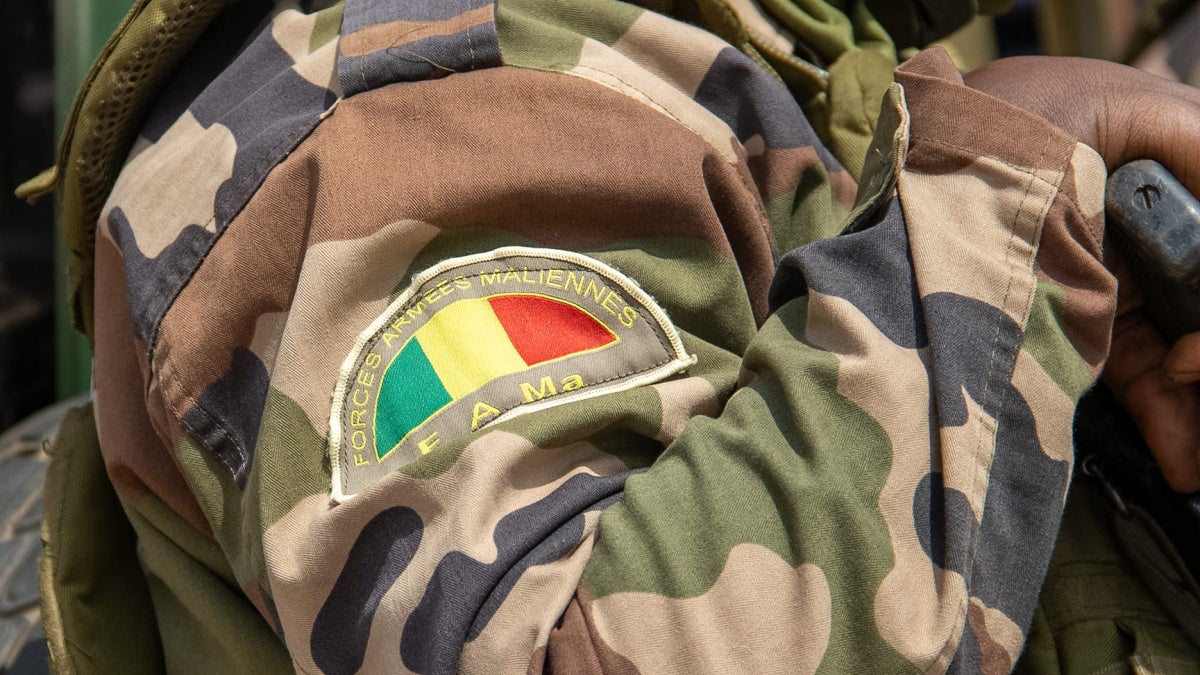
The Malian Armed Forces (FAMA) issued a statement claiming their October 13 operation near Balle was an “offensive reconnaissance” that “neutralized around twenty terrorists” and seized weapons. However, residents disputed this account, insisting the village had been under GSIM control for years and that locals paid Islamic taxes to the group.
“The army doesn’t distinguish between us and the fighters,” a local man explained. “We have no government presence here—no soldiers, police, or gendarmes. How can they justify killing us?”
Escalating violence amid regional instability
The attacks followed a surge in GSIM operations, including a devastating assault on a sugar factory in Siribala in August. These offensives have crippled supply routes to Bamako, prompting the junta to suspend education nationwide. Since 2012, Mali’s conflicts have displaced over 400,000 people and left thousands dead.
International humanitarian law prohibits attacks on civilians, extrajudicial killings, and torture. Those responsible for war crimes—whether acting under direct orders or through command responsibility—can face prosecution. Though Mali withdrew from the International Criminal Court (ICC) in 2025, it remains bound by the Rome Statute until September 2026. The ICC opened an investigation into alleged war crimes in Mali in 2013.
The African Union has yet to take decisive action despite escalating violence. Analysts urge the AU Peace and Security Council to prioritize accountability, increase diplomatic pressure, and coordinate regional efforts to curb abuses by all parties.