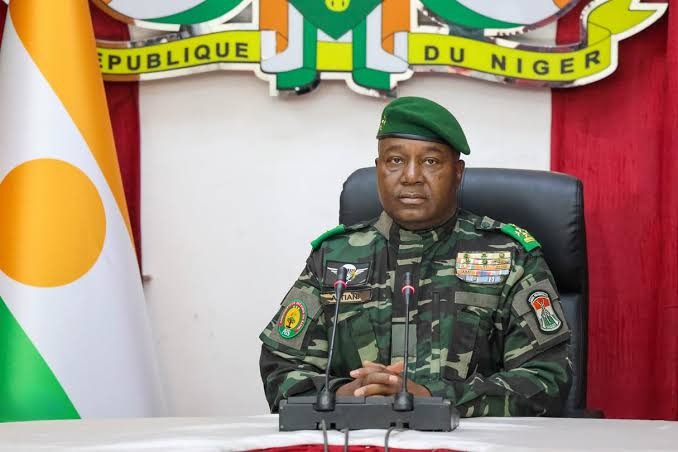
When the National Council for the Safeguard of the Homeland (CNSP) seized power in Niger on July 26, 2023, it cited worsening insecurity, mismanagement, and a loss of sovereignty under then-President Mohamed Bazoum as justification. Over three years later, the situation on the ground tells a far different story. The military regime has not only failed to correct the issues it condemned—it has intensified them, leaving Niger in a deeper crisis than before the coup.
From promises of independence to new dependencies
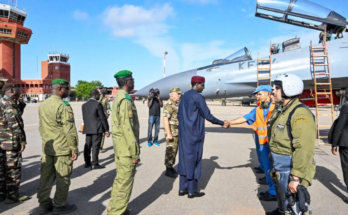
The removal of French and American troops was framed as a cornerstone of the junta’s sovereignty drive. Yet, instead of reclaiming control, Niamey has forged opaque partnerships with new regional players. The presence of Russian contractors and the recent deployment of Algerian forces to Madama, over 200 kilometers into Nigerien territory, raise serious questions about the government’s decision-making process.
These agreements were made without parliamentary scrutiny or public consultation, undermining the very sovereignty the CNSP claimed to restore. What was once condemned as subservience to foreign powers now appears to be a surrender to new outside influences—without transparency or accountability.
Security collapse despite bold military claims
The junta’s core justification for the coup was the need to tackle spiraling violence. However, armed groups such as EIGS and JNIM continue to dominate large swathes of territory. In Diffa, Maradi, Tahoua, and Tillabéri, entire regions remain paralyzed, with schools and hospitals frequently shut due to ongoing threats.
Repeated airstrikes and official military updates have done little to restore stability. Instead, the regime’s security strategy has left civilians more vulnerable than before, with no clear path to reversing the insurgency’s momentum.
Economic stagnation and abandoned development promises
The CNSP promised economic renewal, yet key infrastructure projects lie mired in delay. The Kafra oil permit has stalled, and debates over the Trans-Saharan Gas Pipeline underscore persistent hesitation. Meanwhile, ordinary Nigeriens face rising unemployment and economic hardship, with little relief in sight.
The junta’s rhetoric of self-sufficiency now rings hollow. Instead of breaking free from past failures, the military government has doubled down on policies that deepen dependency—both economically and militarily.
The silence of once-vocal supporters
Early in the transition, many civil society groups and pro-junta figures enthusiastically backed the coup. Yet as the regime tightens its grip, criticism is increasingly met with repression. Opposition voices are sidelined, and public debate is stifled—a stark contrast to the outcry that followed similar actions under Bazoum’s administration.
By wrapping its rule in the language of patriotism, the military government has created a paradox: the more it claims to defend Niger, the more it erodes the nation’s stability and the trust of its people.
Three years after the coup, the promises of change have given way to a harsh reality. Niger’s people remain trapped in a cycle of insecurity, economic decline, and unfulfilled governance, with no clear end in sight.