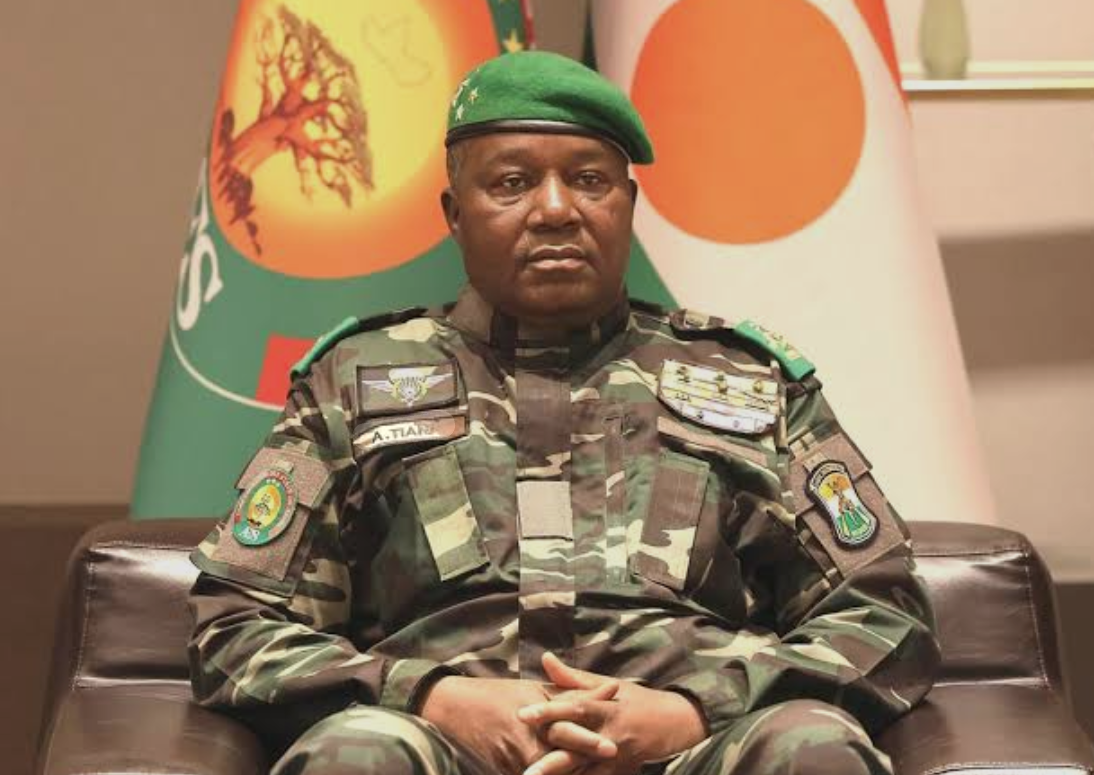
Niger’s military leadership has taken an unprecedented step in its relentless consolidation of power. Just days after dismantling key military command structures, General Abdourahamane Tiani has abruptly dismissed four cabinet ministers. This latest purge follows the failed coup attempt spanning the night of August 28 to 29, revealing a regime paralyzed by self-preservation rather than addressing the nation’s spiraling security crisis.
Ministerial shakeup reveals junta’s growing desperation
The abrupt removals target critical portfolios: Agriculture, Land Reform, Energy and Communications. These sectors directly impact economic stability and information control—two areas the military leadership appears desperate to secure. The dismissals, executed via presidential decree, signal Tiani’s attempt to tighten his grip on governance despite mounting internal fractures.
The timing of this purge underscores the junta’s fragile hold on power. The failed August coup served as a stark reminder that military juntas face the same existential threats they once exploited to seize control. Having toppled President Mohamed Bazoum in July 2023 through armed force, Tiani now confronts the irony of his own vulnerability to internal betrayal and power struggles.
Security vacuum worsens as leadership prioritizes survival over governance
The military’s preoccupation with maintaining authority has come at a devastating cost to Nigerien citizens. Since the junta’s ascension, the nation has witnessed:
- A sharp escalation in terrorist violence within border regions, with coordinated attacks by Al-Qaeda and ISIS-affiliated groups increasing civilian and military casualties.
- The collapse of strategic security partnerships following the abrupt termination of foreign military cooperation, leaving vast territories exposed to militant incursions.
- A humanitarian and economic emergency, with sanctions and instability crippling local economies and pushing millions into extreme poverty.
Paranoia-driven governance fails to address root crises
Tiani’s pattern of replacing officials rather than reforming systems reveals a leadership trapped in perpetual damage control. Each ministerial turnover, each reshuffle, does nothing to address the fundamental challenges facing Niger. Instead of presenting a credible path forward, the junta continues to rely on fear-based policies: press censorship, abrupt leadership changes and an unrelenting purge of perceived threats.
This strategy of governance by repression has only deepened the country’s isolation. International partners have grown increasingly wary of engaging with a regime that prioritizes self-preservation over stability. Domestically, discontent simmers as citizens bear the brunt of collapsing security, eroded institutions and a leadership incapable of delivering on its initial promises of improvement.
Failed coup exposes systemic fractures within Niger’s military elite
The August coup attempt was not an isolated incident but a symptom of deep divisions within Niger’s military leadership. As Tiani reshuffles ministries and replaces officials with loyalists, he inadvertently highlights the regime’s inability to command loyalty or control. The very institutions he sought to dominate now appear to be slipping from his grasp, with power struggles intensifying behind closed doors.
For a regime that once promised security and stability, this latest purge does nothing to restore confidence. Instead, it exposes a leadership struggling to reconcile its authoritarian instincts with the realities of a nation demanding progress and security. The people of Niger continue to pay the heaviest price as their country spirals into deeper instability under a leadership more concerned with survival than service.