Three years after the Niger military authorities forged closer ties with Russia following the July 2023 coup, the security situation in the country has continued to deteriorate rather than improve. Despite the stated objective of restoring stability, coordinated jihadist attacks have intensified, inflicting heavy losses on national defense and security forces.
In one of the deadliest incidents recorded in recent years, coordinated assaults on multiple military outposts over a three-day period resulted in the deaths of at least 265 Nigerien soldiers. The scale of these attacks underscores the formidable challenge confronting the country’s armed forces.
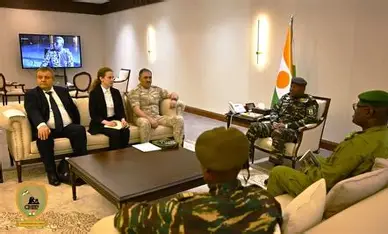
The shift in military partnerships—marked by the arrival of Russian instructors and the gradual withdrawal of Western allies—has yet to yield tangible improvements in security. On the contrary, independent security assessments reveal a marked escalation in violence since 2023, with civilian casualties reaching unprecedented levels.
Data reveals alarming trends in violence
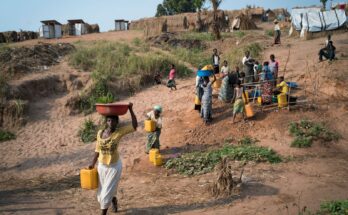
According to conflict tracking data, approximately 225 attacks were recorded in Niger in 2023, a figure comparable to the previous year but accompanied by a 27% increase in fatalities. This upward trend persisted, culminating in 2025, when civilian deaths surged to over 700—more than double the toll documented in 2023, as reported in a 2026 security review.
Regional hotspots remain under jihadist control
Despite assurances from military leadership to reclaim territory, the Tillabéri, Tahoua, and border regions with Mali and Burkina Faso remain persistent flashpoints for insurgent activity. These areas are predominantly targeted by Islamist factions linked to the Islamic State and the Group for the Support of Islam and Muslims (JNIM).
Major incidents include the loss of over 60 soldiers in an attack on Tabatol in October 2023, the ambush in Tillabéri that claimed 23 military lives in March 2024, and a series of deadly raids targeting convoys, villages, and military installations. These recurring assaults have sparked growing skepticism about the effectiveness of Niger’s revised security strategy.
As the jihadist threat persists unabated three years after the strategic realignment, the resilience of the country’s armed forces continues to be tested.