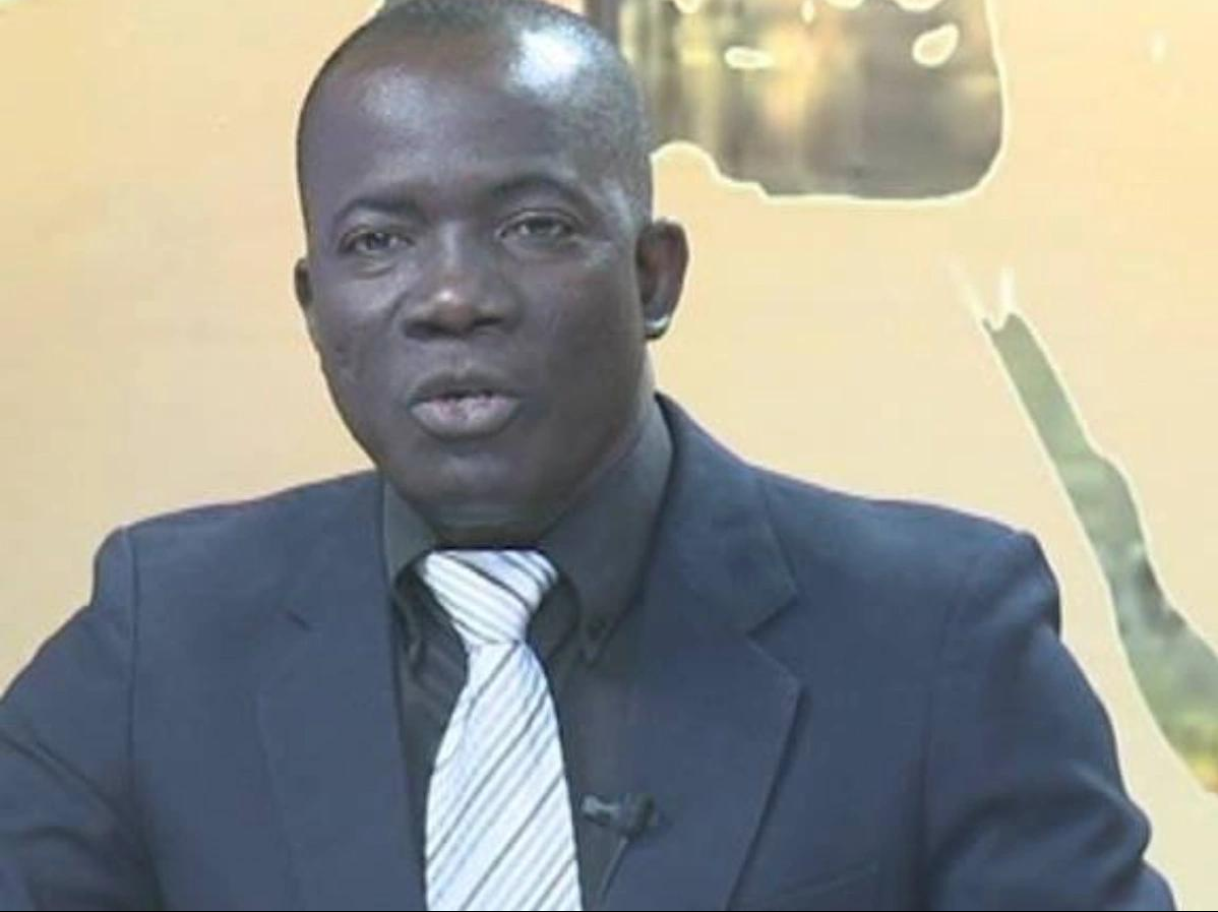
The journalist Serge Mathurin Adou, detained for over two years on charges of ‘undermining state security,’ walked free on November 11, 2026. While his release brings relief to his family and colleagues, it arrives amid deepening concerns over shrinking media freedoms in Niger following the 2023 military takeover led by General Abdourahamane Tiani.
From arrest to freedom: the timeline of a controversial case
Serge Mathurin Adou, a Nigerien-Ivorian journalist who worked for the private channel Canal 3 Niger, vanished on September 1, 2024, after reporting to a police summons in Niamey. His prolonged disappearance sparked immediate alarm among rights groups and media organizations. Weeks later, Burkinabè security minister Mahamadou Sana publicly named Adou as one of fifteen individuals allegedly involved in a plot to destabilize Burkina Faso’s government under Captain Ibrahim Traoré.
Nigerien authorities responded swiftly. On November 11, 2024, Adou was formally charged with ‘undermining state security,’ and a year later, on November 21, 2025, a Niamey court sentenced him to two years in prison—a sentence far lighter than the twenty years prosecutors had sought. His eventual release this month marks the end of a prolonged legal ordeal but leaves critical questions unanswered about judicial fairness and media protection in high-stakes security cases.
Press freedom in Niger: a steep decline
The crackdown on journalists since General Tiani’s July 26, 2023 coup has escalated sharply. Independent watchdogs report increased censorship, arbitrary detentions, and self-censorship among media professionals fearing reprisals for covering sensitive topics.
Cases such as those of Samira Sabou, Ousmane Toudou, and Soumana Maïga have become emblematic of the hostile climate facing reporters. These arrests, combined with regulatory actions like the January 2024 suspension of the Maison de la presse and bans on international outlets such as RFI and France 24, further underscore the government’s tightening control over public discourse.
Global ranking reflects worsening conditions
Reporters Without Borders’ 2026 World Press Freedom Index underscores the severity of the situation. Niger plummeted from 83rd place in 2025 to 120th out of 180 countries in 2026—a drop of 37 positions in a single year. The organization directly links this decline to the 2023 coup, citing increased economic hardships for media outlets and intensified pressure on journalists reporting on governance and security.
This slide is not merely a statistical concern. It signals a broader erosion of civil liberties, raising serious questions about the future of independent journalism in Niger and the public’s right to access diverse and reliable information.
One release does not restore press freedom
Adou’s freedom is a personal victory, but it does not signal a broader thaw in Niger’s media landscape. Many journalists remain behind bars, others face ongoing harassment, and numerous outlets operate under restrictive conditions. The culture of fear is palpable: sources are drying up, sensitive stories go unreported, and editorial boards increasingly prioritize self-preservation over journalistic integrity.
Security imperatives cannot justify the systematic curtailment of press freedoms. The state’s duty to protect its citizens must align with its obligation to uphold fundamental rights—especially the right to inform and be informed.
What comes next for journalists in Niger?
As the nation grapples with internal instability and regional tensions in the Sahel, the stakes for a free and vibrant press have never been higher. The release of Serge Mathurin Adou offers a fleeting moment of hope, but the road ahead remains fraught with challenges. For a profession under siege, true liberation will require more than one acquittal.