Diplomatic confrontation over military cooperation
The summoning of the European Union’s chargé d’affaires in Niamey following critical remarks by Brussels about Algerian troops on Nigerien soil has reignited a fierce debate about the limits of sovereignty and diplomatic free speech. While Niger holds full authority over its security partnerships, the EU retains the right to raise concerns about developments with potential regional consequences.
Ali Mahamane Lamine Zeine, Niger’s transitional prime minister, took decisive action on November 9 by requesting the EU representative to appear at the prime minister’s office. The move was prompted by statements from the EU spokesperson deemed condescending and unacceptable. Brussels had publicly questioned the deployment of Algerian military personnel on Nigerien territory, demanding clarifications on its purpose, legal framework, and operational scope.
Has the EU crossed a sovereignty line?
Niger’s government argues that the EU’s inquiry represents an overreach into sovereign affairs. Yet under international law, such expressions of concern do not constitute interference unless they involve coercive measures to override a nation’s decision-making authority. The EU has neither veto power nor authority to approve bilateral military agreements between sovereign states.
The core issue is not whether the EU can speak, but how its remarks are framed. Sovereign nations retain the freedom to act independently, yet their choices remain subject to scrutiny in the international arena. International law permits concerns to be voiced when geopolitical developments may impact regional stability—though the wording and tone can determine whether such statements are perceived as constructive or intrusive.
Why EU concerns about Algerian troop presence are not baseless
Nestled in the heart of the Sahel, Niger faces persistent security threats: cross-border militant movements, weakened regional cooperation mechanisms, and the risk of insecurity spilling across borders. Any military arrangement involving neighboring states—especially one as strategically sensitive as Algeria—warrants external scrutiny.
Key questions raised by the EU include:
- What is the exact mission of the Algerian troops?
- Where is their operational perimeter?
- What is the duration of their deployment?
- Who commands the operation, and under what legal authority?
- How will this initiative interact with existing security frameworks in the Sahel?
These are not attempts to dictate policy, but legitimate inquiries aimed at understanding potential impacts on regional stability and compliance with international law. Since the Sahel’s security challenges transcend national borders, external actors with stakes in the region—like the EU—have a vested interest in transparency.
When criticism becomes diplomacy—and when it doesn’t
While Niger is justified in defending its sovereignty, it must also acknowledge that diplomatic dialogue operates in both directions. The EU’s concerns, though unwelcome, are not inherently illegitimate. However, the phrasing and delivery of such statements can escalate tensions rather than foster dialogue.
The summoning of the EU envoy sends a clear message: Niger rejects perceived tutelage. But it also risks overshadowing the substance of the concerns raised. A more productive approach would involve structured discussions where both sides clarify their positions without resorting to procedural confrontations.
The path forward: sovereignty and dialogue in balance
This diplomatic episode underscores a crucial principle: sovereignty does not shield policy choices from scrutiny, and free speech does not equate to controlling power.
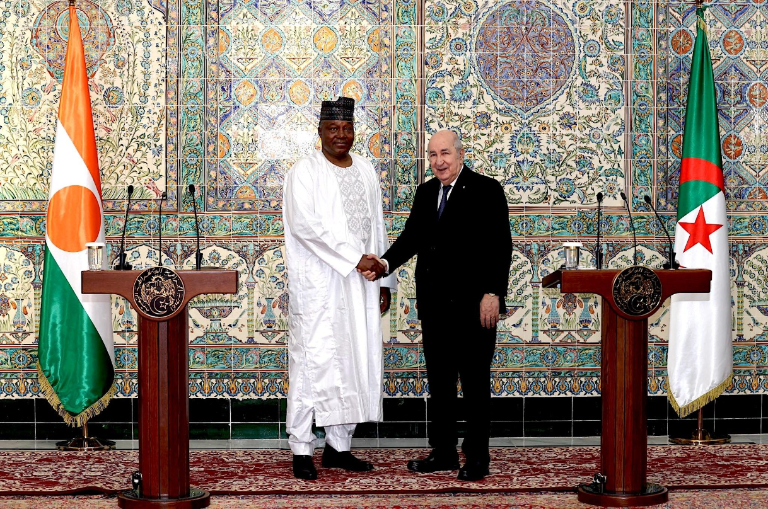
Niger and Algeria remain free to define their military cooperation within the bounds of international law. The EU, in turn, may express its analysis of regional security dynamics—especially when developments in the Sahel could reshape stability far beyond two national territories.
The challenge now is to shift from confrontation to collaboration. Niamey can assert its autonomy without dismissing all external questions as illegitimate interference. Brussels can voice its concerns without implying oversight over African decisions.
Only in mutual respect—not in the escalation of statements—can a balanced and sustainable diplomatic framework emerge.