
The state visit of Gabon’s transitional leader, Brice Clotaire Oligui Nguema, to Paris on July 20, 2026, unfolded under the watchful eye of international observers. Marked by opulence and diplomatic compromise, the three-day program showcased both the enduring ties and the evolving power dynamics between Gabon and France.
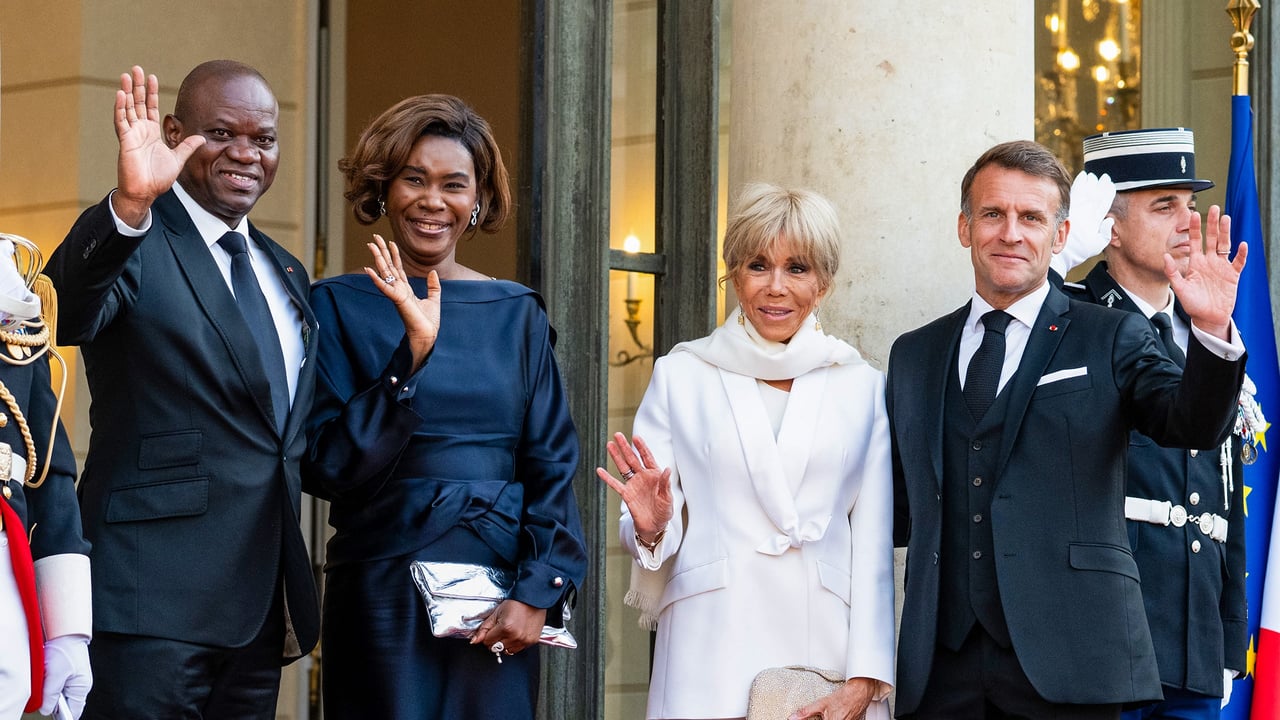
The arrival of the Gabonese delegation at the Élysée Palace was the day’s most anticipated moment. As Emmanuel Macron and his wife, Brigitte Macron, stood ready to welcome their guests, the optics of the encounter spoke volumes. The carefully orchestrated ceremony—complete with military honors and a state dinner—sent a clear message: despite recent political shifts in Libreville, France remains a key partner for Gabon’s new leadership.
Diplomatic choreography: balancing symbolism and substance
The visit was not merely ceremonial. Behind the grandeur of the Élysée reception lay intense discussions focused on economic cooperation, security partnerships, and energy projects. Both sides used the occasion to reaffirm their commitment to mutual interests, even as Gabon’s new leadership seeks to diversify its alliances beyond its former colonial power.
Key topics on the agenda included defense agreements, trade investments, and Gabon’s role in regional stability. While France emphasized its long-standing influence, Oligui Nguema’s delegation pushed for fresh opportunities—particularly in mining and infrastructure development. The negotiations, though conducted in a spirit of cooperation, revealed the underlying tensions of a relationship in transition.
Public expectations vs. political realities
For the Gabonese public, the visit carried symbolic weight. Many citizens viewed it as a test of the new leadership’s ability to secure international backing while navigating domestic expectations. Meanwhile, French officials highlighted the visit as proof of Gabon’s continued importance in France’s African strategy, despite shifting geopolitical sands.
The state dinner, held under the gilded ceilings of the Élysée, was more than a diplomatic nicety. It was a carefully calibrated display of unity—a visual statement that, for now, Gabon and France remain aligned on critical issues. Yet beneath the surface, questions lingered about the long-term sustainability of this partnership in an era of rising African assertiveness.
As the visit concluded, one thing was evident: the future of Gabon-France relations will be shaped not just by grand gestures, but by the quiet compromises forged in rooms far removed from the spotlight.