Russia’s Africa Corps expands influence in the Sahel after Wagner’s decline
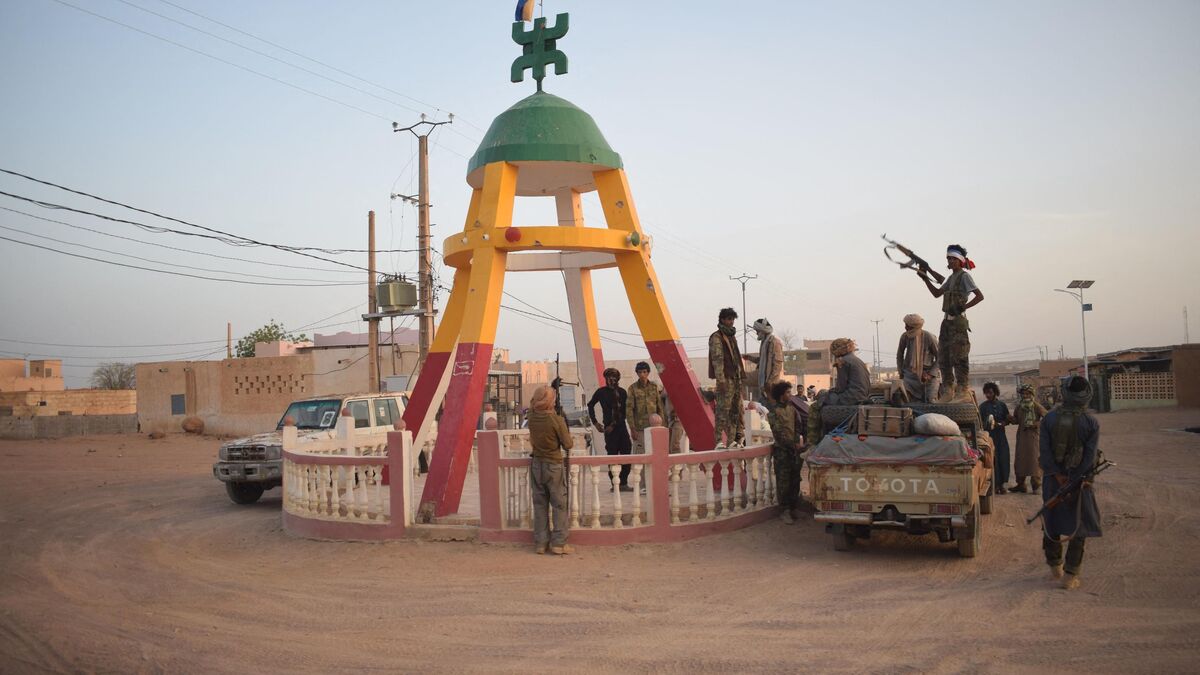
One of Russia’s most discreet military branches abroad, Africa Corps, has been forced to retreat from a key strategic position held for years in Mali. The move comes after a weekend of fierce clashes with rebel groups allied with Touareg separatists. Despite this setback, the paramilitary group remains a vital instrument for Moscow in the Sahel region.
Africa Corps, often described as a shadowy extension of Russian military operations, was formally established in late 2023. Its creation followed months of speculation about the future of Wagner Group, whose co-founders, including oligarch Evgueni Prigojine, perished in a suspicious plane crash in August 2023. The new paramilitary force quickly positioned itself as Moscow’s primary tool for maintaining influence across Africa.
The group’s emergence coincided with Wagner’s decline, a once-dominant force in Africa known for its aggressive tactics and alleged human rights abuses. Africa Corps, in contrast, presents itself as a more structured and centralized alternative, directly overseen by the Russian Ministry of Defense. Igor Korotchenko, a former colonel and Kremlin-linked military analyst, has been vocal about the group’s objectives, emphasizing its role in “conducting large-scale military operations to support countries seeking to break free from neocolonial dependence.”
Strategic objectives and regional reach
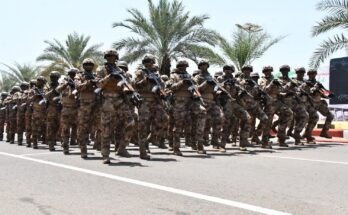
Africa Corps’ stated mission includes strengthening ties with allied governments by providing military personnel and equipment. The group has rapidly expanded its footprint beyond Mali, setting up operations in Burkina Faso, Libya, Sudan, the Central African Republic, and Niger. Unlike Wagner, which was frequently accused of brutal repression and war crimes, Africa Corps prioritizes collaboration with local authorities and avoids widespread public controversy.
In Mali, the group’s presence has been pivotal in supporting the junta in Bamako against Touareg rebels and other militant factions. The withdrawal from Kidal—a key stronghold—marks a rare setback, but analysts suggest it may be a tactical repositioning rather than a long-term retreat. Moscow’s long-term goal remains securing access to critical resources, including mineral deposits, and reinforcing its geopolitical influence in West Africa.
Controversies and international scrutiny
Despite its lower profile, Africa Corps has not escaped global condemnation. In 2024, the United Kingdom sanctioned the group for “widespread human rights violations” and accused it of exploiting natural resources for profit. The group’s name—a direct reference to the Afrika Korps, the Nazi-era military unit—has also drawn criticism, though Africa Corps dismisses the comparison as irrelevant.
As Africa Corps continues to reshape the security landscape in the Sahel, its role in regional conflicts remains a focal point for international observers. With Wagner’s legacy fading, the new Russian paramilitary force is poised to define Moscow’s future strategy in Africa.