Sonko cuts short parliamentary recess with emergency assembly meeting
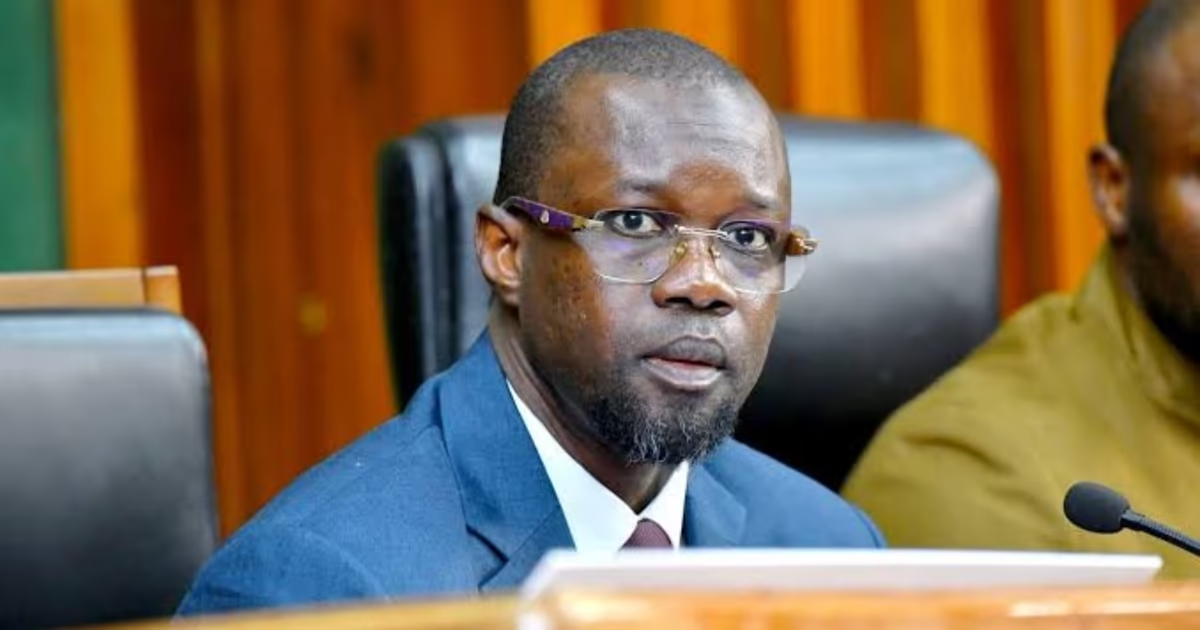
The National Assembly’s summer recess has been cut short by an unexpected turn of events. Assembly President Ousmane Sonko has called an urgent meeting of the bureau for this Friday at 3 p.m., following the constitutional council’s decision to invalidate constitutional reform bill no. 18/2026. The move raises immediate questions about the parliamentary majority’s next steps and the future of key reforms in Senegal.
An abrupt end to parliamentary recess
Just days after lawmakers adjourned for their annual summer break on June 30, Assembly President Ousmane Sonko has ordered their return. The emergency session, scheduled for Friday afternoon, comes in response to the constitutional council’s landmark decision to strike down bill no. 18/2026—a sweeping constitutional reform proposal that had sparked intense political debate.
The timing of this recall is highly unusual. Parliamentary recesses are typically respected, yet the urgency of the situation has compelled the Assembly’s leadership to reconvene the bureau immediately. This development signals that the constitutional ruling has created a significant shift in the parliamentary agenda, forcing lawmakers to reassess their priorities.
Constitutional ruling triggers urgent parliamentary response
Initially, Ousmane Sonko had responded to the constitutional council’s decision with measured institutional language, acknowledging that the ruling was binding. Yet behind the formal acknowledgment of the court’s authority, the decision to cut short the recess suggests deeper political calculations are at play. The move may indicate that the parliamentary majority is preparing to introduce alternative legislative strategies or revisit the reform process.
The invalidation of bill no. 18/2026 has created a legislative vacuum, and the Assembly’s leadership appears determined to act swiftly. The emergency meeting is likely intended to coordinate a response, whether through new legislative proposals or procedural adjustments to address the council’s objections.
What comes next for constitutional reform?
The coming days will reveal whether the parliamentary majority can regroup and advance its reform agenda. With the constitutional council’s decision firmly in place, lawmakers face a critical choice: abandon the reform entirely, propose a revised version that aligns with the council’s concerns, or pursue alternative constitutional changes through different legislative channels.
The urgency of Friday’s meeting underscores the high stakes involved. Senegal’s political landscape remains fluid, and the Assembly’s next moves could redefine the trajectory of constitutional reform in the country for years to come.