Chad
Tchad calls for united action against rising intercommunal violence
Chad’s Public Security Minister urges collective action to curb intercommunal conflicts, emphasizing a comprehensive approach and the involvement of all social actors.
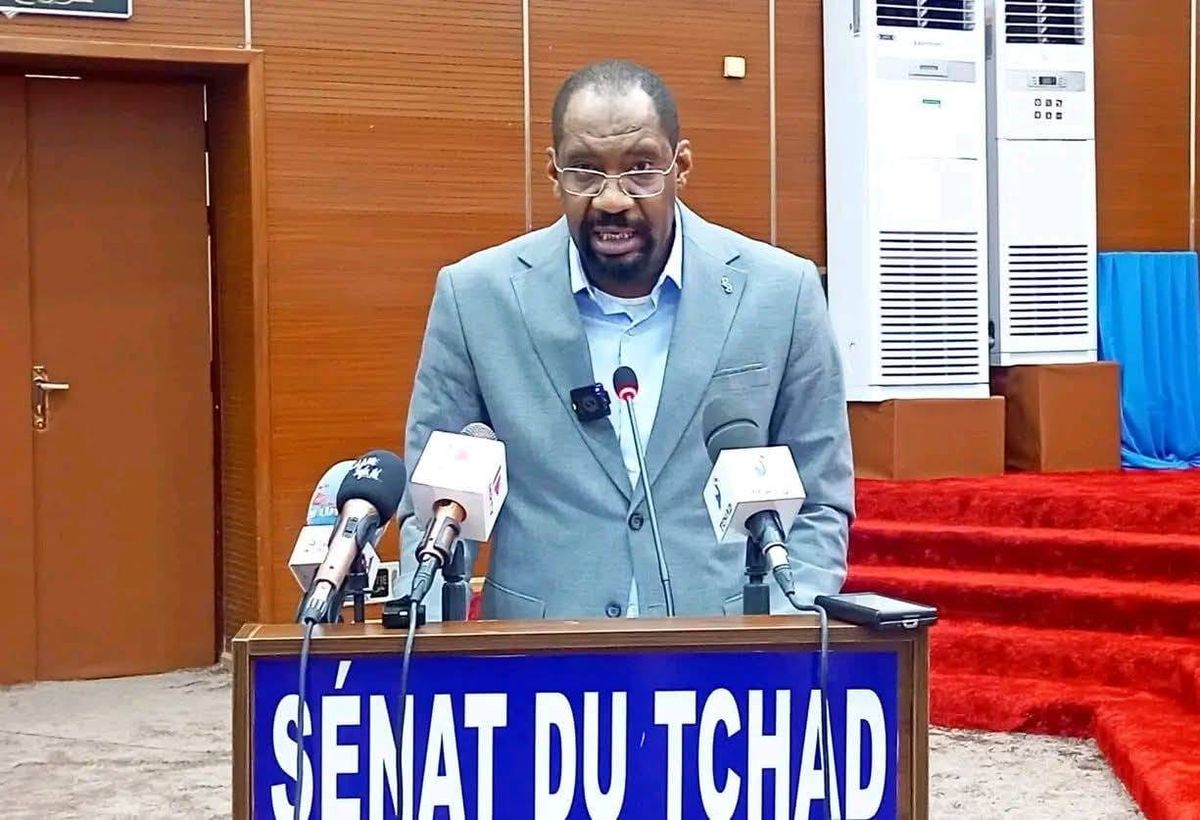
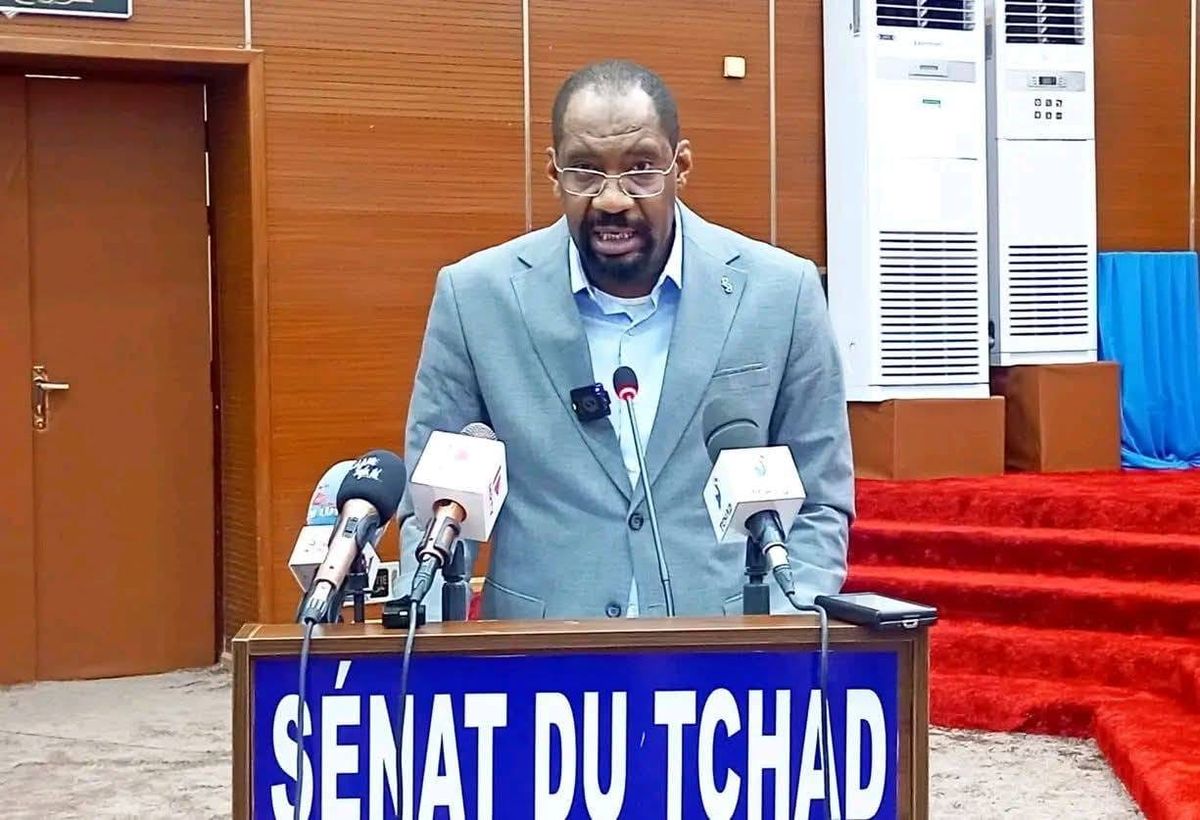
The President of Chad’s Senate, Dr. Haroun Kabadi, chaired a plenary session on Monday, June 1, 2026, dedicated to the nation’s pressing security challenges. Senators raised concerns about escalating intercommunal conflicts and the persistent threats to internal security, prompting detailed responses from the Minister of Public Security and Immigration, General Ali Ahmat Aghabache.
As lawmakers delved into the issues affecting rural and urban communities alike, they emphasized the critical need for stronger state presence in vulnerable regions, enhanced conflict prevention mechanisms, and improved operational readiness among national defense and security forces. The minister provided a candid assessment of the country’s security landscape, presenting data that underscores the human and material toll of intercommunal violence: between 2024 and 2025, such conflicts resulted in 318 fatalities and 3,015 injuries, alongside severe property damage across multiple communities.
General Aghabache highlighted how these figures reflect a deepening crisis, straining social cohesion, destabilizing local governance, and hindering national development efforts. In response, the government has launched a multi-pronged strategy to bolster public safety and prevent further escalation. Key initiatives include intensified patrols in high-risk zones, expanded mobility for security personnel through new motorcycle deployments, and the recruitment of 1,000 police officers and 1,000 gendarmes to reinforce nationwide security coverage.
The Minister reaffirmed the government’s commitment to fostering closer ties between security forces and communities, enhancing surveillance in sensitive areas, and ensuring rapid intervention at the first signs of tension. While acknowledging the valuable input from senators, he stressed that addressing intercommunal violence demands a holistic approach—one that combines security measures, community dialogue, local mediation, and public awareness campaigns. Lasting peace, he noted, cannot be achieved by security forces alone; it requires the active participation of all sectors of society, including traditional, religious, and administrative leaders.
The plenary session served as a vital platform for addressing Chad’s ongoing security challenges, while reinforcing the nation’s shared resolve to uphold peace, national unity, and citizen safety across every corner of the country.