The air in Togo is thick with growing unrest as November 20, 2026, approaches. Opposition leader Nathaniel Olympio has intensified calls for nationwide action, framing the upcoming Patriotic Warning Day as a turning point against what he describes as systemic failures under President Faure Gnassingbé.
From economic hardship to political defiance
Olympio’s campaign zeroes in on four interlocking grievances: soaring living costs, chronic power cuts, entrenched social injustice, and constitutional manipulation. The convergence of these issues has pushed frustration to a boiling point across Togo’s cities and towns.
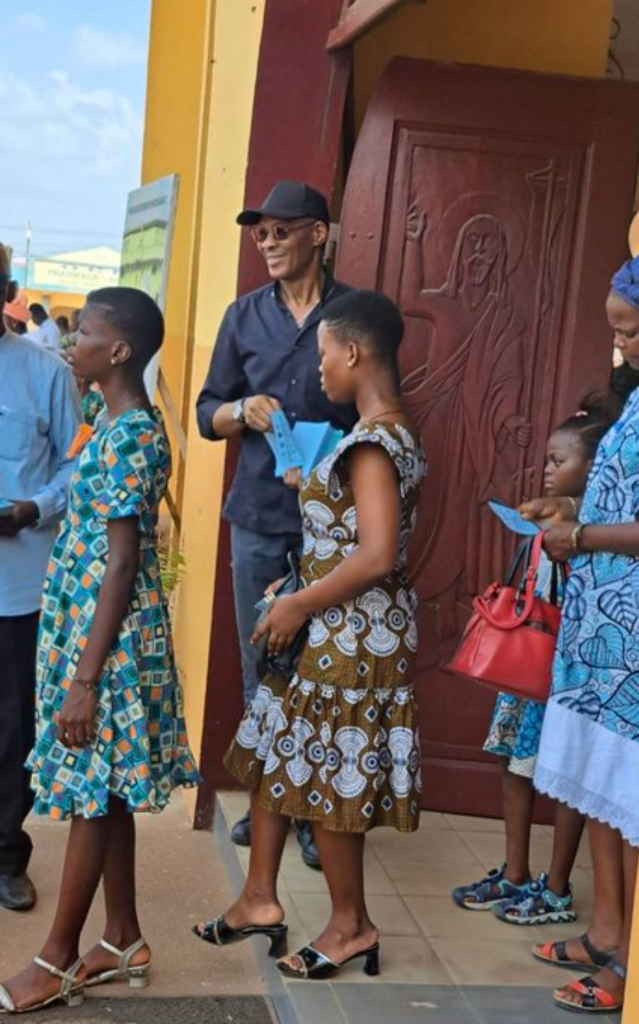
The campaign took a visible form on November 8, 2026, when activists distributed flyers at church exits, signaling the start of a broader mobilization. This grassroots push is led by the Togo Generational Manifesto, a coalition that seeks to channel public anger into a unified political statement.
Skyrocketing prices spark household crises
At the forefront of the uprising is the cost-of-living crisis, which has left families struggling to keep up with basic expenses. Essential goods have become unaffordable for many, with price hikes outpacing wage growth for workers, small traders, and low-income households. Olympio condemns what he calls the government’s “failure to protect vulnerable citizens” from economic collapse.
The opposition argues that these hardships are not accidental—they reflect deep flaws in economic policy, from agricultural support to pricing controls. Without urgent intervention, they warn, the divide between citizens and their leaders will only widen.
Electricity blackouts illuminate governance failures
Power cuts have become a daily ordeal for Togolese families and businesses. Beyond the inconvenience, routine blackouts cripple local enterprises, disrupt education, and erode trust in public utilities. The Togo Generational Manifesto has singled out the Togo Electric Energy Company (CEET) for mismanagement, calling for transparent reforms and accountability in the power sector.
Critics argue that the energy crisis is not merely technical—it’s a symptom of systemic neglect. Frequent outages have fueled a growing perception that the government cannot deliver basic services, further straining its legitimacy.
Social injustice and institutional drift under scrutiny
Olympio’s critique extends beyond economics. He denounces what he identifies as systemic injustice, including the detention of political prisoners, the suppression of dissent, and the exclusion of exiled figures from national discourse. These issues, he asserts, stem from an erosion of democratic principles and a refusal to address citizen demands.
The opposition coalition is demanding the release of detained activists, the safe return of exiles, and a full review of governance practices to restore public confidence. While these calls remain politically charged, they resonate with a population increasingly skeptical of institutional integrity.
Constitutional reform fuels political showdown
The 2024 constitutional amendments are a major flashpoint in the unfolding crisis. Critics argue that the changes consolidated executive power, eliminated term limits, and sidelined checks and balances. For the opposition, these reforms were not about progress—they were about entrenching a single political dynasty.
Olympio and allies now demand a return to an inclusive constitutional framework, one that respects democratic alternation and protects civil liberties. This demand has turned the 2026 protest into a referendum on both policy failures and institutional overreach.
November 20 as a warning, January 2027 as the next step
The Patriotic Warning Day on November 20 is designed to send a clear message to the regime: public patience has run out. Organizers are urging citizens to stay home, boycott economic activities, and take to the streets to voice dissent. This act of defiance is framed as a preamble to a larger push for negotiation and reform in early 2027. The coalition hints at plans for inclusive national dialogues and a potential transition framework—steps they believe are necessary to break the cycle of unmet promises and escalating unrest. Whether the mobilization gains traction remains uncertain. What is clear is that Togo stands at a crossroads, with the 20th of November poised to shape the nation’s political future.