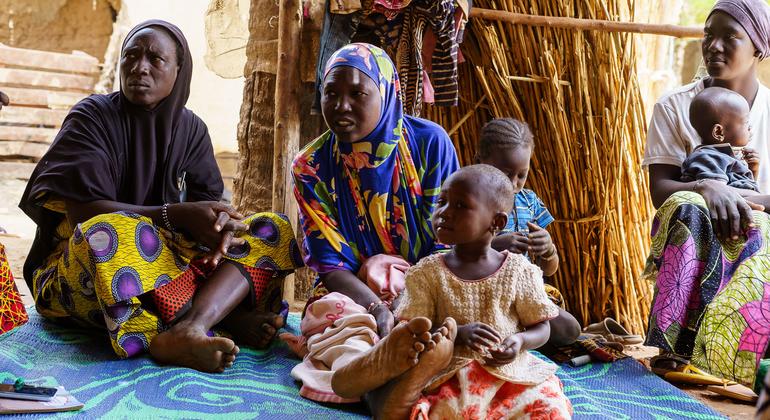
The United Nations High Commissioner for Human Rights has announced the phased closure of its Burkina Faso office by November 30, 2026, marking a significant shift in the country’s international engagement.
This decision follows prolonged tensions with Burkinabè authorities, particularly after the country—alongside Mali and Niger—initiated withdrawal from the Rome Statute of the International Criminal Court (ICC). The UN human rights office had already faced a three-month suspension of its activities following a press release urging the preservation of civic freedoms.
Volker Türk, the UN High Commissioner for Human Rights, expressed deep regret over the indefinite suspension, stating that intensive negotiations failed to resolve the impasse. He emphasized the severe impact on the office’s ability to fulfill its mandate, prompting the gradual withdrawal from Burkina Faso.
commitment to human rights despite withdrawal
Despite the closure, Türk reassured that the UN Human Rights Office would continue supporting Burkinabè authorities, national institutions, civil society, and other stakeholders to uphold human rights in the country. The office, established in October 2021, played a pivotal role in monitoring human rights, advocating for policy changes, and strengthening national capacities.
Among its achievements, the office trained nearly 4,000 defense and security personnel in international human rights law and humanitarian law, fostering a deeper understanding of legal protections and obligations.
global concerns over ICC withdrawal
The announcement coincides with growing international apprehension following Burkina Faso, Mali, and Niger’s decision to withdraw from the ICC. The Assembly of States Parties expressed concerns that such moves could undermine collective justice efforts and weaken global anti-impunity mechanisms. The Assembly stressed that the ICC remains a cornerstone of international justice, dependent on sustained state support.
While acknowledging the countries’ freedom to voice concerns within the Assembly, the Presidency urged them to engage in constructive dialogue and reconsider their withdrawal. It also clarified that exiting the Rome Statute does not absolve states of obligations incurred during their membership, while commending their past contributions to international justice.