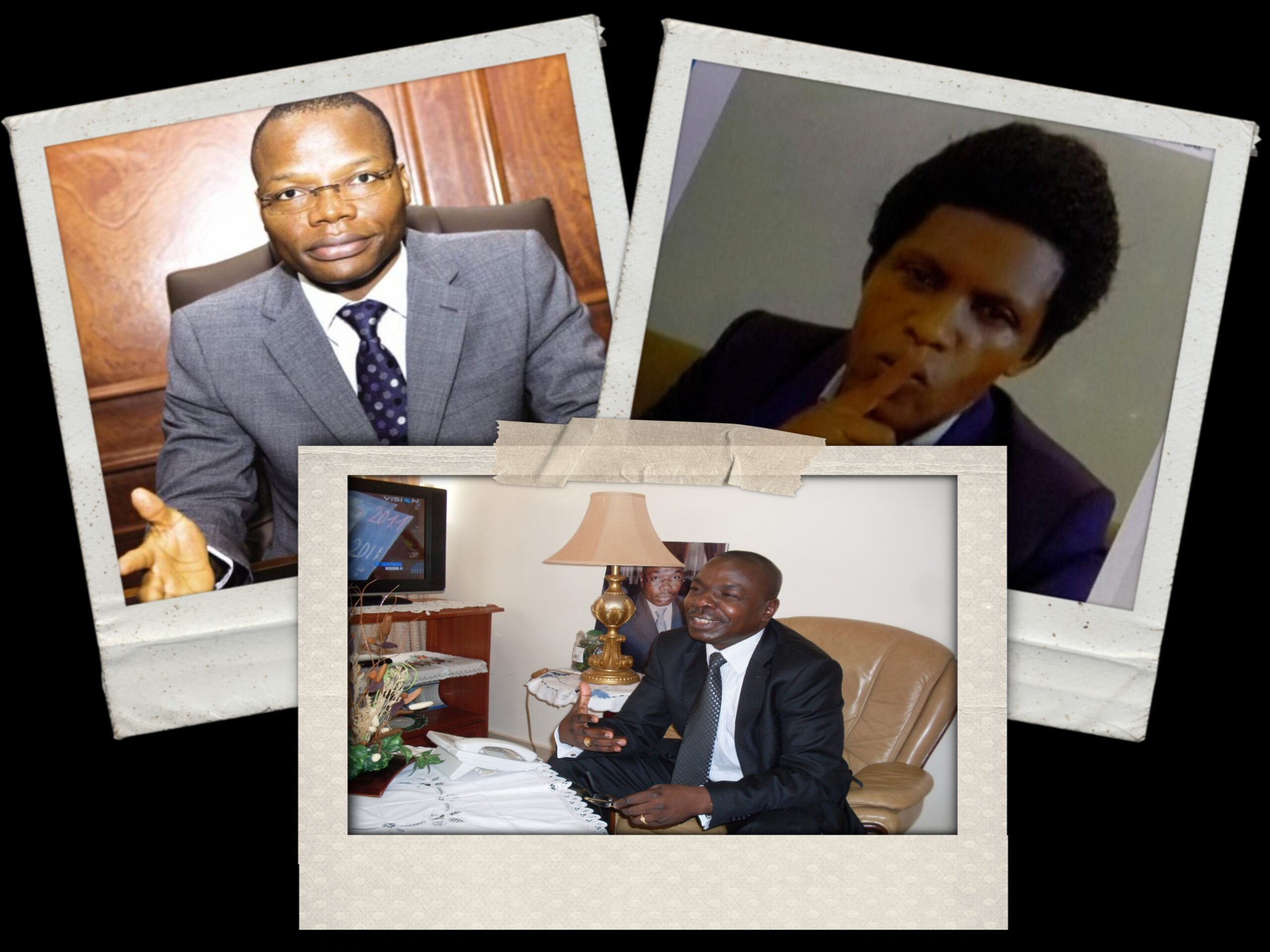
Yaoundé to IMF: Was Modeste Mopa’s sudden transfer a bid to silence the truth?
The latest twists in the Martinez Zogo trial at the Yaoundé military court have reignited scrutiny over the abrupt departure of a key figure to Washington.
As the Yaoundé military court examines the Martinez Zogo case, new revelations are emerging about the sudden transfer of a senior official to the IMF.
This transfer, occurring just days after the journalist’s tragic death, has raised serious questions about the timing and motives behind it.
Following the publication of a recent analysis, the puzzle deepens: What did the authorities seek to conceal by relocating Modeste Mopa to Washington?
By cross-referencing testimonies, administrative records, and digital traces, a pattern of pressure and hidden agendas comes to light. A phrase uttered by a security official—“We will resume psychological pressure on him”—serves as a chilling reminder that words in high places are not mere rhetoric but deliberate acts.
The timing of Mopa’s departure raises eyebrows. Just five days after Zogo’s body was discovered, the official was appointed to a prestigious international role. Was this a routine career move, or a carefully orchestrated exit to shield him from scrutiny?
Understanding this case requires examining the intersections of power, media, and institutional oversight. Zogo’s investigations into fictitious contracts and questionable tax debts had exposed deep rifts within the administration. His work, though framed as journalism, may have inadvertently served as a tool in a larger power struggle.
Questions abound: Who proposed Mopa’s name for the IMF position? What criteria were used to justify his rapid appointment? And what responsibilities does he hold in his new role?
With phone records, restricted internet access, and cross-border implications, this affair could transcend national borders. If Mopa’s transfer was indeed an attempt to evade accountability, the international community may now be unwittingly drawn into the investigation.
At its core, this case challenges the very foundations of governance. It forces us to confront whether justice can prevail in a system where truth is weaponized and lives are expendable. The Latin maxim “Fiat justitia, ruat caelum”—let justice be done, though the heavens may fall—echoes through the corridors of power, but in Cameroon, the scales often falter under the weight of political expediency.
As the investigation unfolds, one question looms larger than the rest: Was Martinez Zogo silenced to send a message, or was his death a tragic byproduct of a system where fear is the currency of control?
Be the first to comment




Comments