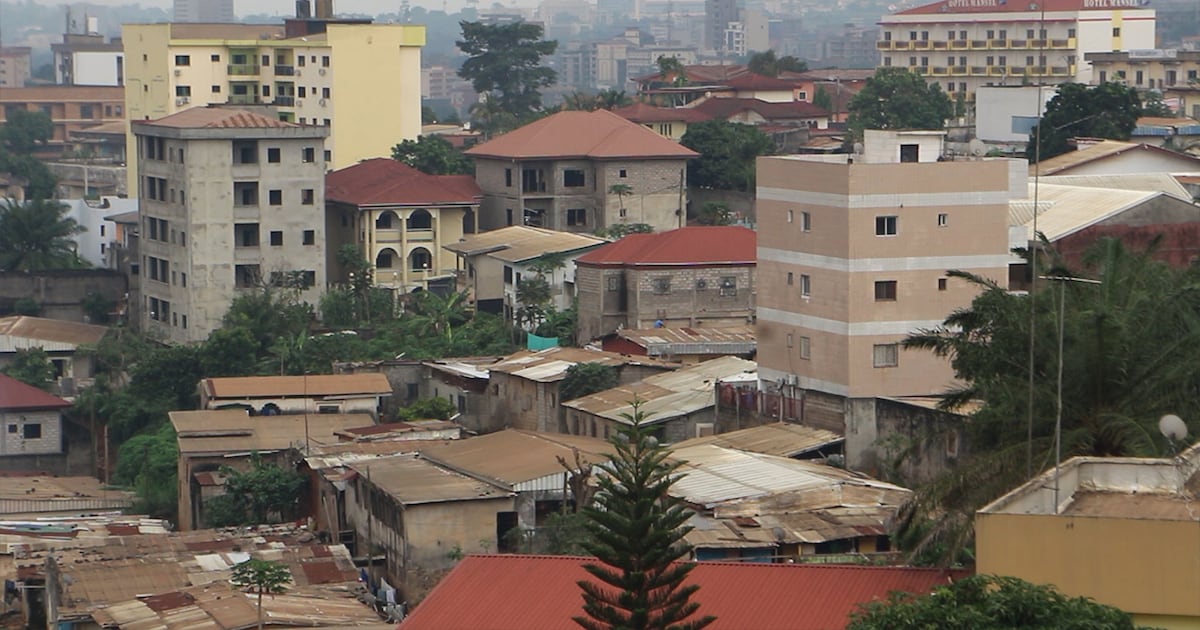
Mbarga Obama, a venerable 90-year-old native of Cameroon’s political capital, Yaoundé, reflects with profound satisfaction on the city’s remarkable transformation. “Yaoundé is no longer the city I knew two decades ago,” he recounts, highlighting the significant progress marked by modern infrastructure emerging from the city center. “Today, the city where I was born stretches far beyond the seven hills traditionally associated with it. I truly appreciate this growth.” Obama joyfully narrates the pivotal stages in the evolution of his birthplace, from a humble village to a prominent metropolis.
He further elaborated, “In earlier times, the urban core was confined to the Atemengué plateau, with only a slight extension towards neighborhoods like Mokolo and Nlong-Kak. The remaining areas largely maintained a semi-rural character.”
Since those days, considerable change has swept through Yaoundé. This former village now draws thousands of new residents annually, causing its population to swell dramatically over the years. This expansion has been so extensive that several once-separate surrounding localities have now been absorbed into the city’s ever-growing footprint.
This significant territorial expansion prompts crucial discussions among urban planners, including Blaise Feugang, the departmental delegate for the Ministry of Housing and Urban Development in Nyong and So’o. Feugang asserts, “For a city like Yaoundé, adopting vertical construction is imperative, rather than continuing the current horizontal sprawl. Multi-story buildings are more economical, particularly when considering the infrastructure and amenities required for a site. Furthermore, aesthetically pleasing high-rises enhance the overall beauty of urban environments.”
Many experts consulted on the matter suggest that for Cameroon to possess a truly attractive political capital that aligns with international standards, it would be beneficial to consider relocating the capital. Alternatively, they propose a concerted effort to assist families in improving their existing homes.