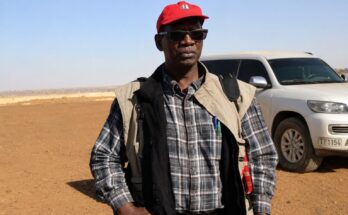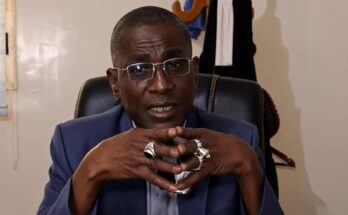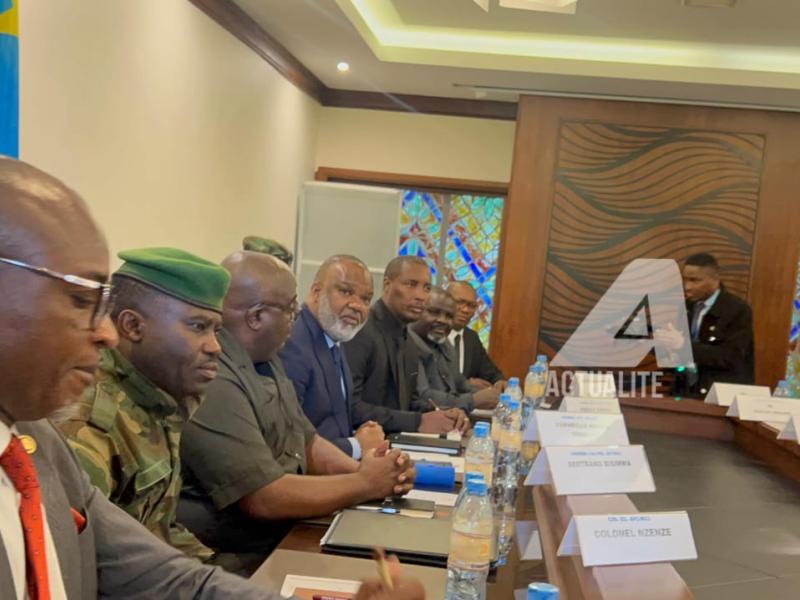
In a sharp rebuke delivered from Goma, the AFC/M23 political leadership has condemned what it describes as “irresponsible” and “warmongering” rhetoric from President Félix Tshisekedi. The movement’s political coordinator, Corneille Nangaa, voiced these concerns following the Congolese leader’s recent statements in Houston, USA, where he pledged to swiftly reclaim territories currently held by the politico-military group.
During a press briefing on Thursday, June 18, 2026, Nangaa expressed bewilderment at the international community’s lack of response. He argued that the silence from peace process partners and mediators is beginning to look like complicity, especially as government forces continue to launch heavy attacks in direct violation of diplomatic de-escalation efforts.
Allegations of international negligence
Nangaa emphasized that global actors are well aware of the deteriorating situation on the ground. “We have a responsibility before God, history, and the nation to highlight this deafening silence,” he stated. He noted that diplomatic missions and human rights organizations possess detailed reports on civilian casualties and the ongoing violence, yet fail to act.
The coordinator specifically pointed to the Minembwe Highlands as a flashpoint of humanitarian distress. He criticized the tendency to treat the conflict in the east as a “peripheral tragedy” because of its distance from the capital, Kinshasa, asserting that every life deserves equal protection regardless of geography.
Stalled peace initiatives
The AFC/M23 leadership further accused the government of manipulating international partners and sabotaging peace efforts. According to Nangaa, the continued deployment of new military units contradicts the spirit of sincere de-escalation. He also highlighted a lack of reciprocity from the regime, noting that while the AFC/M23 has released hundreds of prisoners of war as a gesture of goodwill, Kinshasa has failed to fulfill its own commitments.
This escalation in verbal hostilities comes despite ongoing diplomatic frameworks, including the Washington agreements and the Doha process. While these initiatives aim to establish a lasting ceasefire, the reality on the ground remains unchanged, with active combat persisting between the rebellion and government forces. As both sides interpret peace agreements through their own lenses, the gap between diplomatic promises and the security situation in eastern DRC continues to widen.