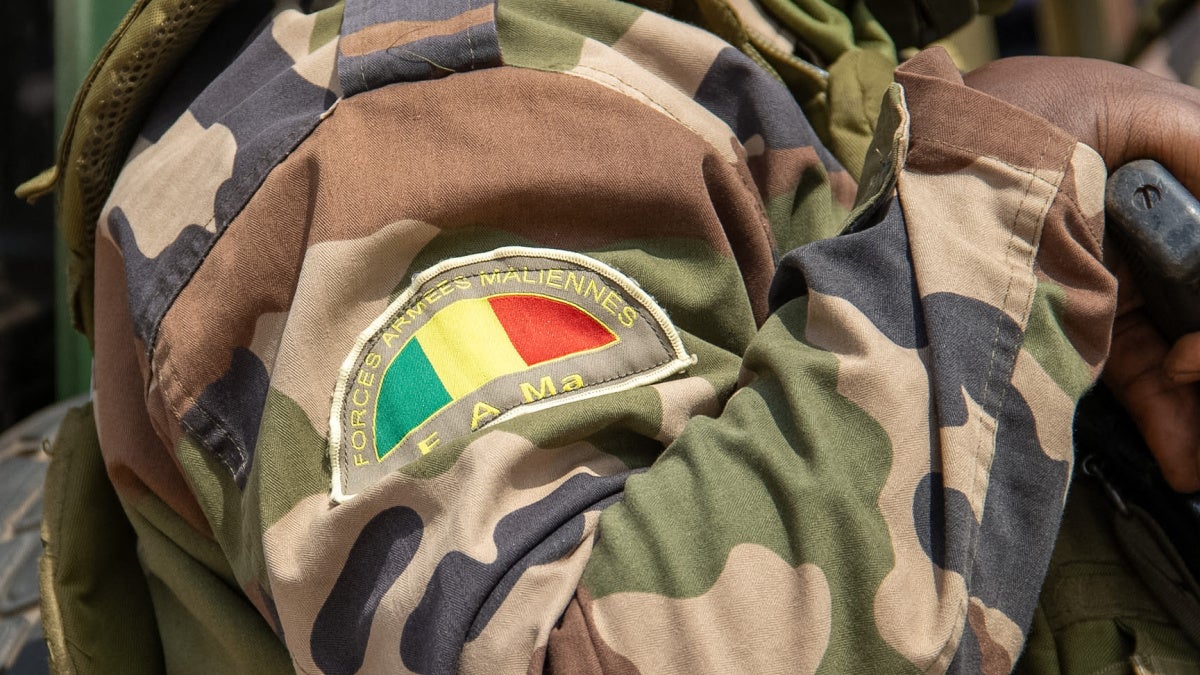
The Malian military, alongside allied militias, is accused of massacring at least 31 civilians and torching homes in two villages in the conflict-ridden Ségou region on October 2 and 13, according to field investigations.
Mass killings linked to counter-insurgency operations
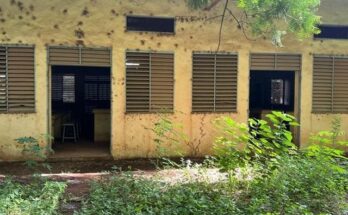
On October 2, soldiers and Dozos, traditional hunters primarily from the Bambara ethnic group who have supported counter-insurgency efforts for a decade, stormed Kamona. Witnesses reported that the Jama’at Nusrat al-Islam wa al-Muslimeen (JNIM), an Al-Qaeda-linked group controlling the area, had alerted villagers of the army’s arrival, prompting many to flee. Those who remained were rounded up and executed, according to survivors. At least 21 men were killed, and 10 homes were set ablaze. A survivor recounted how bodies were found riddled with bullets under a tree, with some victims suffering severe head injuries.
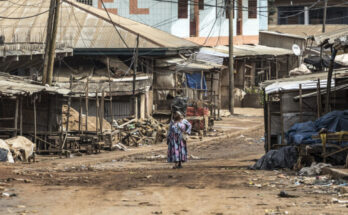
On October 13, the same forces descended on Balle, 55 kilometers away. Soldiers in five pickup trucks and Dozos on over 30 motorcycles triggered another exodus. Survivors described soldiers forcibly entering homes, assaulting men, and opening fire. Ten civilians—nine men and a 55-year-old woman—were killed, and at least 100 cattle were stolen. A 21-year-old woman recounted how her mother, protesting the soldiers’ actions, was dragged away and shot alongside the other victims.
Local leaders confirmed that Balle has been under JNIM control for years, with residents paying Islamic taxes (zakat) and relying on the group to resolve disputes in the absence of state authorities. Villagers insisted that no jihadists were present during the attacks, yet the military made no distinction between civilians and suspected fighters.
International condemnation and calls for accountability
Human rights observers have documented recurring abuses by Malian forces and allied groups during counter-insurgency operations, including arbitrary killings, village burnings, and looting. The latest massacres follow a surge in JNIM attacks, including the August 8 assault on the Siribala sugar factory, which has exacerbated tensions in the region.
Under international humanitarian law, all parties in the Mali conflict must adhere to the Third Geneva Convention and customary war laws, which prohibit attacks on civilians, executions, and cruel treatment. Perpetrators of war crimes, including those with command responsibility, may face prosecution. While Mali withdrew from the International Criminal Court (ICC) in September, it remains bound by the Rome Statute until September 2026, when the ICC’s ongoing investigation into alleged war crimes since 2012 could take effect.
The African Union (AU) has faced criticism for its limited response to the escalating crisis. Analysts urge the AU’s Peace and Security Council to prioritize Mali, advocating for stronger diplomatic efforts, regional coordination, and accountability mechanisms to address abuses by all conflict parties.
Broader conflict dynamics and civilian toll
Since 2012, Mali’s successive governments have waged war against Islamist armed groups, resulting in thousands of civilian deaths and displacing over 400,000 people. The JNIM’s recent blockade of Bamako, cutting off fuel supplies and forcing the closure of schools and universities, has further strained the country’s stability. The cycle of violence underscores the urgent need for impartial investigations and justice to break the pattern of impunity.