Civilian deaths and arson in Ségou after military operations
At least 31 civilians were killed and homes were set ablaze in two villages in Mali’s Ségou region during operations led by the Malian Armed Forces and allied militias on October 2 and 13. The attacks occurred in an area under the control of the Group for the Support of Islam and Muslims (GSIM), an Al-Qaeda-affiliated group, according to local testimonies.
Kamona massacre: 21 men executed and homes burned
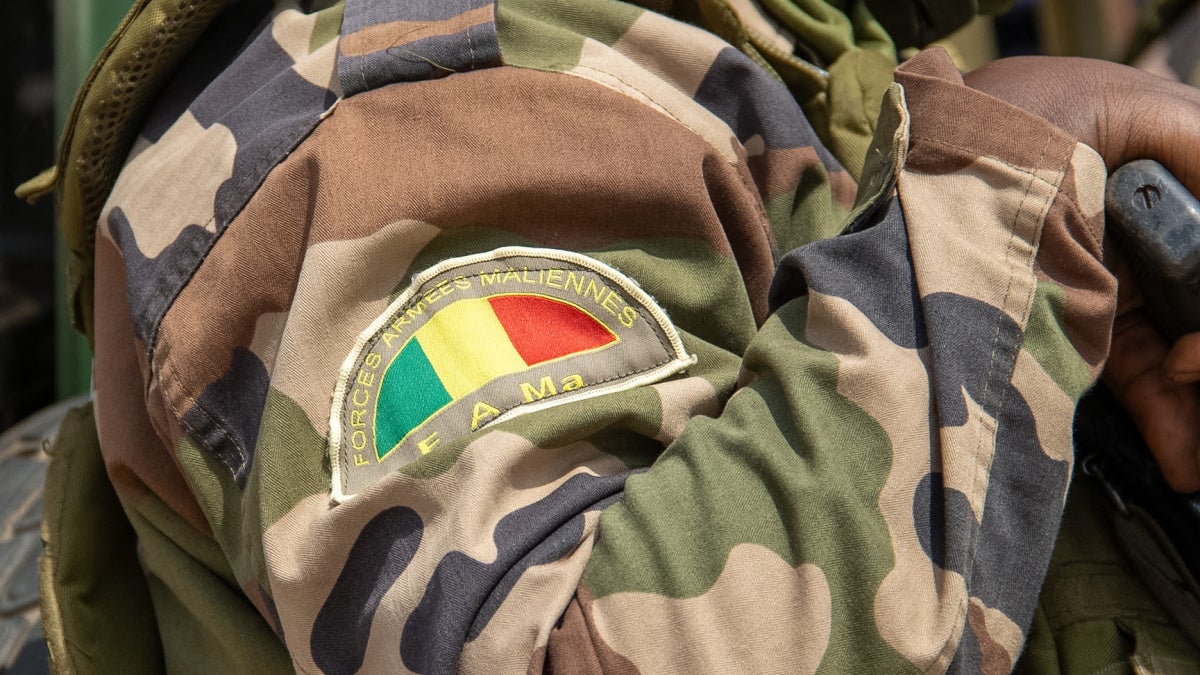
On October 2, soldiers in camouflage uniforms and Dozos—traditional hunters mostly from the Bambara ethnic group—arrived in Kamona in at least seven pickup trucks, three armored vehicles, and on motorcycles. Witnesses reported that GSIM fighters had warned villagers of the approaching forces, prompting many to flee. Those who remained were rounded up and executed, according to survivors.
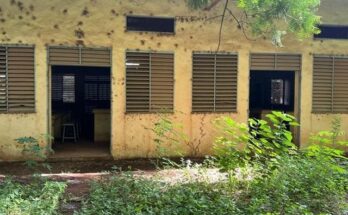
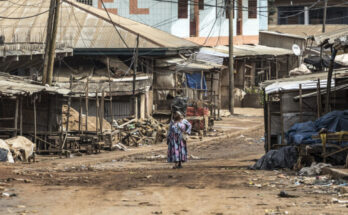
At least 10 homes belonging to Fulani residents were torched, and 17 bodies were later found under a tree. A 40-year-old shepherd, who had hidden with his 9-year-old daughter, described the scene: “The people had been riddled with bullets. One man’s head was completely shattered. Empty bullet casings lay scattered around the bodies.”
Villagers provided a list of 21 male victims, aged 20 to 65, though some locals claimed up to 15 additional men may have been killed in nearby bushland. Fear of returning soldiers prevented further verification.
Balle attack: 10 civilians killed and livestock stolen
Thirteen days later, soldiers and Dozos entered the village of Balle, about 55 kilometers from Kamona. A 24-year-old man recounted: “I didn’t flee immediately, but when I saw soldiers going door-to-door and beating men, I ran. From my hiding place, I heard gunfire.”
The attackers killed 10 civilians, including a 55-year-old woman, and stole over 100 cattle. A 33-year-old man found the bodies in the village center: “They lay side by side, riddled with bullets. Some had broken arms and legs.” The victim’s 21-year-old daughter described how her mother, after confronting the soldiers, was taken to where the men had been gathered and shot.
Military claims disputed by locals
The Malian military’s official statement claimed its October 13 operation in Balle was an “offensive reconnaissance” that “neutralized around twenty terrorists” and seized weapons. However, residents countered that Balle had been under GSIM control for years, with locals paying Islamic taxes and relying on the group for dispute resolution. “There are no soldiers, police, or gendarmes here,” one man explained. “The army assumes we are all GSIM fighters. They make no distinction.”
Calls for accountability amid ongoing conflict
Since 2012, Mali has been embroiled in conflict with Islamist armed groups, resulting in thousands of civilian deaths and displacing over 400,000 people. Both the military and GSIM have been accused of grave abuses, including extrajudicial killings and torture. International humanitarian law prohibits attacks on civilians, summary executions, and cruel treatment, with perpetrators potentially facing war crime charges.
Mali withdrew from the International Criminal Court (ICC) in September but remains a party to the Rome Statute until September 2026. The ICC opened an investigation into alleged war crimes in Mali in 2013, focusing on violations committed since 2012.
Human rights observers urge the African Union to prioritize the crisis, calling for stronger diplomatic efforts and coordinated regional action to ensure accountability for abuses by all parties.