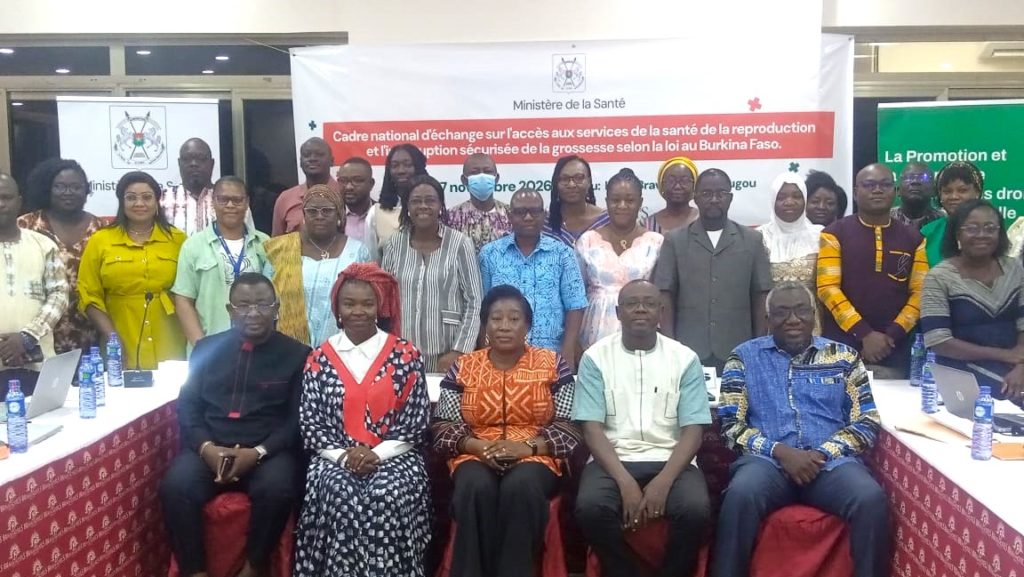
The Burkina Faso government’s two-day national forum in Ouagadougou is shining a spotlight on the country’s pressing reproductive health challenges, with experts warning that delays in care are costing lives and straining the healthcare system.
Nationwide dialogue aims to bridge access gaps in reproductive healthcare
The Ministry of Health has convened a landmark national dialogue on November 16-17, 2026, bringing together policymakers, healthcare providers, legal experts, and civil society organizations to address critical service gaps in sexual and reproductive health. The forum, led by the Directorate of Family Health and supported by the Burkinabè Association for Family Welfare (ABBEF), follows alarming statistics on maternal mortality that continue to rise despite existing interventions.
The event’s primary objective is to strengthen inter-institutional coordination, clarify legal provisions, and identify actionable steps to improve access to quality care—particularly for women and girls facing obstetric complications, unintended pregnancies, or unsafe abortion conditions.
Maternal mortality rate exposes systemic service delivery failures
Government data presented during the forum reveals a maternal mortality ratio of 198 deaths per 100,000 live births—nearly three times the Sustainable Development Goal target of fewer than 70 deaths by 2030. Speaking on behalf of the Ministry of Health, Regina Claudia Yaro/Zongo emphasized that maternal and child health remains a top national priority, though systemic delays in emergency obstetric care continue to endanger vulnerable populations.
Current government initiatives, including free maternal and neonatal services, subsidized family planning, and expanded emergency obstetric and neonatal care, have yet to reverse this trend. The 2025-2030 National Strategic Plan for Reproductive, Maternal, Newborn, Child, Adolescent, and Elderly Health aims to address these shortcomings with targeted interventions.
Legal barriers and unsafe abortion practices intensify the crisis
While Burkina Faso’s legal framework permits safe abortion under specific conditions—such as grave fetal anomalies, life-endangering pregnancies, or assault cases—misinterpretation and procedural hurdles often prevent women from accessing these services. Forum participants are examining ways to simplify compliance pathways and reduce administrative bottlenecks that delay critical care.
A civil society representative emphasized the need for stronger collaboration between health authorities and grassroots organizations to ensure that legal protections translate into real-world access. The ABBEF’s executive director, Koumanda Mohmed Hamdy, underscored that fragmented policy implementation is exacerbating preventable deaths.
Technical partners warn against complacency in healthcare improvements
Representatives from global health bodies attending the forum have praised Burkina Faso’s policy advancements but caution that persistent financial and logistical constraints threaten progress. Dr. Hien Clotaire of the World Health Organization (WHO), representing technical and financial partners, highlighted the need for sustained investment in healthcare infrastructure and workforce development to meet international benchmarks.
The forum’s agenda also includes discussions on unintended pregnancy prevention, post-abortion care, service quality standards, and sustainable financing models. Organizers aim to finalize an operational roadmap outlining concrete commitments, accountability mechanisms, and timelines for implementation.
Next steps: From dialogue to decisive action
With the two-day forum concluding, stakeholders are expected to adopt clear priorities for improving reproductive health outcomes. The roadmap will prioritize regions with the highest mortality rates, strengthening local health centers, and scaling up community-based awareness programs to promote timely care-seeking behavior.
Experts stress that Burkina Faso’s demographic challenges—with over 30% of the population under 15—make this an urgent priority. Failure to act now could reverse hard-won gains, leaving future generations at greater risk of preventable health complications.