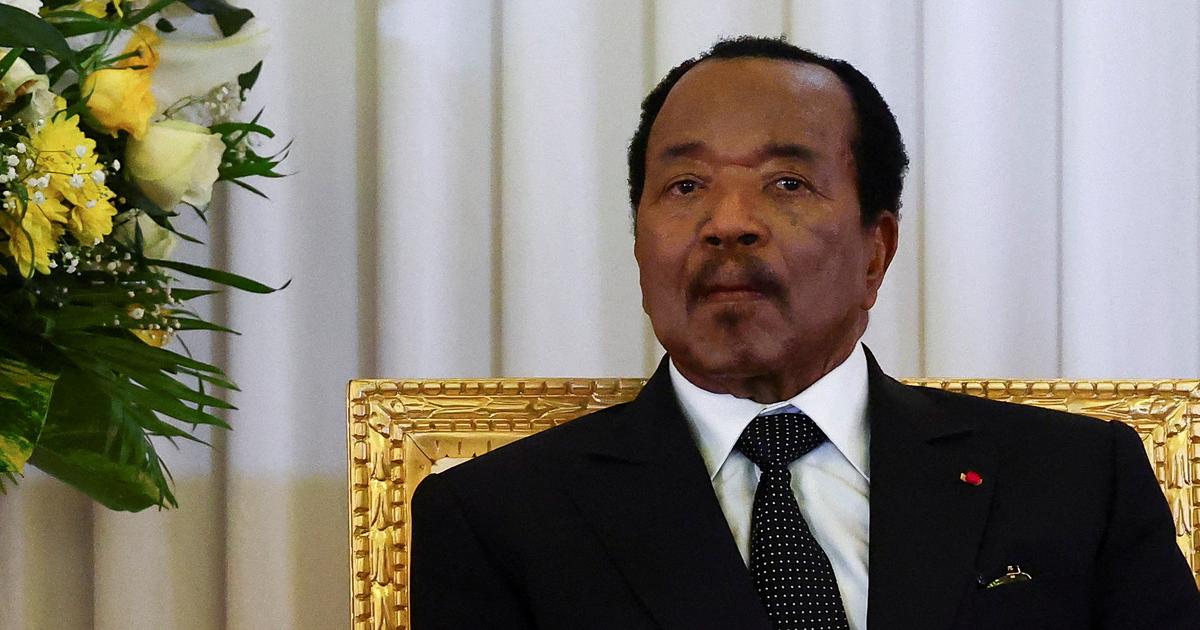
For over two months, the whereabouts of President Paul Biya have sparked widespread speculation across Cameroon. Civil society groups and opposition parties are openly questioning whether Africa’s oldest serving leader remains in good health, given the prolonged absence from the country’s capital, Yaoundé.
At 93 years old, Biya, who secured a controversial re-election in 2025, holds the unenviable title of the world’s oldest head of state. Yet, since departing Yaoundé on June 7, he has been operating from Geneva, Switzerland, on what authorities describe as a “private visit.” This marks the first time in his 44-year presidency that he has spent more than 50 consecutive days abroad for non-official purposes. Critics argue that such prolonged absences underscore deeper governance challenges.
“Cameroon’s political reality is surreal. The nation is led by a centenarian president who spends more time in Swiss luxury than in his own palace,” remarked a local analyst. The irony isn’t lost on citizens, who continue to witness the presidency issue official decrees bearing Biya’s signature—despite his absence.
Recent government actions have only intensified the debate. On August 3, a batch of presidential decrees—signed remotely from Geneva—announced a major military reshuffle, appointing key figures to strategic roles. While the presidency insists the orders reflect Biya’s directives, questions linger about who truly wields power behind the scenes.
With no clear public explanation for the extended stay, Cameroonians are left grappling with uncertainty. The situation raises pressing concerns about transparency, succession planning, and the long-term stability of a country where leadership has remained frozen in time for decades.