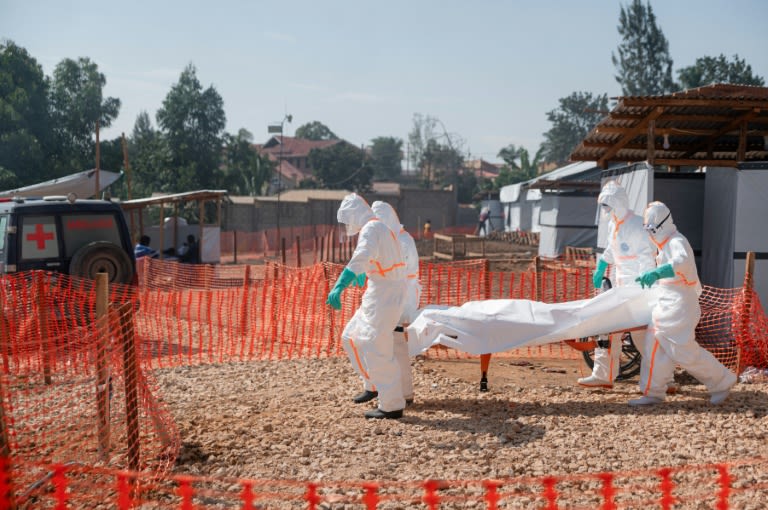
The deadly Ebola virus has escalated its reach into a sixth province in the Democratic Republic of Congo (DRC), raising alarms about a potential cross-border spread into neighboring South Sudan. This marks a critical escalation in what health authorities now describe as the most devastating Ebola outbreak in the country’s recorded history.
Unprecedented spread and rising death toll
Officials confirmed the 17th Ebola outbreak in the DRC on May 15, a declaration that arrived weeks after initial cases surfaced. The outbreak has already claimed over 2,128 lives from 4,566 confirmed cases—just three months after the declaration—according to the latest government health bulletin.
This staggering toll surpasses the trajectory of the West Africa Ebola epidemic of 2014, which saw seven times fewer cases and five times fewer deaths during the same timeframe, according to health monitoring organizations.
New province confirms first fatality
Until recently, five provinces had reported active cases: Ituri (bordering Uganda and South Sudan), North Kivu, South Kivu, Haut-Uélé, and Tshopo. Now, the Bas-Uélé province in northern DRC—previously untouched by the outbreak—has recorded its first fatality, confirmed by the head of the Africa Centres for Disease Control and Prevention (Africa CDC), Jean Kaseya, during a press briefing.
The victim had traveled from Haut-Uélé, one of the hardest-hit regions. The Africa CDC has warned that the epidemic is advancing at an alarming pace, unprecedented in modern medical history.
Cross-border risks and humanitarian challenges
The international aid group Mercy Corps has issued a stark warning about the virus’s potential spread into South Sudan, citing confirmed cases located just 35 kilometers from the border. High-risk movement corridors along the frontier amplify concerns about further transmission.
The response effort faces severe obstacles, including overwhelmed health services, limited access to clean water and sanitation, and widespread distrust in affected communities. Security threats compound the crisis, particularly in North Kivu and South Kivu, where armed conflict between government forces and the M23 rebel group—allegedly supported by Rwanda—has seized control of vast territories, complicating access for health workers.
Despite these challenges, South Kivu has made progress, with health authorities declaring the end of its Ebola outbreak after 42 days without new cases. Meanwhile, a suspected fatality on a barge traveling the Congo River toward Kinshasa in early August prompted immediate screenings, though no additional cases were detected among passengers, who were subsequently cleared to disembark near the capital.
Public health crisis and long-term risks
Ebola, transmitted through bodily fluids, triggers severe hemorrhagic fever and has killed more than 15,000 people across Africa over the past five decades. Health experts from the World Health Organization (WHO) have expressed cautious optimism, suggesting that decisive interventions could reverse the outbreak’s upward trend within three months.