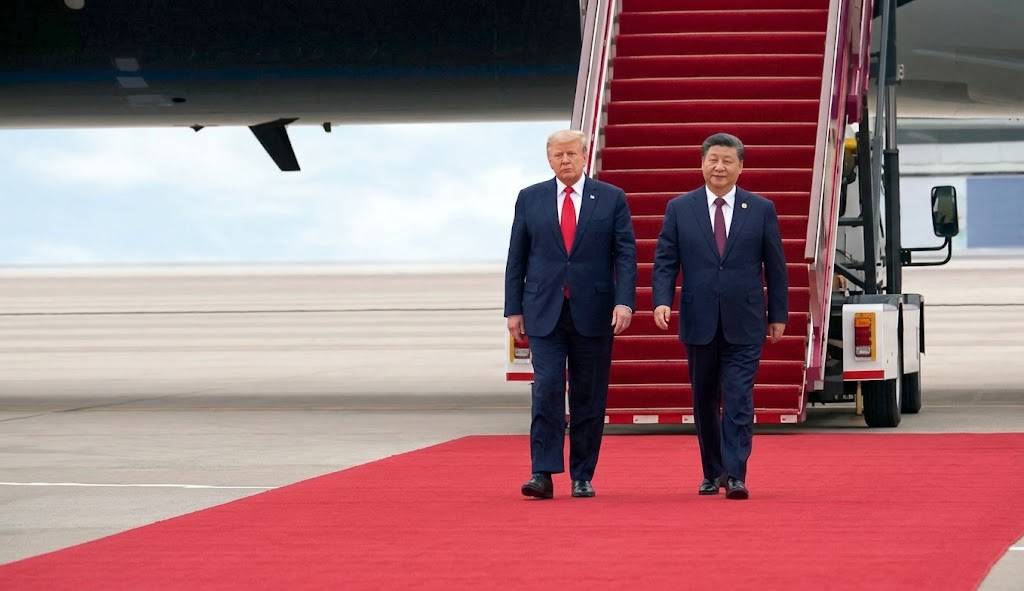
Shenzhen, China — In a diplomatic milestone, U.S. President Donald Trump, Chinese Premier Xi Jinping, and Russian President Vladimir Putin convened in Shenzhen on Wednesday, marking their first trilateral summit at this high level. The meeting, slated for Thursday, November 19, 2026, is taking place against the backdrop of the Asia-Pacific Economic Cooperation (APEC) summit but has evolved into a standalone diplomatic event with global implications.
Three superpowers, one high-stakes agenda
Gathering three of the world’s most influential leaders is no small feat. Donald Trump arrives with an agenda focused on advancing U.S. interests, strengthening ties with both China and Russia, and securing progress on critical international security issues. His administration has emphasized the need for pragmatic diplomacy to address nuclear proliferation, trade imbalances, and regional conflicts.
Xi Jinping, leveraging China’s economic and technological ascent, seeks to solidify Beijing’s role as a central player in global governance. By hosting both Trump and Putin, Xi is signaling Beijing’s ambition to mediate major international disputes and shape the future of multilateral cooperation.
Vladimir Putin, facing Western sanctions and ongoing tensions over the Ukraine war, uses this summit as a platform to reassert Russia’s diplomatic influence. For Putin, the meeting is an opportunity to negotiate from a position of strength, particularly on security matters where Russia holds significant leverage.
A packed agenda: nuclear arms, Iran, and Ukraine dominate talks
The summit’s agenda is dense with pressing global challenges. Nuclear disarmament tops the list, with Trump pushing for discussions on reducing global arsenals—no small task when the three countries collectively possess the majority of the world’s nuclear stockpile.
The Iran crisis looms large, with Tehran’s nuclear ambitions and regional destabilization efforts raising concerns across multiple continents. The leaders are expected to address ways to curb Iran’s military trajectory while avoiding a direct confrontation.
Ukraine remains a flashpoint. While the U.S. continues to advocate for a diplomatic resolution, Russia’s position remains firm. China, maintaining strategic ties with Moscow, seeks to balance its alliances with its economic interests, particularly in Europe and the Global South.
Trade and technology restrictions will also take center stage. Topics include advanced semiconductor exports, critical mineral supply chains, and technological sovereignty—all areas where competition between the U.S., China, and Russia has intensified in recent years.
Could this summit redraw the global power map?
The question on everyone’s mind: Can these three leaders broker agreements that reshape global power dynamics? Some analysts draw parallels to the 1945 Yalta Conference, where Allied leaders reshaped postwar Europe. Yet the comparison is imperfect. Today’s geopolitical landscape is far more fragmented, with Europe, Ukraine, Asian allies, and emerging economies all playing influential roles.
No trilateral deal—no matter how significant—can override international law or marginalize other global players. The summit’s success will hinge on whether these leaders can move beyond symbolic gestures to deliver concrete commitments on nuclear stability, economic resilience, and regional security.
What’s at stake? Billions of lives hang in the balance
Shenzhen’s summit arrives amid rising geopolitical tensions, escalating trade wars, and shifting international alliances. The world watches closely as Trump, Xi, and Putin prepare to take the stage. But rhetoric means little without action.
The critical question remains: Can these three leaders turn dialogue into tangible progress on peace, security, and economic stability? The outcome in Shenzhen won’t just shape the future of U.S.-China-Russia relations—it could redefine the global order for generations to come.