Extreme ticket resale prices plague Champions League final as scams surge
Delirious prices, fake sellers, blocked tickets on smartphones… With the Arsenal-PSG final just days away, the secondary market has become a minefield where some now sell phones bundled with tickets.
From blockbuster concerts to marquee sporting events, it’s no longer unusual to pay three or even four figures for a resold ticket. The Champions League final on May 30 is no exception.
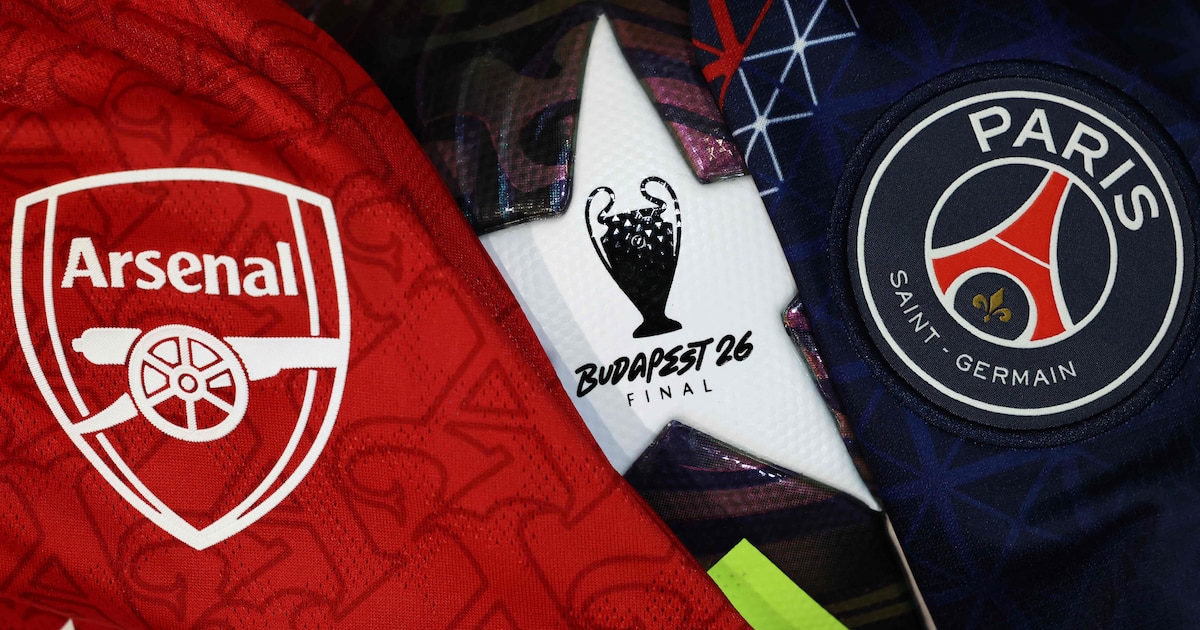
The matchup has everything: Arsenal arrives as English champions while PSG comes in as French champions and defending European champions. Both teams boast massive followings, and only 18,000 tickets per club are officially allocated. The remaining 31,000 seats—meant for neutral fans, partners, and other distribution channels—create a yawning gap between supply and demand. This imbalance has handed opportunists and fraudsters a golden opportunity.
Exorbitant prices and elaborate scams
Tickets are changing hands at staggering prices on platforms like X and WhatsApp. “On WhatsApp groups, you won’t find any tickets below €2,000—if you find any at all,” says a Parisian supporter who traveled to Budapest to cheer on his team. And that’s just the starting point. Resale sites such as Fan Pass or SeatPick are quoting up to €115,000 per ticket—far above the €70 to €950 range set by UEFA.

While dedicated resale sites tend to operate more securely, the same can’t be said for social media. “There’s a massive operation where club members buy tickets in bulk to resell at inflated prices. They’re exploiting the hype and the one-off nature of the event—it’s a full-blown black market.” explains Martin, a Parisian fan who, unable to secure a ticket, ended up watching the match on a giant screen at Parc des Princes, PSG’s home stadium.
Scams lurk even on supposedly secure platforms. Martin recounts his own experience: “We messaged the seller, sent our IBAN and name, and transferred the money. The moment the payment went through, the guy vanished.”

Looking back, Martin admits he missed the warning signs. “We were too eager—demand was insane. We should’ve taken more time.” He eventually spotted the red flag: a Google Gemini logo on the ticket screenshot, a telltale sign of fraud. “X is crawling with scammers, but WhatsApp groups are shockingly organized—almost like a ticket agency.”
UEFA tightens ticketing but new loopholes emerge
UEFA has clamped down on unauthorized resales by locking tickets to its official UEFA Mobile Tickets app. Paper tickets and emailed PDFs are no longer valid. The app displays tickets only to the device on which they were downloaded, and sharing accounts is strictly prohibited. “Only the phone used to download the mobile ticket will grant access to the stadium,” UEFA warns. The goal is to prevent duplicate scans, disappearing sellers, and last-minute scams.
It’s hard to know who’s behind these sales. Is it one person or an organized group? Either way, it’s unsettling. You can’t help wondering what they’re doing with the money.
Yet fraudsters have already found a workaround: bundling tickets with smartphones. “I’ve never seen anything like it. The seller offers the ticket plus a phone—sometimes for free, sometimes with a surcharge.” Martin notes. Buyers must decide whether to meet in person to exchange the device or trust the seller to mail it—a gamble few are willing to take, but one that has already lured many.

With this black-market trade thriving, one question lingers: who exactly are buyers dealing with? “It’s impossible to tell if it’s one person or a full-blown operation. Either way, it’s creepy. You start questioning what happens to the money.” Martin concludes, having finally secured a ticket—ironically, via WhatsApp—for the Parc des Princes.