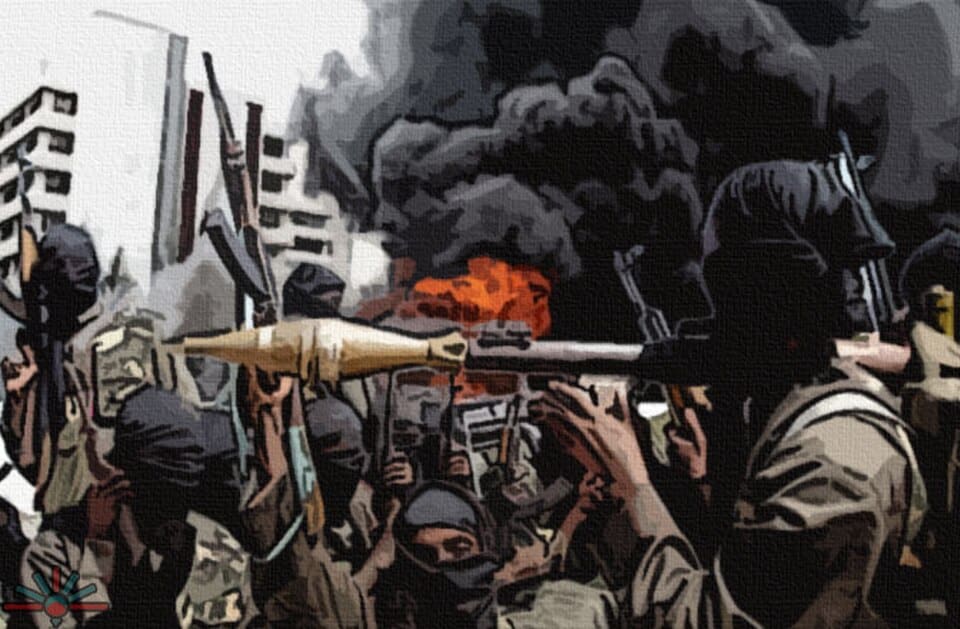
Groundbreaking testimonies from former Boko Haram operatives reveal how the jihadist group has integrated artificial intelligence tools—including generative chatbots—into its operational planning. These technologies are now being used to refine attack strategies, troubleshoot technical challenges, and enhance overall combat readiness, presenting an unprecedented challenge to global counterterrorism efforts.
AI as a strategic multiplier for Boko Haram’s operations
For years, security experts warned that terrorist organizations would eventually weaponize artificial intelligence. That theory has now been confirmed through direct field evidence.
A comprehensive investigation conducted by Antonia Juelich, a researcher at the Cambridge Programme on AI Science and Policy (CASP), draws on interviews with dozens of former Boko Haram members. The findings indicate that certain factions within the group began deploying generative AI tools as early as 2023—just months after ChatGPT’s public release.
While AI-generated propaganda has been widely documented, these new revelations show a far more sophisticated application. Fighters are now using AI not only to craft messages but to solve technical problems, streamline operational planning, and analyze past actions for improvement. One former member described these tools as an “unlimited knowledge base,” capable of providing instant answers to complex questions—even when the responses are incomplete or inaccurate.
Researchers emphasize that AI does not replace human expertise but serves as a powerful decision-support system. It accelerates information gathering, improves situational awareness, and helps refine tactics before, during, and after operations. The technology is now embedded in the group’s daily functioning, marking a significant evolution in terrorist operational methodology.
An emerging threat beyond Nigeria’s borders
The implications of this trend extend far beyond the Lake Chad Basin, where Boko Haram has long terrorized communities across Nigeria, Cameroon, Niger, and Chad.
Founded in 2002 and responsible for thousands of civilian deaths, Boko Haram may represent just the first wave of a broader trend. Analysts warn that other armed groups could soon adopt similar technologies as AI models become more accessible and sophisticated. While current AI capabilities have limitations—such as generating false information or providing technically flawed advice—they already offer substantial tactical advantages by reducing research time and operational bottlenecks.
Unlike specialized software or military-grade equipment, AI tools are widely available via standard internet-connected devices. They democratize access to advanced problem-solving capabilities, once reserved for experts or extensive documentation. This shift forces intelligence agencies to reconsider how they assess terrorist capabilities—not just through financial networks or communication intercepts, but by monitoring their ability to exploit cutting-edge civilian technologies.
Security researchers also highlight the urgent need for AI developers to strengthen safeguards. While content filters block overt requests for weapons or explosives, malicious actors continuously refine their tactics, using indirect phrasing or iterative queries to bypass restrictions. The report underscores that intelligence services must now incorporate AI proficiency into their threat assessments of terrorist organizations.
Global security demands a tech-driven response
The Boko Haram case exemplifies a broader trend in international security: the rapid adoption of emerging technologies by non-state actors. Digital innovations no longer benefit only governments or multinational corporations—they are now accessible to armed groups seeking operational efficiency.
Terrorist organizations typically adopt new technologies based on practical utility rather than novelty. AI does not transform their military capabilities overnight, but it enables faster learning, easier access to specialized knowledge, and improved internal coordination. For counterterrorism agencies, this means shifting from reactive monitoring to proactive engagement with AI development and deployment.
The study on Boko Haram represents one of the first documented cases of an active terrorist group integrating generative AI into its core operations. It signals a new chapter in global security, where artificial intelligence is no longer just a tool of economic or social change—but a critical factor in the fight against terrorism. Governments, researchers, and tech companies must now collaborate more closely to anticipate AI misuse, develop robust countermeasures, and stay ahead of the curve in this evolving threat landscape.