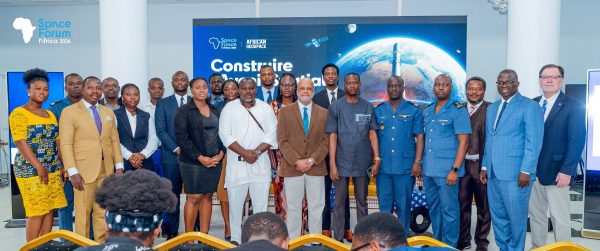
In Lomé, the Space Forum Africa 2026 shifted perspectives. From July 28 to 30, policymakers, researchers, investors, and innovators gathered to explore a transformative idea: space technologies are no longer just tools for observing Earth—they now fuel production, disaster resilience, communication, and market expansion across the continent.
For decades, Africa’s space ambitions centered on distant goals: launching satellites, funding research, and training talent. Yet at this year’s forum in Lomé, the conversation evolved. The focus wasn’t on Africa’s ability to conquer space, but on how space could conquer Africa’s most pressing challenges.
From Orbit to Field: Harnessing Satellite Data for Ground-Level Impact
The most significant takeaway from the discussions was a shift in scale. Space is no longer reserved for scientific curiosity or technological prestige. Today, satellite data directly supports critical sectors like agriculture, climate monitoring, communications, and disaster prevention. The true battleground isn’t in orbit—it’s in how these orbital insights translate into actionable decisions on the ground.
For African economies grappling with climate change, data gaps, and forecasting limitations, these technologies offer a powerful new tool for decision-making. As data becomes more accessible, it unlocks opportunities for local tech startups to develop high-value solutions tailored to regional needs, fostering innovation ecosystems that extend beyond mere observation.
Jim Adams: Bridging NASA’s Legacy with Africa’s Space Ambitions
The U.S. Embassy in Lomé played a pivotal role in shaping the forum’s narrative, inviting Jim Adams—a veteran NASA scientist with over 40 years of experience—to share insights. His expertise in space exploration, satellite technology, and innovation provided a roadmap for translating space capabilities into real-world applications across agriculture, climate resilience, communications, and disaster management.
But Adams’ presence also raised a critical question: Who will produce the technologies of tomorrow, and who will capture their economic value? The answer lies in collaboration—not just between nations, but between innovators, governments, and businesses aiming to turn orbital data into tangible progress.
Commercial Diplomacy: Forging New Partnerships Between Africa and the U.S.
The growth of Africa’s space economy hinges on more than infrastructure or scientific talent—it depends on building bridges between innovation ecosystems. The forum highlighted how cooperation between African startups and U.S. enterprises can unlock new opportunities, from technology transfers to market expansion.
This isn’t just about scientific cooperation; it’s about commercial diplomacy. African entrepreneurs must move beyond being passive users of imported technology, while international partners seek fresh talent, unmet needs, and untapped markets. The goal is clear: create a cycle where innovation flows both ways, driving mutual economic benefits.
Space as an Invisible Infrastructure for Resilience
The forum redefined space as a silent yet vital infrastructure. A satellite can optimize crop yields, a climate observation can predict droughts, a communication network can bridge remote communities, and disaster alerts can save lives. These aren’t abstract concepts—they’re concrete solutions reshaping how Africa prepares for and responds to challenges.
The Space Forum Africa 2026 made one thing undeniable: the future of space in Africa isn’t about awe-inspiring launches or prestige projects. It’s about integrating orbital technologies into everyday solutions that strengthen economies, protect livelihoods, and unlock new possibilities.
Lomé and Washington: Expanding the Circle of Peaceful Space Innovation
By supporting the forum, the U.S. Embassy reinforced its commitment to Africa’s space development under a framework of peaceful, responsible innovation. While the U.S. marks 250 years of discovery, this collaboration isn’t just symbolic—it’s a strategic investment in turning satellite data into business ventures, research into enterprises, and cooperation into markets.
The next chapter of Africa’s space journey won’t be defined by rockets alone. It will be written in boardrooms, labs, and fields across the continent, where orbital insights become the foundation for a new era of growth. In Lomé, the sky wasn’t just observed—it was presented as Africa’s next frontier for progress.