Mali: kouakourou abandoned as residents flee after jnim jihadists rout malian army
In Mali, the town of Kouakourou has been left deserted after a devastating assault by JNIM jihadists. On Saturday, July 18, 2026, the extremist group launched an attack, successfully seizing control of the military camp in Kouakourou. The following day, the jihadists escalated their offensive by shooting down an army helicopter. During the chaos, several soldiers, attempting to blend in with the civilian population by wearing plain clothes, were captured. Following their takeover, the jihadists issued a chilling directive, ordering all residents to abandon their homes and leave the village.
This account has been corroborated through multiple sources, including respected local elders and residents from Kouakourou, providing a clear picture of the unfolding crisis.
Military convoy forced to retreat to Djenné
Earlier in the week, the Malian army had initiated a series of aerial bombardments across the region. On Tuesday, July 21, the military claimed to have “neutralized” five terrorists traveling on motorcycles and destroyed a truck laden with logistical supplies. These efforts were part of a broader attempt to regain control and secure the area.
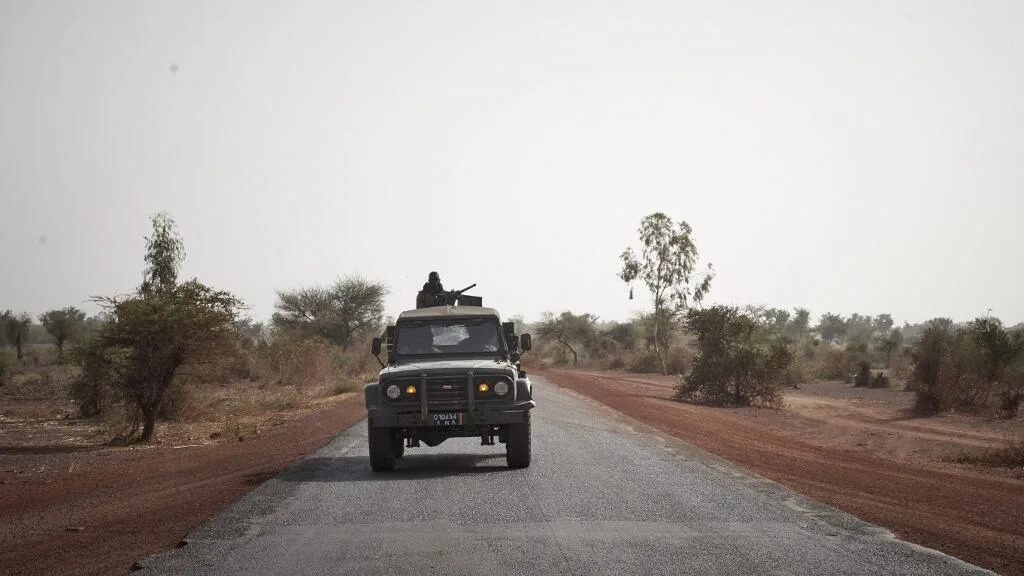
Despite these operations, a reinforcement convoy, comprising Malian soldiers and their Russian partners from the Africa Corps, was dispatched but ultimately failed to reach Kouakourou. The journey was fraught with peril, as jihadist forces repeatedly ambushed the convoy, launched drone attacks, and even destroyed a critical bridge. These persistent assaults forced the military contingent to abandon their advance and retreat to Djenné.
Displaced residents find refuge in schools and homes
With their village under jihadist control, all inhabitants of Kouakourou were compelled to flee. Many sought refuge in nearby communities such as Pora or Saba, where they found solace in the solidarity and warm reception from locals, despite the extremely challenging conditions. Others embarked on a grueling journey, some traveling nearly 40 kilometers on foot, to reach Djenné.
In Djenné, hundreds of displaced individuals—men, women, and children—are now being accommodated by host families or housed in a local school, where authorities are providing support. The National Directorate of Social Development has delivered several tons of food aid and mosquito nets to assist the vulnerable population, and donations continue to arrive. A number of residents have also traveled further afield, seeking safety and stability in the capital city, Bamako.