In recent months, nations and regions like Iran, Gaza, Russia, Venezuela, and Mali have frequently dominated global headlines, often for unsettling developments. Yet, a striking contradiction persists: access to a free and independent press in these critical areas is largely obstructed. Authorities in these countries meticulously control the narratives they wish to project to the world, limiting the flow of information.
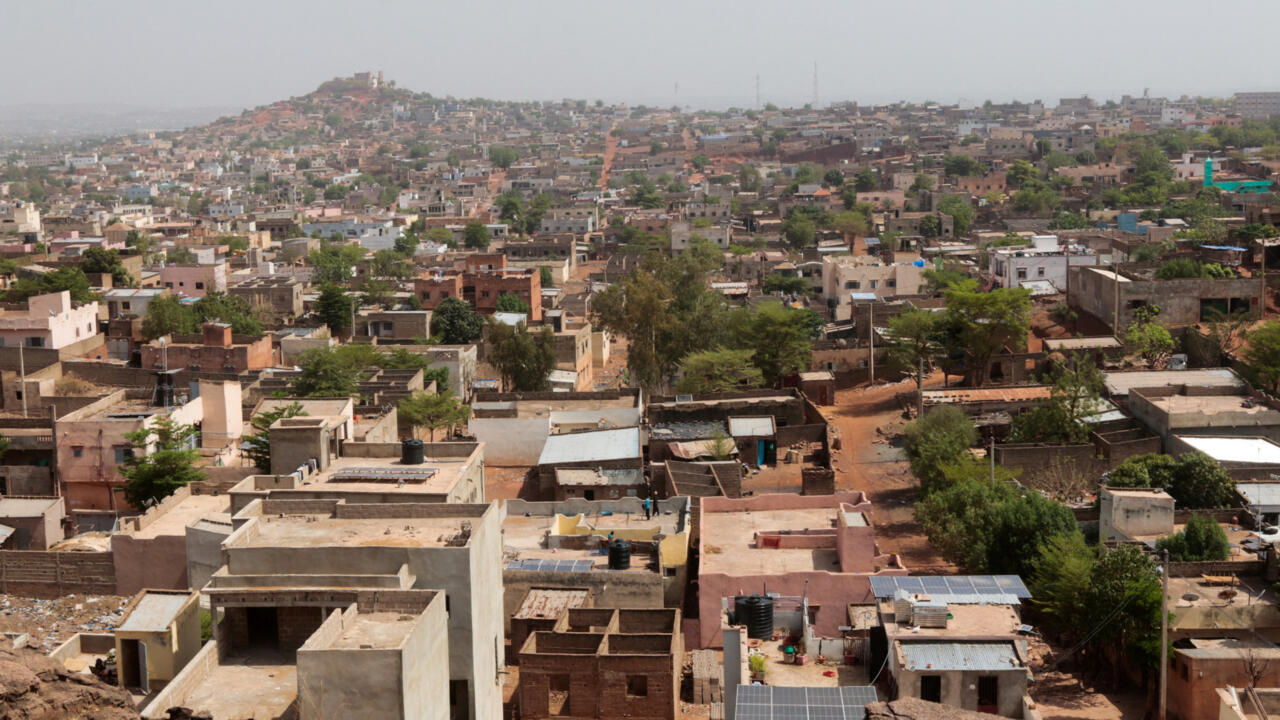
This reality is particularly evident in Mali, a nation grappling with widespread jihadist and Tuareg separatist attacks, such as those witnessed on April 25. Many francophone media outlets have faced suspension, accused of disseminating “disinformation.” This suppressive tactic is not unique to Mali; it has also been adopted by military regimes in neighboring Niger and Burkina Faso. Across the Sahel, there’s a discernible pattern of diminishing information space, coupled with governmental efforts to shape public discourse, censor dissenting voices, and penalize those who challenge the official line. Experts on West Africa’s human rights landscape have described the Sahel as an “information gulag,” noting that journalists in Burkina Faso, Mali, and Niger face threats and intimidation, leading to a “zombification” of citizens. This environment, where citizens are indoctrinated in a manner reminiscent of the Soviet era, is seen as a consequence of these countries’ growing alignment with Vladimir Putin’s Russia.
No criticism of Russia tolerated
Indeed, in Mali’s capital, Bamako, any dissent regarding Russia is taken seriously. The case of Ibrahima Tamega, a pro-democracy activist advocating for a return to constitutional order, illustrates this point. Tamega was detained on May 23 in Bamako on suspicion of involvement in anti-Moscow graffiti. While seemingly a minor incident, it carries significant political weight. Following its break with Paris, the Malian government has elevated its rapprochement with Moscow to a cornerstone of its sovereign narrative. Russia is portrayed as a respectful partner that offers support to the Malian Armed Forces in their territorial reconquest, without imposing conditions. There is no room for alternative perspectives.
The Tamega affair underscores the government’s sensitivity to any critique of its strategic new ally. In an already constrained political environment, where political parties, opposition figures, and activists operate under immense pressure, a simple mural becomes an act of defiance. The swift police response serves as a clear message to anyone contemplating challenging the Bamako-Moscow axis.
Prioritizing the leader over the nation
Further analysis of Mali’s political landscape reveals a concerning trend: the personalization of power around General Assimi Goïta. Researchers Salah Ben Hammou of Rice University and Hiba Naciri of the University of Montreal highlight how General Goïta, who holds both presidential and, more recently, defense minister portfolios, has centralized authority within the presidency. They observe that as power becomes concentrated in a single leader, decision-making tends to revolve around personal loyalty rather than the broader interests of the military or the nation itself.
This centralization, the researchers argue, often weakens the very institutions vital for effective governance and long-term stability. Armed forces may undergo restructuring not for operational efficiency, but primarily to protect the leader from rivals and internal threats. On the battlefield, such dynamics can severely impede coordination and diminish the army’s capacity to respond effectively to insurgent violence, posing significant security challenges for the nation.