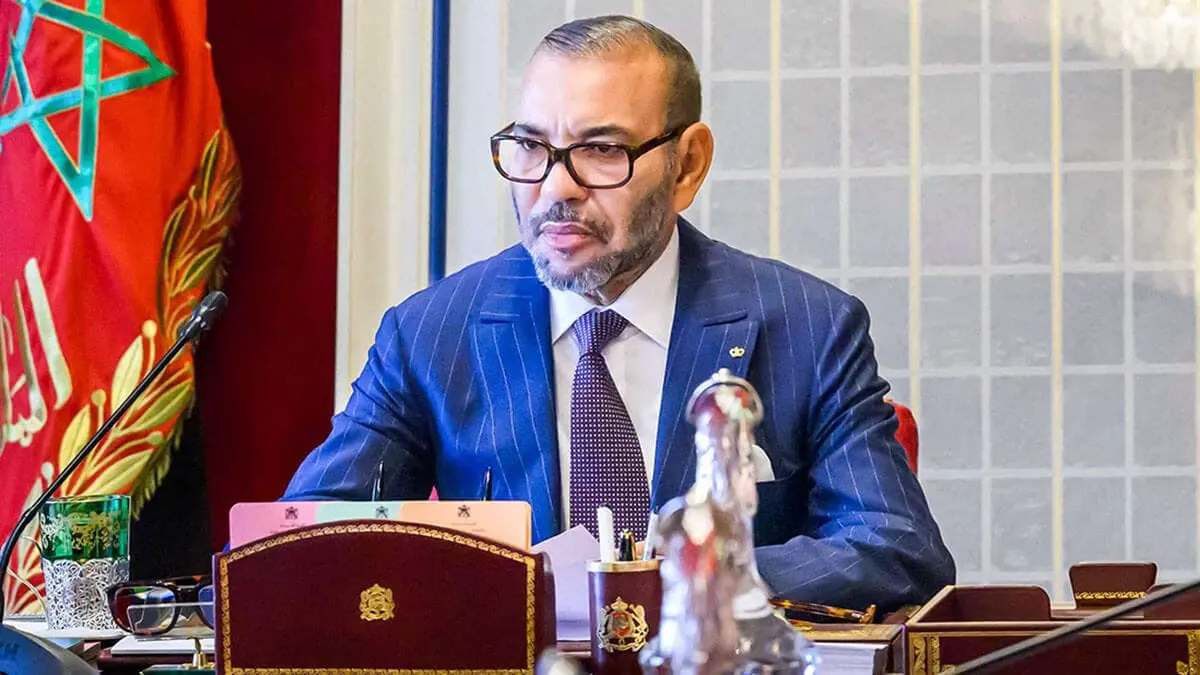
Morocco’s strategic role under King Mohammed VI’s leadership
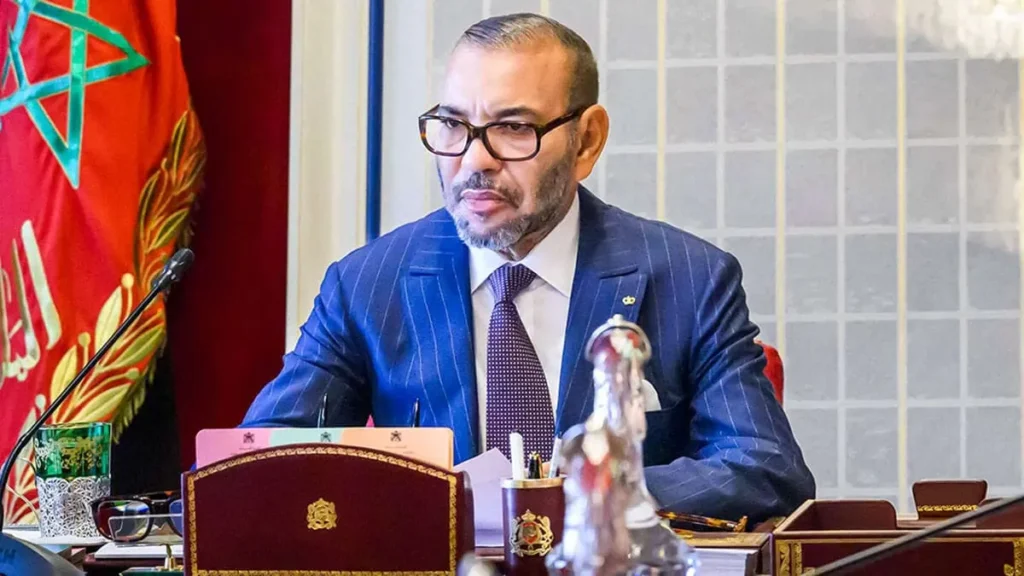
Morocco has risen to prominence as a leading political, economic, and social force, not just in Africa and the Arab world, but across the Mediterranean basin and globally.
German-Moroccan politician Anissa Saysay, a member of the Christian Democratic Union (CDU) and ally of German Chancellor Friedrich Merz, highlighted these achievements during an interview marking Throne Day. She emphasized that Morocco’s transformation into a modern, stable nation—under the enlightened guidance of His Majesty King Mohammed VI—has earned it international recognition.
This progress, she noted, stems from a long-term vision rooted in robust infrastructure investment and a commitment to economic sovereignty. The Kingdom’s strategic investments in ports, high-speed rail, airports, industrial and technological hubs, and key sectors like automotive and aerospace reflect this foresight.
Morocco’s unique position as a bridge between Europe, Africa, and the Arab world further strengthens its political and economic influence, Ms. Saysay observed. She also praised the Kingdom’s pioneering role in Africa’s energy transition, positioning it as a vital partner for Europe in renewable energy.
On the social front, she commended Morocco’s strides in social protection, healthcare access, education, and women’s rights, underscoring the holistic nature of its development model.
Discussing Morocco-Germany relations, she pointed to their steady improvement, with Morocco emerging as a key partner for Germany in North Africa due to its stability, dynamism, and strategic location. Germany, in turn, serves as a major collaborator for Morocco in technology, industry, vocational training, research, climate protection, and sustainable development.
Ms. Saysay stressed the importance of an equitable partnership built on mutual respect, shared interests, and open dialogue. At the heart of this collaboration, she argued, are Moroccan-German dual nationals, whose contributions span investment facilitation, knowledge exchange, educational partnerships, scientific cooperation, and social dialogue.
She described these individuals as invaluable assets, blending Germany’s institutional expertise and technological prowess with Morocco’s creativity, dynamism, hospitality, and regional networks. She further noted that Throne Day is more than a national celebration—it symbolizes the enduring bond between Moroccans worldwide and their homeland, its heritage, and its ongoing progress.