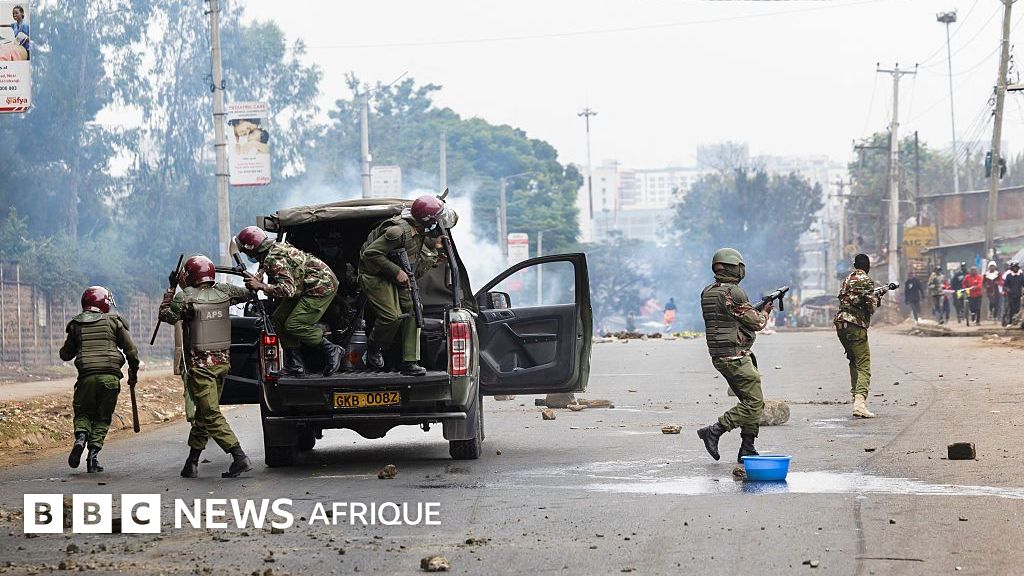
Across Sub-Saharan Africa, political dissent can land you in prison—or worse. Over recent decades, many governments have tightened their grip, stifling free speech, crushing opposition, and manipulating elections when they occur at all. The result? A continent where democratic freedoms are increasingly under siege.
Democracy in retreat
Out of 55 countries in Africa, a dozen have slid into fully closed autocratic rule, while 26 operate as electoral autocracies, according to the Varieties of Democracy (V-Dem) Institute’s 2026 global report. The findings paint a stark picture: global democracy has regressed to levels not seen since 1978. The “third wave of democratization,” which began in 1974 with Portugal’s Carnation Revolution and swept across continents, has nearly vanished.
V-Dem’s data shows that even in Western Europe and North America, democratic standards have dropped to their lowest in over half a century—driven largely by persistent autocratization in the United States. Across Africa, similar democratic backsliding has erased gains made 25 years ago, shattering hopes for a more open future.
“Almost every aspect of democracy has suffered severe decline over the past decade,” the report notes. “By 2025, freedom of expression had deteriorated in 44 countries, torture remained a tool to silence political opponents, and 33 nations experienced significant democratic erosion.” The institute identifies three alarming trends: weakening democracies in traditionally stable states; democratic collapse in countries that had successfully transitioned in the late 20th and early 21st centuries; and deepening autocracy in already authoritarian regimes.
Where most people live under authoritarian rule
As of late 2025, the world counted 92 autocracies—outnumbering democracies for the first time in decades. A staggering 74% of the global population (6 billion people) now lives under autocratic rule, compared to just 7% in liberal democracies. In Sub-Saharan Africa, the situation is particularly dire: 66% of the population resides in closed autocracies, while 48% live under electoral autocracies like Ethiopia, Tanzania, and Uganda. Only 10% enjoy even limited electoral democracy, and just 24% live in “gray zone” democracies such as Kenya and Nigeria.
Ten of Africa’s most repressive governments
1. Eritrea
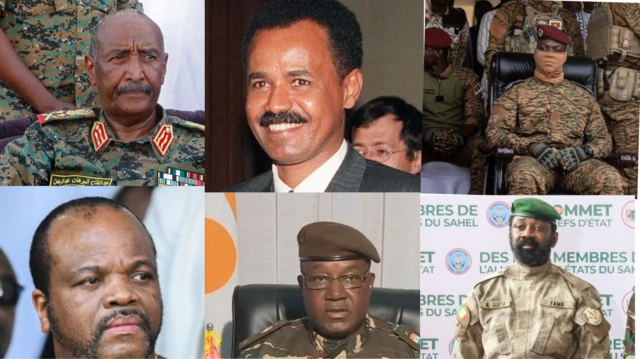
Eritrea’s brief flirtation with openness in the mid-1990s—marked by independent newspapers and draft electoral laws—ended abruptly in 2001. That September, authorities shuttered all critical media, arrested journalists, and detained 11 members of the G-15 opposition group, including former foreign ministers and military leaders. None have been seen since. President Isaias Afwerki has ruled for decades without ever holding a presidential election.
2. Burkina Faso
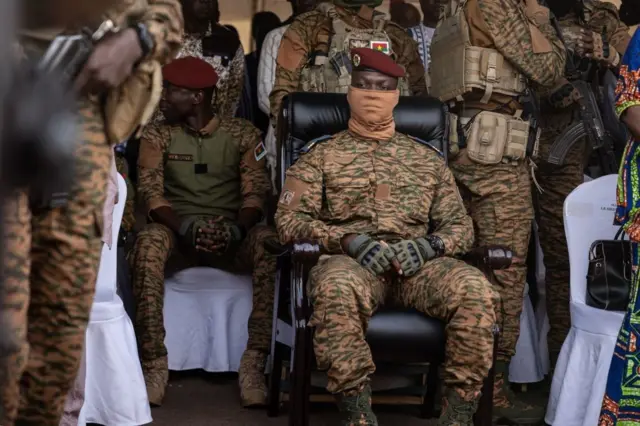
Since seizing power in September 2022, Captain Ibrahim Traoré has systematically dismantled democratic institutions. His regime suspended international media outlets, dissolved the Independent National Electoral Commission in October 2025, and banned all political parties in February 2026. In a televised address on April 2, 2026, Traoré urged Burkinabè to “forget about democracy,” declaring bluntly, “Democracy is not for us.” Critics face abductions, forced conscription into frontline military service, and brutal repression.
3. Mali
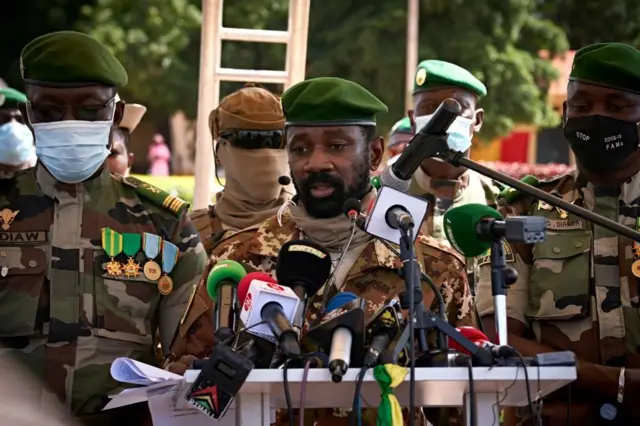
Mali’s democratic journey began in 1991 when a popular uprising ended the dictatorship of General Moussa Traoré. Under President Alpha Oumar Konaré, the country became a regional model of pluralistic governance. Today, it has regressed to its authoritarian past. Since two coups in 2020 and 2021, the military has dissolved political parties, jailed opposition leaders, and stifled civil society. Journalists and activists have fled the country, and the junta shows no signs of returning to constitutional order, despite its initial four-year transition pledge.
4. Niger
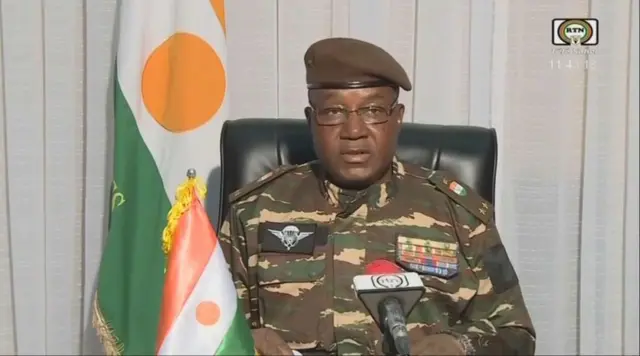
Niger transitioned from single-party rule to multiparty democracy in the 1990s. Civilian governments followed, including President Mahamadou Issoufou’s administrations. But the 2023 coup that ousted Issoufou’s successor, Mohamed Bazoum, reversed democratic progress. The new military regime banned political parties, postponed elections indefinitely, and suppressed dissent. Freedom of expression has been severely curtailed, with critics facing intimidation and arrest.
5. South Sudan
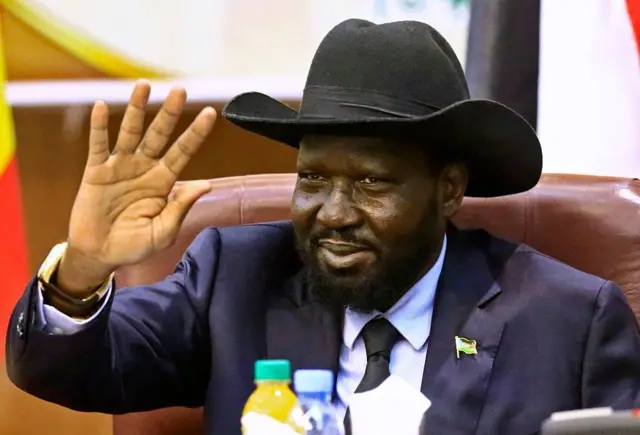
Since its 2011 independence, South Sudan has been dominated by the Sudan People’s Liberation Movement (SPLM), led by President Salva Kiir. The ruling party controls the state apparatus, leaving no room for democracy. Civil war since 2013 has pitted Kiir against his former deputy, Riek Machar. With no elections held since independence, citizens have never experienced democratic choice.
6. Sudan
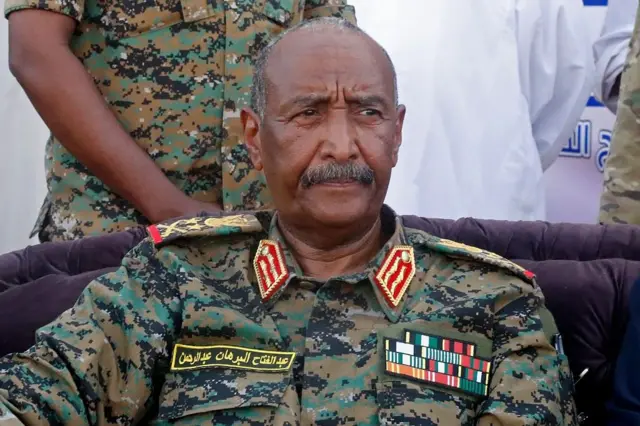
General Abdel Fattah al-Burhan heads Sudan’s military-led government amid a brutal civil war. Government forces battle the Rapid Support Forces (RSF), a paramilitary group accused of widespread human rights abuses. The conflict has entrenched authoritarian rule, with no path toward democratic governance in sight.
7. Somalia
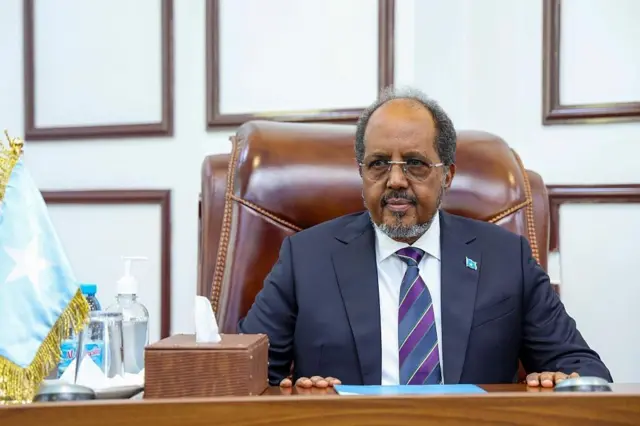
Somalia has not held free elections since Siad Barre’s 1969 coup ended multiparty politics. His authoritarian regime plunged the country into civil war in the 1990s. Recent efforts to restore universal suffrage and multiparty elections offer a glimmer of hope, but the path remains uncertain.
8. Guinea
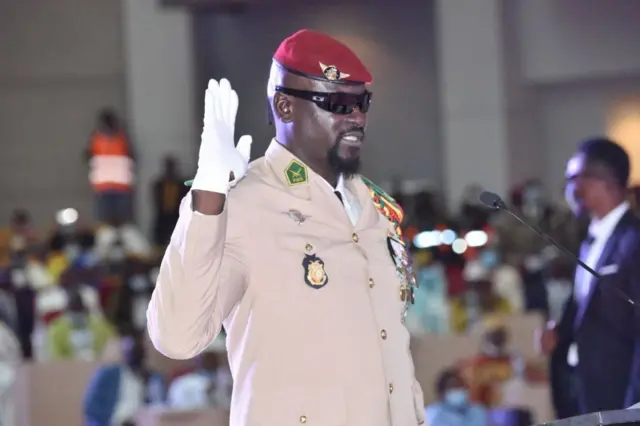
General Mamady Doumbouya seized power in 2021 and won a widely criticized December 2025 presidential election with 86.72% of the vote. His regime has banned opposition parties, restricted protests, and sanctioned media outlets. Civil society groups warn of a growing authoritarian drift, with rising arrests and unexplained deaths in custody.
9. Eswatini
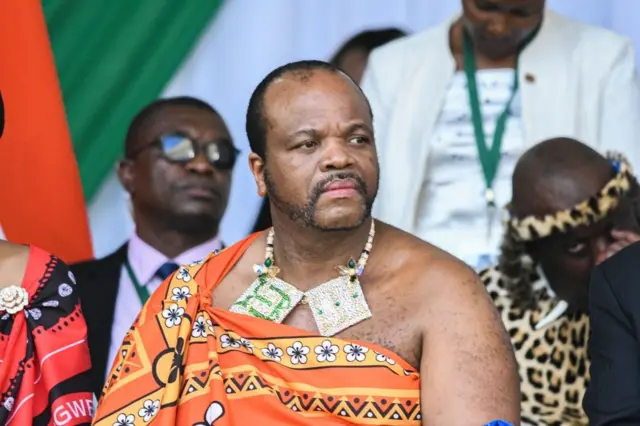
King Mswati III wields absolute power in Eswatini, controlling the executive, legislature, and judiciary. Since a 1973 royal decree banned political parties, elections have become mere rituals: 10 of the 69 parliamentary seats are appointed directly by the monarch. Critics describe the system as “non-election,” where political ideas cannot be freely expressed.
10. Guinea-Bissau
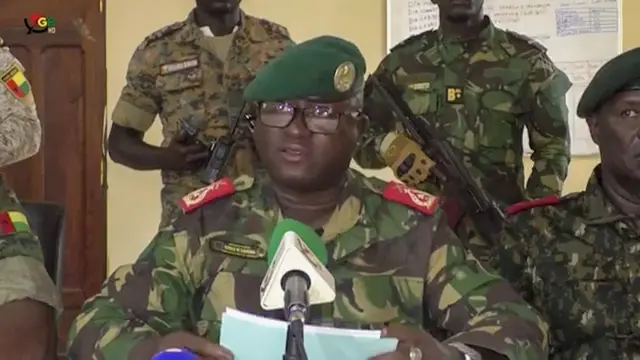
Guinea-Bissau has long suffered political instability, drifting further from democratic norms. In November 2025, as vote counting in a closely contested presidential election unfolded, soldiers stormed the scene and overthrew President Umaro Sissoco Embaló—who publicly acknowledged the coup. Political opponents now face restrictions, raising serious concerns about civil liberties and the future of pluralism.