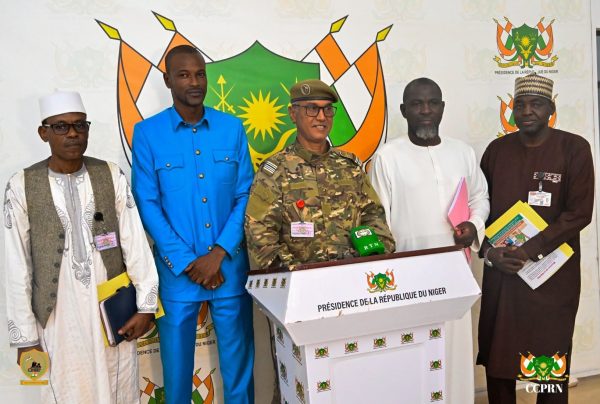
Niamey is witnessing a historic turning point in the fight against financial mismanagement and corruption. During a solemn ceremony at the presidential palace on August 5, 2026, officials unveiled the first major financial results of Operation “Clean Hands,” spearheaded by the COLDEFF, a specialized body tasked with eradicating financial crime and reclaiming embezzled funds for the public good.
The figures are staggering: over 74 billion West African CFA francs have been recovered and deposited directly into the national treasury. This unprecedented recovery marks a significant acceleration in asset seizures, with an additional 12 billion FCFA reclaimed within just one year. Notably, this total does not include seized real estate, confiscated vehicle fleets, or other movable assets surrendered under pressure by defaulting debtors.
Penalties target wallets, not prison cells: the CNSP’s bold strategy
The head of state, addressing the COLDEFF leadership, emphasized the government’s pragmatic approach. Rather than pursuing punitive prison sentences, the authorities have adopted a financial deterrent model, focusing on recovering stolen wealth to heal the nation’s economic wounds.
In a carefully worded statement, the president underscored the need to avoid excessive judicial measures that could disrupt international relations. The message is clear: every last franc must be repaid, but dignity will be preserved for those who comply in good faith.
As Nigerians and international observers speculate about the fate of these recovered billions, one question looms large: will these funds finally ease the hardships facing ordinary citizens in a nation grappling with climate challenges and developmental hurdles? One thing is certain—the COLDEFF remains relentless in its pursuit of illicit gains.