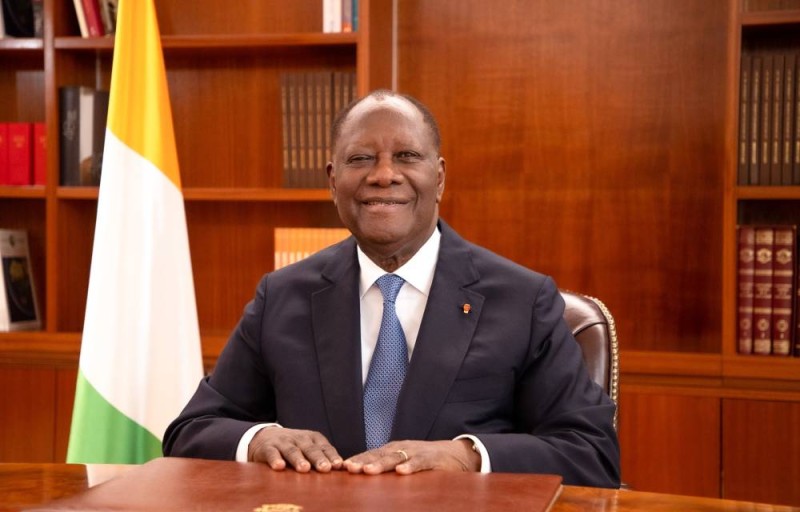
As Côte d’Ivoire gears up to mark its 66th year of independence on August 7, 2026, the nation turns a collective gaze toward President Alassane Ouattara’s annual address—a speech now synonymous with pivotal policy announcements and national reflection.
The eve of this historic milestone provides a timely opportunity to assess the country’s trajectory. While Côte d’Ivoire’s economic growth continues to draw international praise, the reality on the ground tells a more nuanced story. Citizens are not merely celebrating past achievements; they are demanding tangible improvements in their daily lives, from soaring living costs to persistent challenges in job creation and public services.
Economic pressures and the quest for stability
The rising cost of essential goods, housing, and utilities has eroded household purchasing power, leaving many families struggling to make ends meet. In response, analysts anticipate concrete measures in President Ouattara’s address to stabilize prices and bolster consumer protection. Meanwhile, the persistent youth unemployment crisis remains a flashpoint, with thousands of graduates entering the workforce each year. The president’s proposals for vocational training, entrepreneurship support, and private sector incentives could signal a turning point in addressing this critical issue.
Agriculture: the backbone under pressure
The agricultural sector, the lifeblood of Côte d’Ivoire’s economy, faces its own set of challenges. Cocoa, coffee, rubber, and cashew producers—key drivers of export revenue—are grappling with volatile global markets, limited access to financing, and climate-related disruptions. Expectations are high for policies that would enhance income stability, expand credit access for farmers, and fortify resilience against external shocks. The stakes are high: a thriving agricultural sector is essential for rural development and national food security.
Infrastructure and regional equity: closing the gap
Decades after independence, disparities between urban and rural areas remain stark. Communities outside Abidjan and other major cities continue to demand better roads, reliable electricity, clean water, and improved healthcare and education facilities. Public infrastructure projects, particularly in neglected regions, are seen as a catalyst for balanced growth and social cohesion. The president’s commitments in this arena could redefine Côte d’Ivoire’s development narrative.
Healthcare and education: building a foundation for the future
The call for universal healthcare coverage resonates louder than ever, with citizens urging the expansion of the Couverture maladie universelle (CMU) to ensure no one is left behind. Similarly, education reform tops the agenda, with demands for higher-quality schooling, teacher training, and vocational programs that align with labor market needs. These sectors are not just pillars of national progress; they are critical to breaking cycles of poverty and fostering long-term prosperity.
Security and governance: safeguarding the nation’s future
In a region grappling with instability, Côte d’Ivoire’s security posture remains a top priority. The president’s address is expected to outline strategies to counter terrorism, strengthen border security, and reinforce national cohesion. Equally pressing is the fight against corruption—a scourge that undermines public trust and diverts resources from essential services. Modernizing public administration and accelerating digital transformation are seen as key steps toward a more transparent and efficient government.
Investment and industrialization: charting a path forward
Economic diversification and job creation hinge on attracting investment and fostering industrial growth. Business leaders are looking for signals of support—streamlined regulations, tax incentives, and partnerships that can unlock Côte d’Ivoire’s potential as a regional economic powerhouse. The president’s vision for industrialization could redefine the country’s role in West Africa’s economic landscape.
Unity and democracy: a nation at a crossroads
Sixty-six years after gaining independence, Côte d’Ivoire stands at a pivotal juncture. The president’s address will be scrutinized not only for policy announcements but also for its tone—one that could either deepen divisions or unite a diverse nation. A commitment to inclusive dialogue, national reconciliation, and democratic resilience may well be the most powerful message of all.
For Ivorians, the 2026 independence celebration is more than a ritual; it is a moment of reckoning. The president’s words will shape the nation’s path forward, determining whether Côte d’Ivoire’s economic promise translates into shared prosperity for all.