Benin Senate inaugurated: a new chapter for governance and stability
July 30, 2026
The Senate of Benin has been officially activated with the swearing-in of its 25 members, including former presidents. This long-awaited institution, established through the November 2025 constitutional reform, is designed to serve as a regulatory body and a council of elders aimed at safeguarding social peace.
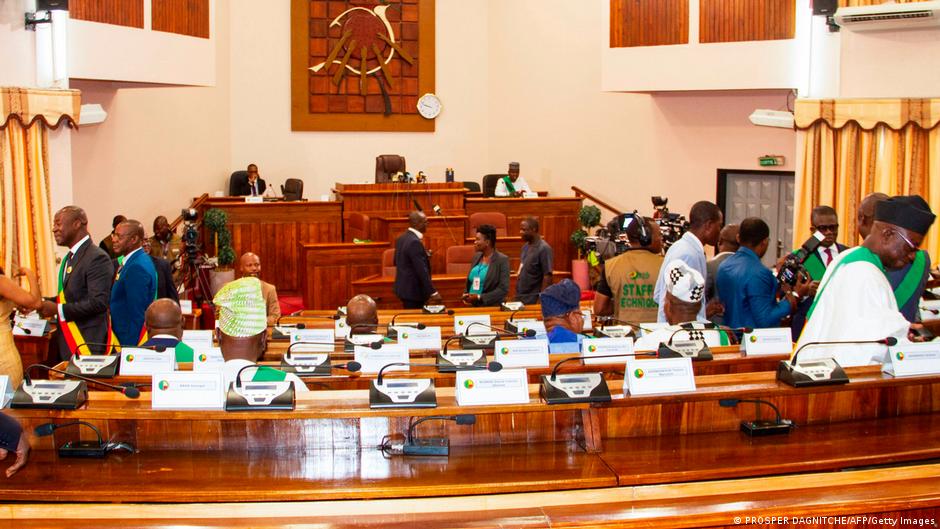
Senators gather ahead of official installation
Just days before its formal launch, the newly elected senators convened in Cotonou under the leadership of Robert Dossou, former president of the Constitutional Court. During the closed-door meeting, they laid the groundwork for their legislative agenda. The primary expectation surrounding this Senate is its potential to ease political tensions, drawing on the collective wisdom of its members—both ex-officio and appointed—to prevent future conflicts.
“We have high hopes for this chamber,” says governance expert Joël Atayi-Guèdègbé. “Given the caliber of individuals set to serve—each bringing decades of experience—there is no room for error. This Senate must rise above past political rivalries and act as a true forum for wisdom and moderation.”
Institutional balance and political harmony
The Senate includes prominent figures such as former presidents Patrice Talon, Boni Yayi, and Nicéphore Soglo—leaders who have not always shared the same political views. For citizens and analysts alike, this institution represents a critical step toward institutional regulation and long-term social stability, even as it allows for dissenting voices within the political landscape.
“This Senate could be the bridge we need to heal past divisions,” notes political analyst Eugène Allossoukpo. “After years of political strife driven by competing interests, we are finally moving toward a more balanced and peaceful political ecosystem. It won’t silence disagreements, but it will ensure they are managed constructively.”

The financial implications of the new Senate
One of the most pressing questions remains the financial cost of this new institution. The government has already allocated 100 million West African CFA francs solely for the inauguration ceremony, raising concerns about additional recurring expenses.
“While the Senate’s size is modest, it will inevitably lead to increased public spending,” acknowledges Joël Atayi-Guèdègbé. “We must hope that the number of extraordinary sessions remains limited and that the compensation for senators remains proportionate. Democracy, after all, comes with a price—but it is one worth paying for stability and progress.”
With all eyes now on the Senate’s leadership, speculation is rife about whether former president Patrice Talon will assume the presidency of the chamber. As Benin’s 25 inaugural senators take office today, their greatest challenge will be to demonstrate that this new democratic investment is both necessary and justified.