Tensions have reignited between Morocco’s Party of Justice and Development (PJD) and the Justice and Spirituality Movement (Al Adl Wal Ihsane) amid a renewed debate over the relevance of electoral processes in the North African kingdom.

a clash rooted in opposing visions
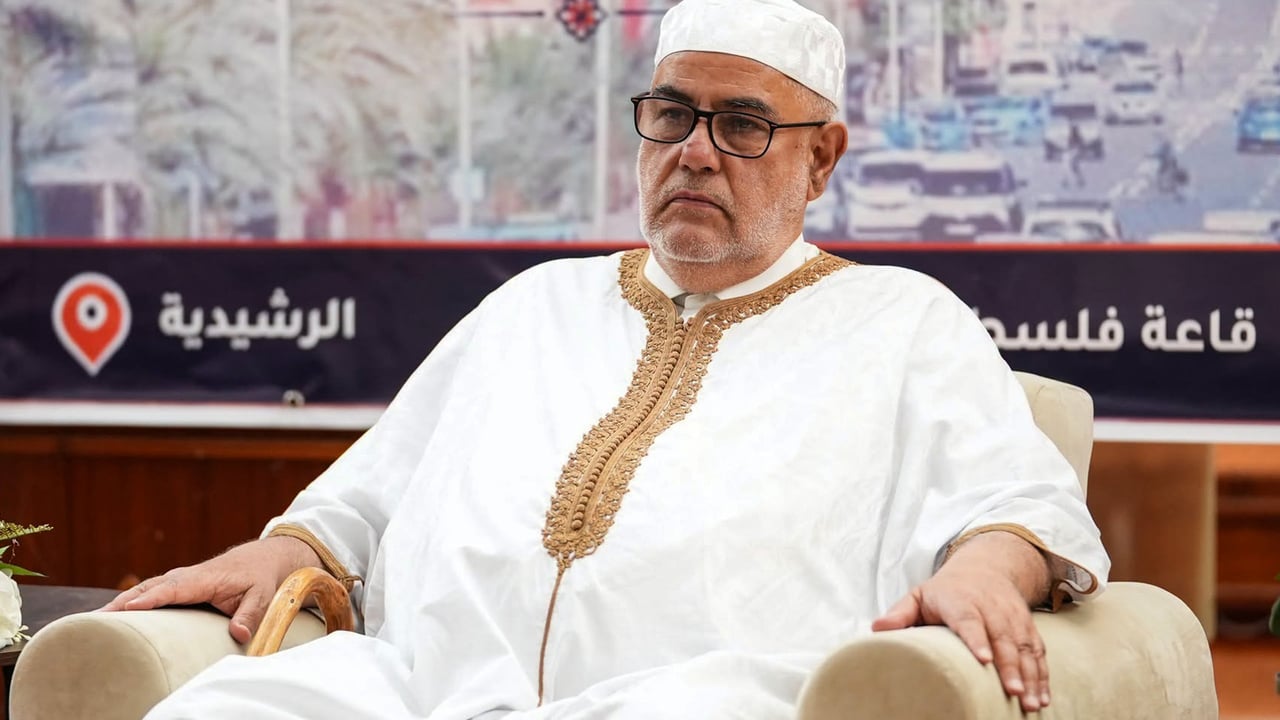
The dispute between the two political forces centers on fundamentally different interpretations of democracy and governance in Morocco. While the PJD, led by figures like Abdelilah Benkirane, has historically engaged in electoral politics, Al Adl Wal Ihsane maintains a longstanding stance of rejecting participation in state-sponsored elections, viewing them as instruments of a system it opposes.
The recent exchanges highlight a growing friction, particularly as Morocco approaches a critical electoral cycle. The PJD’s advocacy for political participation clashes sharply with the movement’s refusal to endorse the electoral process, framing it as a tool of political marginalization rather than democratic representation.
historical tensions and evolving dynamics
This debate is not new; it has simmered beneath the surface for years. The PJD, once a dominant force in Moroccan politics, has seen its influence wane following electoral setbacks and internal divisions. Meanwhile, Al Adl Wal Ihsane, despite its non-participation in elections, continues to wield significant moral and social influence, particularly among segments of the population disillusioned with traditional politics.
- PJD’s perspective: Participation in elections is essential for incremental reform and ensuring a voice in governance structures.
- Al Adl Wal Ihsane’s stance: The electoral system is inherently flawed and serves only to legitimize a political order that excludes broad segments of society.
public reactions and political implications
The renewed debate has sparked mixed reactions across Morocco. Supporters of the PJD argue that electoral participation is the only viable path toward meaningful change, while critics of the system echo Al Adl Wal Ihsane’s skepticism, questioning the authenticity of Morocco’s democratic processes.
Analysts suggest that this clash could reshape the political landscape ahead of upcoming elections, with both sides attempting to sway public opinion. The PJD may seek to reclaim its relevance by emphasizing its role in institutional politics, while Al Adl Wal Ihsane could intensify its efforts to mobilize those who reject the status quo.