Rwanda warns against eliminating M23 rebel group amid escalating tensions
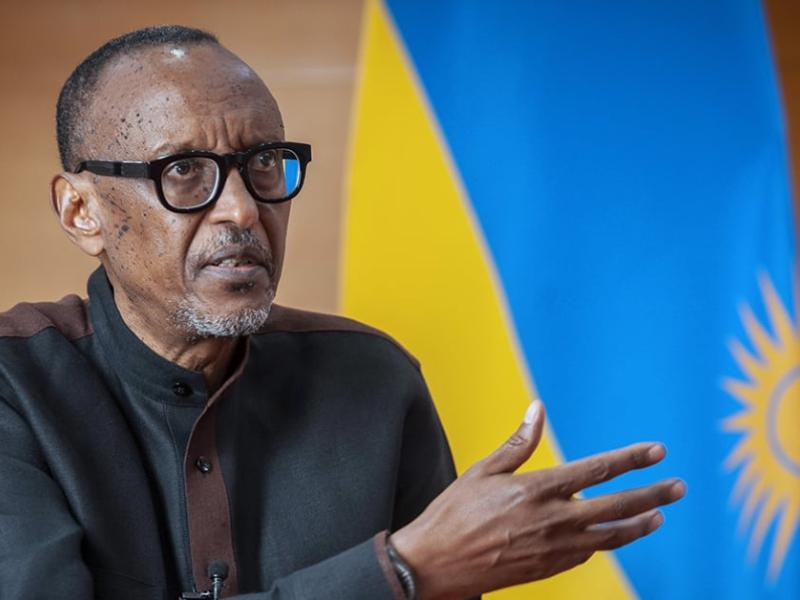
Rwanda’s President Paul Kagame has issued a strong warning against any attempts to eliminate the M23 rebel group, stating that such actions would also threaten the existence of Rwanda itself. Speaking during a meeting with the Rwandan Patriotic Front (RPF) Political Bureau on July 17, 2026, Kagame addressed rising tensions in the Great Lakes region, where armed conflicts continue to destabilize the area despite ongoing diplomatic efforts.
Rwanda’s unwavering stance on security and sovereignty
Facing international sanctions and criticism over Rwanda’s alleged support for the M23, Kagame emphasized that attempts to silence Rwanda would be met with resistance. He warned that any efforts to undermine the country’s security would be considered an existential threat.
« Attempts to silence us will be more difficult than some might imagine. Telling us to remain silent is like telling others to support those who wish to come and kill you, as they have done before, and we will handle the situation on our own terms. The only way to silence me is when I am dead. That is the reality. »
Kagame also rejected any suggestion that the lives of some individuals hold greater value than others, affirming that Rwanda’s sovereignty and security are non-negotiable, regardless of the country’s size or perceived vulnerabilities.
« We reject the idea that some lives matter more than others. This is not the policy of Rwanda or the RPF. We are a small country, often overlooked, but you can harm us. However, wishing for our disappearance is not a minor issue. »
The M23 controversy and regional security concerns
The M23 rebel group, which controls large parts of the Democratic Republic of the Congo’s North Kivu and South Kivu provinces, has been a major source of conflict in the region. While the United Nations and several Western countries accuse Rwanda of supporting the group—a claim Kigali denies—Kagame framed the discussion not just about the rebel movement but about Rwanda’s own survival.
« When they say they will eliminate the M23, they mean eliminating Rwanda. We will not stand by idly if that becomes a reality. I cannot wish for such a scenario, nor can I desire it. But if it happens, and we are unable to prevent it, I believe they will find us prepared. »
Diplomatic impasse and growing instability
Despite agreements like the Washington Accord and ongoing diplomatic initiatives such as the Doha Process—mediated by Qatar—efforts to resolve the crisis have stalled. The latest round of negotiations in Montreux, Switzerland, failed to produce meaningful results, further complicating peace efforts in the region. The deterioration of the security situation in the Middle East has also diverted attention away from the conflict in the Great Lakes, slowing down mediation efforts.
Calls for compliance with peace agreements continue to grow at national, regional, and international levels, yet tangible progress remains elusive. Each party interprets the terms of agreements differently, making implementation increasingly uncertain. The gap between diplomatic promises and ground realities persists, leaving the future of the region uncertain.
- Politics