Senegal’s constitutional council blocks Pastef reforms, weakening Sonko
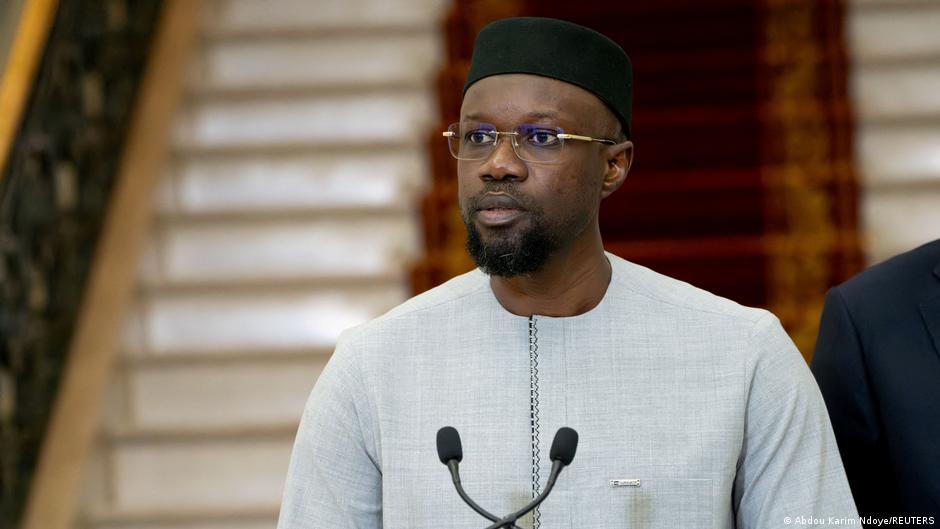
July 10, 2026Senegal’s Constitutional Council has delivered a decisive ruling against the institutional reform bill championed by the ruling Pastef party and its leader Ousmane Sonko. The Council found the proposed amendments to the Constitution fundamentally flawed, dealing a significant setback to Sonko’s political agenda.
The reform package, which had passed through the National Assembly with the ruling party’s comfortable majority, aimed to rebalance institutional powers. However, the Constitutional Council identified two critical constitutional violations: the absence of a clear funding mechanism for the proposed Constitutional Court and procedural irregularities in the parliamentary review of government amendments.
The President of Senegal, Bassirou Diomaye Faye, had personally referred the bill to the Constitutional Council for review, triggering what many see as a growing rift between the presidency and the National Assembly leadership.
Political fallout and constitutional implications
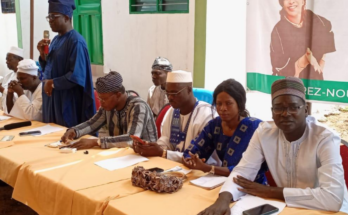
Adji Diarra Mergane Kanouté, former deputy and leader of the USD/A party, emphasized that while the ruling invalidates the current reform proposal, it doesn’t permanently close the door on constitutional changes. She noted that any future reform must comply strictly with constitutional requirements, particularly regarding public expenditure and parliamentary procedures as outlined in Article 82 of the Constitution.
“The Council’s decision confirms that even with a parliamentary majority, constitutional amendments must follow proper procedures and include compensatory funding mechanisms. The Assembly cannot bypass established legal frameworks when implementing reforms that create new public institutions or financial obligations.”
The rejected reform included provisions to strengthen parliamentary investigative powers, particularly in overseeing natural resource contracts and expanding oversight into previously restricted areas. The Council ruled that the Assembly had violated proper parliamentary procedures by refusing to apply the blocked voting procedure requested by the government.
Diverging political reactions
Ousmane Sonko acknowledged the Constitutional Council’s decision in a public statement, while the presidential coalition defended the proper functioning of Senegal’s institutions and called for continued dialogue on reform initiatives.
Dr. Binette Ndiaye, coordinator of the Citizen Forum, praised the Constitutional Council’s ruling, stating that it reinforces the principle of inclusive governance in Senegal’s democracy.
“As a civil society representative, I believe this decision should be celebrated. The initial reform process lacked the necessary inclusivity and consensus-building that our democracy requires. The Council has rightly reminded us that even with a parliamentary majority, we must respect constitutional principles and engage in meaningful dialogue with all stakeholders.”
Deepening political tensions in Senegal
The Constitutional Council’s decision arrives amid escalating tensions between Senegal’s two most prominent political figures. Ousmane Sonko, who was removed from the Prime Minister’s office in May, has since assumed the presidency of the National Assembly. However, his relationship with President Bassirou Diomaye Faye has visibly deteriorated, with Sonko recently describing their working relationship as a form of “cohabitation.”
Political observers suggest that this constitutional setback may represent another chapter in the intensifying power struggle at the highest levels of Senegalese politics, potentially reshaping the country’s political landscape in the coming months.