The Senegalese government has initiated substantial budget cuts, amounting to several hundred billion CFA francs, in a critical effort to safeguard the stability of its public finances. This decisive action comes as the Economic and Social Recovery Plan (PRES) has significantly underperformed, failing to generate the anticipated revenues. The executive branch, led by Prime Minister Ousmane Sonko, is now focused on bridging a substantial budgetary deficit that poses a direct threat to the financial trajectory established at the start of the fiscal year.
economic recovery plan falls short of revenue targets
Initially envisioned as the cornerstone of the new administration’s fiscal consolidation strategy, the PRES was designed to mobilize additional resources. These funds were intended to reduce the inherited deficit and finance the government’s key social priorities. However, initial financial reports reveal a different picture. Both fiscal and non-fiscal revenues projected under this plan are experiencing worrying delays, thereby undermining the macroeconomic assumptions upon which the current finance law was based.
The resulting shortfall necessitates difficult decisions. Rather than allowing the deficit to widen further or resorting to extensive new borrowing, particularly in an environment of rising debt costs, Senegalese authorities have opted for a path of fiscal discipline. Consequently, hundreds of billions of CFA francs in spending authorizations have been frozen or eliminated across various ministerial departments. This move aims to realign actual expenditures with available revenues.
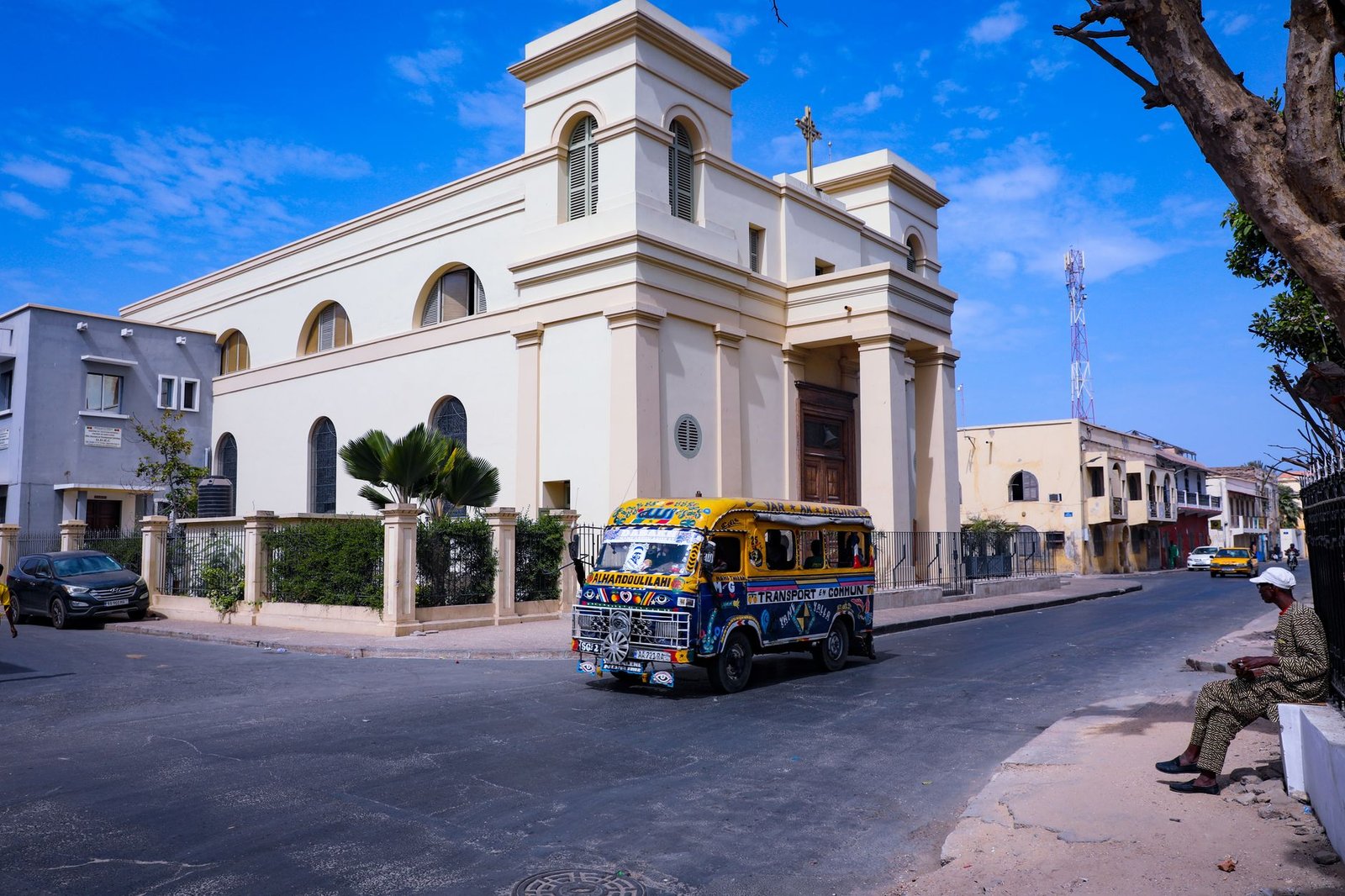
maintaining fiscal equilibrium under pressure in Dakar
An internal warning was unequivocally clear: without immediate corrective action, the nation’s budgetary equilibrium would be jeopardized. This stark assessment, echoed in official policy documents, underscores the urgency of the response. Senegal has made firm commitments to its multilateral partners, notably the International Monetary Fund (IMF), to adhere to strict deficit targets as part of its program with Washington. Any deviation from these targets could compromise future disbursements and increase the cost of accessing international financial markets.
The regional context also exerts pressure. Within the West African Economic and Monetary Union (UEMOA), Dakar is obligated to maintain a public deficit below 3% of its Gross Domestic Product, a convergence standard frequently emphasized by community institutions. Revelations made in September 2024 by the Court of Accounts regarding the true extent of public debt had already prompted the country to renegotiate its relationships with financial backers. The recently announced budget cuts are a continuation of this ongoing effort to ensure accounting consistency.
high-stakes political decisions for sonko’s administration
For the executive duo, President Bassirou Diomaye Faye and Prime Minister Ousmane Sonko, this exercise is particularly delicate. Elected on promises of economic transformation and tangible improvements in living standards, they must now reconcile stringent budgetary orthodoxy with significant public expectations. The cuts will inevitably impact investment spending, which is often easier to defer than operational costs, as well as certain transfer payments. Several ministerial departments are consequently facing unprecedented reductions in their budgetary allocations compared to previous years.
The chosen course of action carries inherent political risks. Reducing funding for infrastructure projects or sectoral subsidies in a nation just emerging from a period of institutional instability could potentially fuel public discontent. Conversely, allowing the deficit to spiral would expose Senegal to an accelerated downgrade of its sovereign rating, which is already under close scrutiny by major agencies. Both Moody’s and S&P Global Ratings are carefully monitoring the government’s ability to uphold its fiscal commitments.
The question of timing remains crucial. The announced budget cuts must yield their intended effects before the close of the fiscal year, necessitating the rapid implementation of spending freeze directives and strict discipline from spending authorities. Oversight will primarily fall to the Ministry of Finance and Budget, working in close collaboration with the Primature. The ability to rebuild revenues in 2025, through more effective tax reform and enhanced mobilization of internal resources, will ultimately determine the duration of this period of austerity.
Beyond the immediate impact, this latest development highlights the limited fiscal flexibility Senegal genuinely possesses to fund its ambitious economic transformation agenda. The budgetary reallocations, totaling hundreds of billions of CFA francs, are explicitly designed to protect the national budget’s equilibrium, which has been jeopardized by the underperformance of the PRES.