“Preordained outcomes”, “lackluster contests”, “incumbent presidents sweeping first-round victories”. The presidential elections across Africa in 2025 followed a troubling pattern: opposition candidates were systematically sidelined even before campaigns officially began. Recent examples include
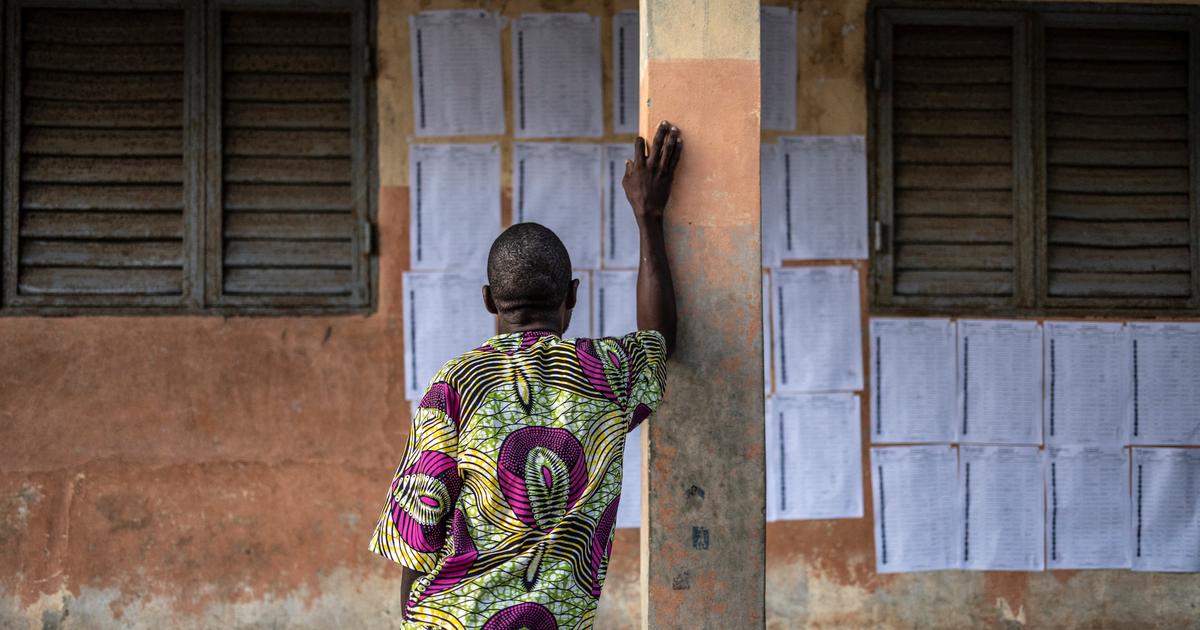
In Djibouti, the April 10 vote saw incumbent president Ismaïl Omar Guelleh secure a sixth term with 97.8% of ballots, while in Bénin, techocrat Romuald Wadagni—handpicked successor to Patrice Talon—clinched 94% of the vote. Both contests unfolded under the shadow of overwhelming opposition suppression.
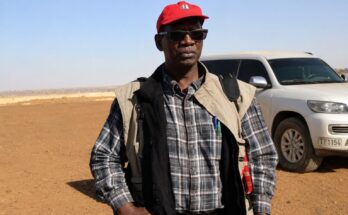
In Djibouti, aspiring opposition leader Alexis Mohamed withdrew his candidacy after citing prohibitive nomination fees as an insurmountable barrier. While he also raised concerns about personal safety, financial hurdles proved decisive. Observers now describe the election as little more than a “ceremonial exercise”, devoid of genuine competition.
When money trumps democracy
This phenomenon is not isolated. Across West Africa, presidential hopefuls routinely face exorbitant campaign costs that dwarf average incomes, effectively pricing out all but the wealthiest contenders. Djibouti’s nomination fees—reportedly reaching millions of Djiboutian francs—illustrate how financial barriers can neutralize political rivals before a single ballot is cast.
Bénin’s electoral commission set registration fees at staggering levels, mirroring Djibouti’s approach. Critics argue these measures systematically exclude grassroots candidates, reinforcing one-party dominance. The result? Elections that prioritize wealth over representation, where victory is predetermined by financial means rather than voter will.
Beyond Djibouti and Bénin
Similar dynamics have played out in other African nations. High registration costs, coupled with opaque eligibility criteria, create a two-tier system where only establishment-backed candidates can realistically compete. This trend raises urgent questions about electoral integrity and the erosion of democratic norms on the continent.
As West African democracies grapple with these challenges, the message is clear: unrestricted campaign financing is becoming the ultimate disqualifier for opposition voices, turning elections into exercises in controlled spectacle rather than genuine choice.
Related Posts