Three years have passed since Niger entered a period of political, economic, and security turmoil following the military takeover in July 2023. What was initially framed as a historic turning point to restore national sovereignty was also supposed to enhance security, revive the economy, and strengthen national unity. Yet, as the junta celebrates its longevity, the daily lives of Nigeriens remain mired in hardship, with few signs of the promised improvements.
Economic strain and mounting hardships
The economic fallout from this prolonged crisis has left virtually no sector unscathed.
Trade disruptions with neighboring countries, supply chain failures, the impact of early sanctions, and a sharp decline in foreign investment have crippled economic activity. Businesses have scaled back operations or shuttered entirely, while job opportunities have dwindled across key industries.
Markets now reflect the harsh reality faced by households: soaring prices for food staples, fuel, and everyday goods have eroded purchasing power month after month. Local governments, traders, and farmers struggle with restricted credit access and financial constraints, further stifling private initiative and investment.
Civic space shrinking under military oversight
Beyond economic woes, human rights organizations warn of a tightening grip on public freedoms.
Criticism of the authorities is increasingly met with legal repercussions, creating a climate of fear among civil society actors. Independent media outlets operate under heightened scrutiny, with journalists reporting growing intimidation and professional restrictions. Public gatherings are heavily restricted, and political demonstrations remain tightly controlled, leaving little room for opposition voices or grassroots mobilization.
Faced with these constraints, many citizens opt for silence, while others choose the path of exile to escape repression and uncertainty.
Security crisis persists despite military promises
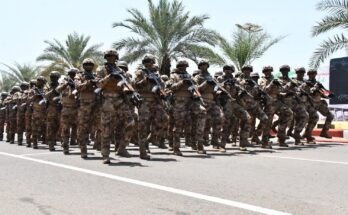
The junta’s rise to power was justified, in part, by the pledge to defeat armed groups terrorizing the country. However, despite military restructuring and new security partnerships, attacks attributed to these groups continue to devastate regions near the borders.
Inhabitants of these areas endure ongoing violence, forced displacement, and severe shortages of essential services. Villages remain trapped in perpetual insecurity, disrupting agriculture, education, and local economies. The persistence of these threats raises serious questions about the effectiveness of the current counterterrorism strategy.
Official rhetoric fails to resonate with mounting frustrations
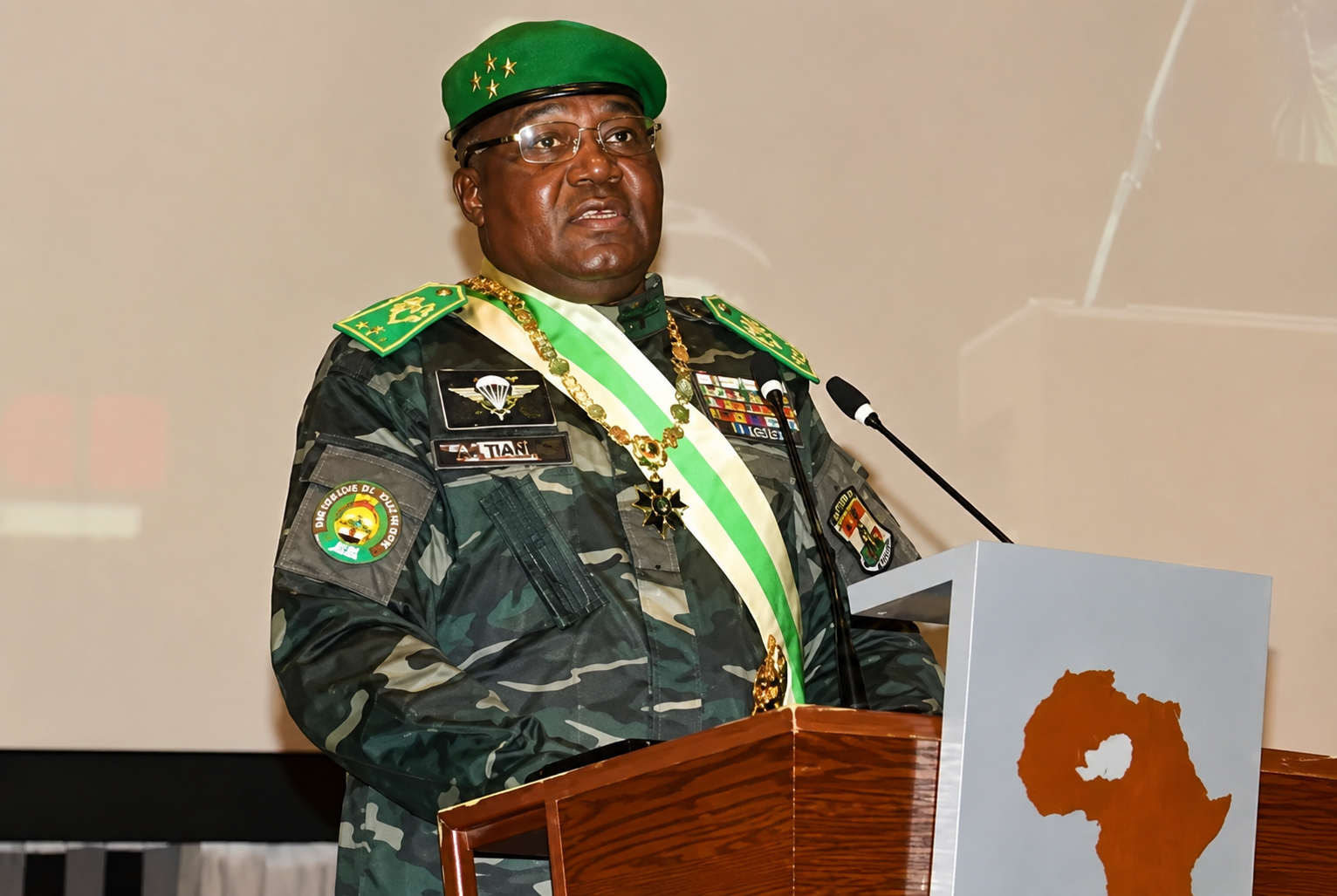
The recent televised address by General Abdourahamane Tiani underscored the widening gap between official narratives and public expectations.
Rather than outlining concrete measures to address the country’s economic or security challenges, the head of the junta devoted much of his speech to denouncing external threats and blaming foreign actors. For many analysts, this approach highlights the regime’s struggle to deliver on its core promises.
As hardships deepen, public scrutiny is shifting from assigning blame to demanding tangible solutions.
A political future locked in uncertainty
The prolonged military rule has also led to a gradual closure of the political landscape.
The absence of a clear timeline for a return to civilian governance fuels doubts about Niger’s institutional future. Political parties operate under severe limitations, and public debate remains confined, reinforcing concerns over the erosion of democratic checks and balances and civic participation.
Three years on: a balance sheet of unmet expectations
Three years after the coup, the transition’s initial promises contrast sharply with the harsh realities faced by Nigeriens.
The economy remains fragile, living costs continue to climb, civic freedoms are under pressure, and security threats persist in multiple regions. For many, the priority is no longer political discourse but the urgent need for stability, security, and economic opportunities. Calls for accountability, dialogue, and practical solutions to address citizens’ concerns grow louder with each passing day.