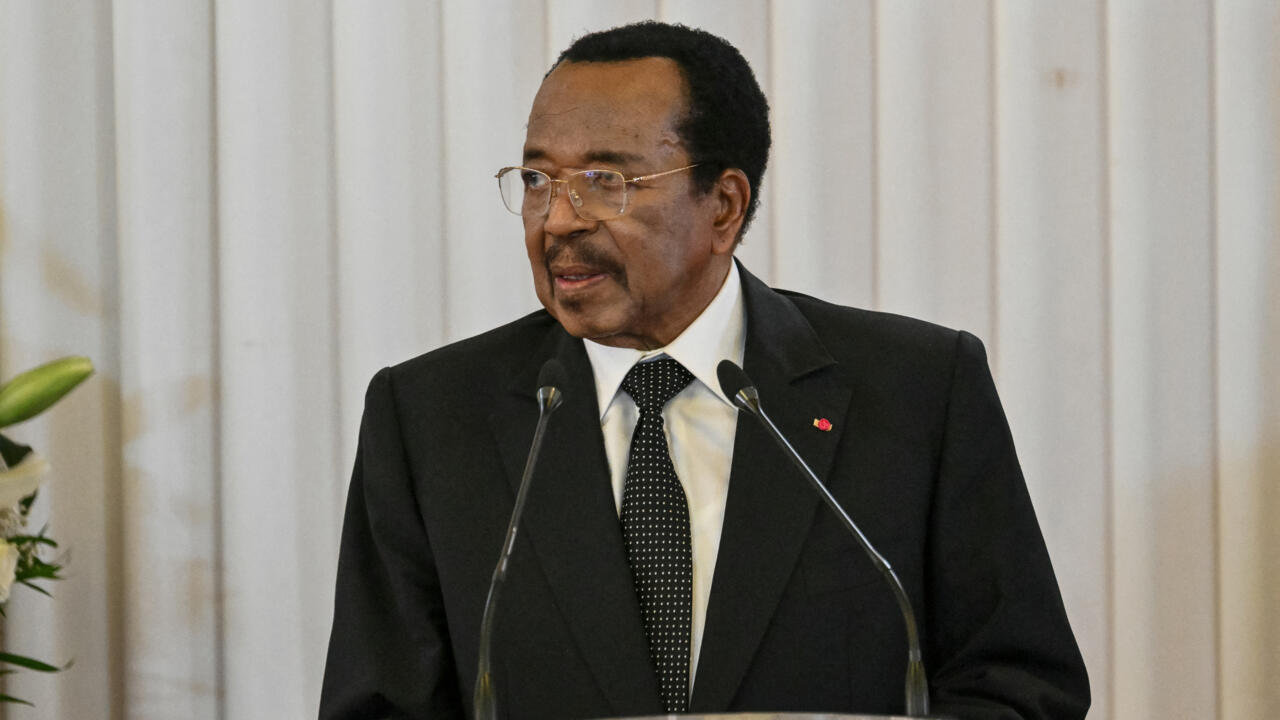
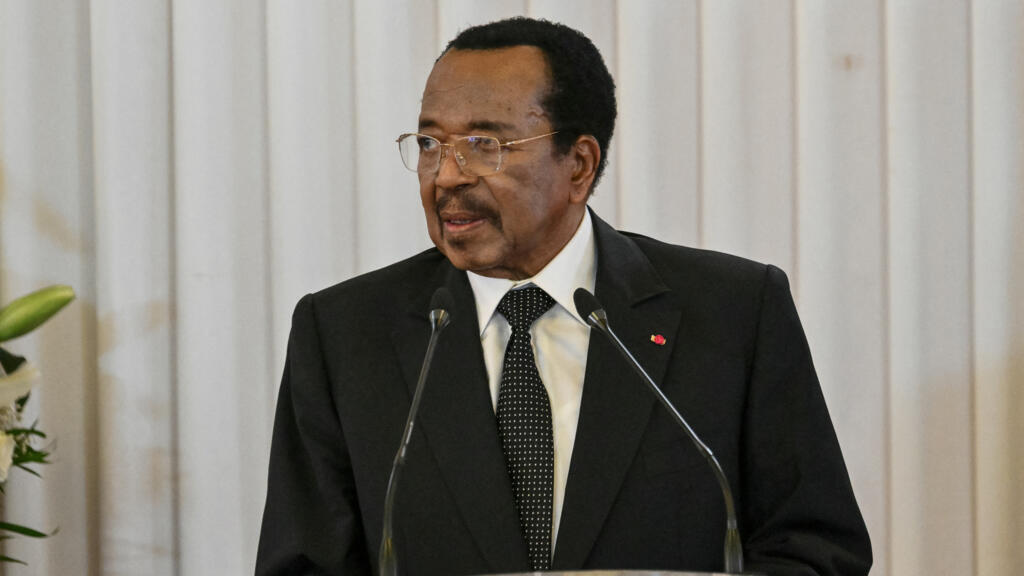
Cameroon’s President Paul Biya has not been seen in public since June 7, when the state-run Cameroon Tribune announced his departure for a “short private stay in Europe.” More than 50 days later, no further details have been provided about his location or expected return, raising concerns given his advanced age of 93. The prolonged silence from government officials has fueled speculation among opposition groups, who describe the situation as a “power vacuum,” “autopilot governance,” or a presidency operating in “remote work mode.”
Constitutional safeguards and governance risks
As the nation questions the whereabouts of its head of state, key questions arise: What does Cameroon’s Constitution say about an extended absence of the president? Could this situation disrupt the handling of critical national matters? The legal framework offers clear provisions, but their application remains uncertain in the absence of official updates.
Opposition voices and public unease
Political opponents have seized on the silence to amplify their concerns. Calls for transparency have grown louder, with critics questioning whether the government is functioning effectively under these circumstances. The lack of communication has not only intensified rumors but also cast doubt on the stability of Cameroon’s leadership.
With Stéphane Akoa, political analyst at the Paul Ango Ela Foundation.
What’s next for Cameroon?
As the nation awaits clarity, the prolonged absence of President Biya underscores the fragility of governance in a country where leadership transitions carry significant implications. The coming days could reveal whether constitutional mechanisms will be invoked or if the status quo will endure, leaving citizens and observers in a state of uncertainty.