President Félix Tshisekedi of the Democratic Republic of the Congo (DRC) has finally embraced the idea of a comprehensive national dialogue, following a landmark meeting with religious leaders in Kinshasa. The announcement, long awaited by opposition groups and civil society, marks a significant shift in the country’s political trajectory.
However, the road to implementation remains uncertain. For the initiative to move forward, the president must issue a formal decree, appoint facilitators, and establish clear timelines and discussion frameworks. The opposition coalition C64, which had planned a major demonstration for July 22, has agreed to postpone the protest. Yet, it has set an August 15 deadline for the head of state to take concrete steps, raising questions about feasibility and political will.
What prompted the president’s change of heart?
While the exact motivations behind Tshisekedi’s decision remain a subject of debate, several factors likely influenced his stance. The persistent pressure from religious institutions, which have played a pivotal mediating role, cannot be overlooked. These groups have consistently advocated for inclusive governance as a pathway to national stability.
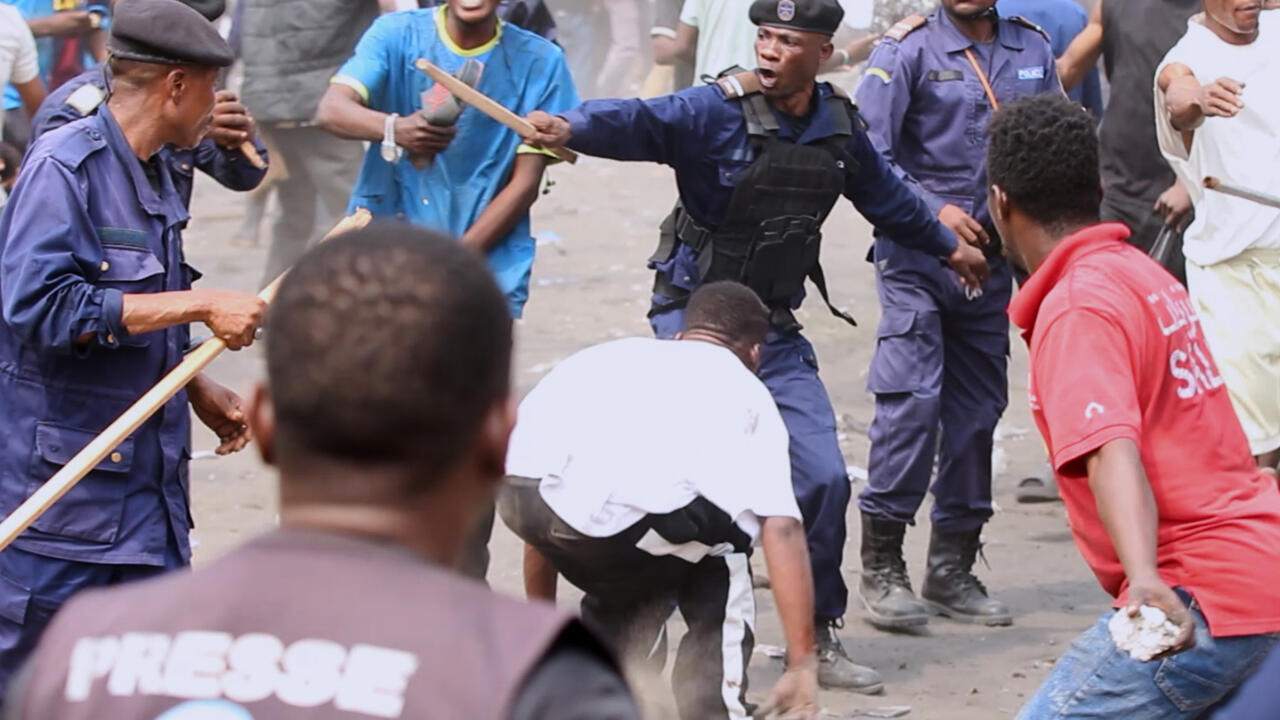
Additionally, the growing public frustration with prolonged political gridlock may have compelled the president to reconsider his approach. The opposition’s mobilization, coupled with international scrutiny, added further urgency to the situation. By opening channels for dialogue, Tshisekedi may be seeking to restore confidence among citizens and international partners alike.
Challenges and expectations ahead
The proposed dialogue is not without hurdles. The opposition’s willingness to delay its protest is conditional on tangible progress, underscoring the need for swift and transparent action. Failure to meet the August 15 deadline could reignite tensions and lead to renewed unrest.
Key milestones must still be achieved, including the selection of credible facilitators and the establishment of an inclusive agenda. The president’s ability to balance competing interests while ensuring fair representation will be critical to the dialogue’s success.
As the nation watches closely, the coming weeks will determine whether this initiative represents a genuine step toward reconciliation or merely a tactical maneuver to alleviate immediate pressures.