World Vision Tchad’s Ambitious 2030 Roadmap to Transform Children’s Lives
World Vision Tchad has unveiled its groundbreaking 2026-2030 strategy, targeting 3.29 million children across the nation. This integrated approach merges humanitarian aid, sustainable development and peacebuilding initiatives.
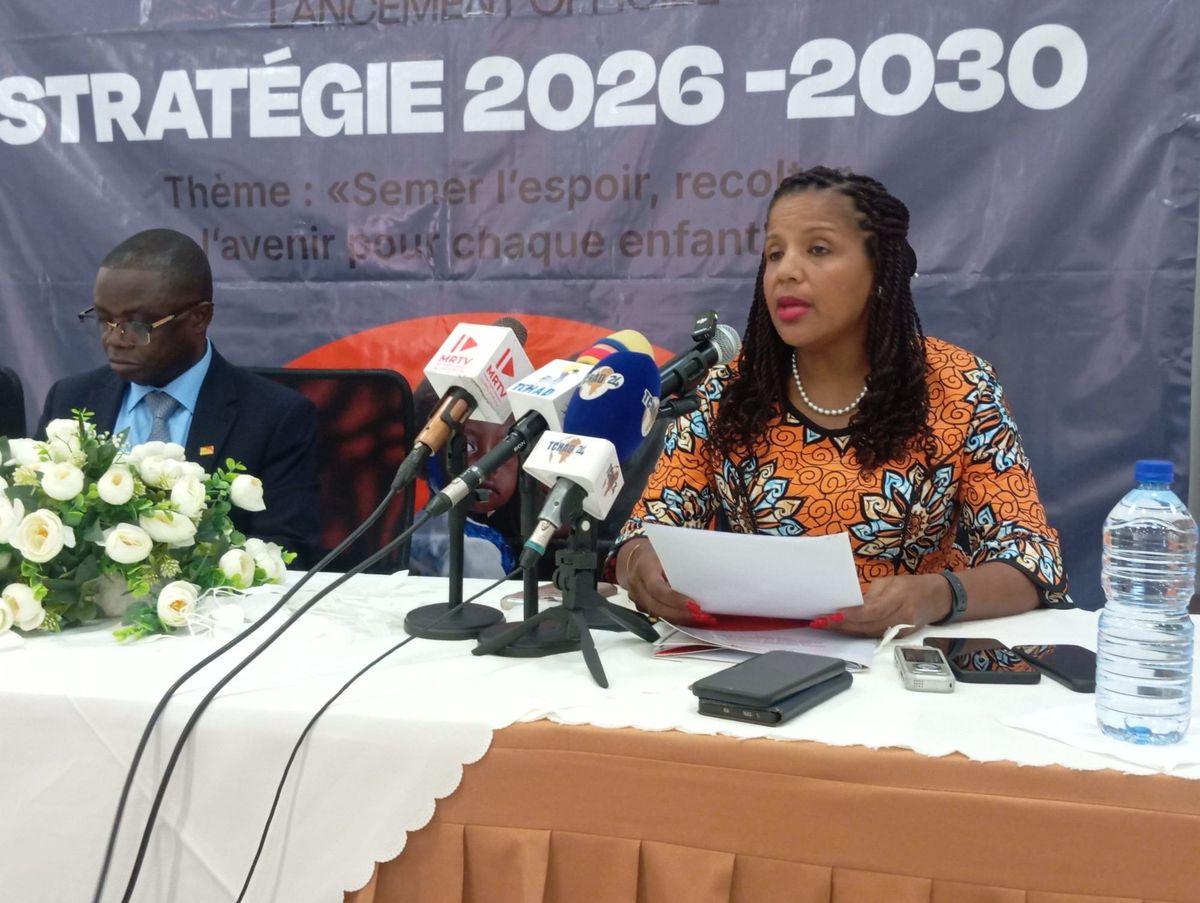
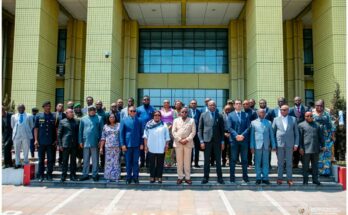
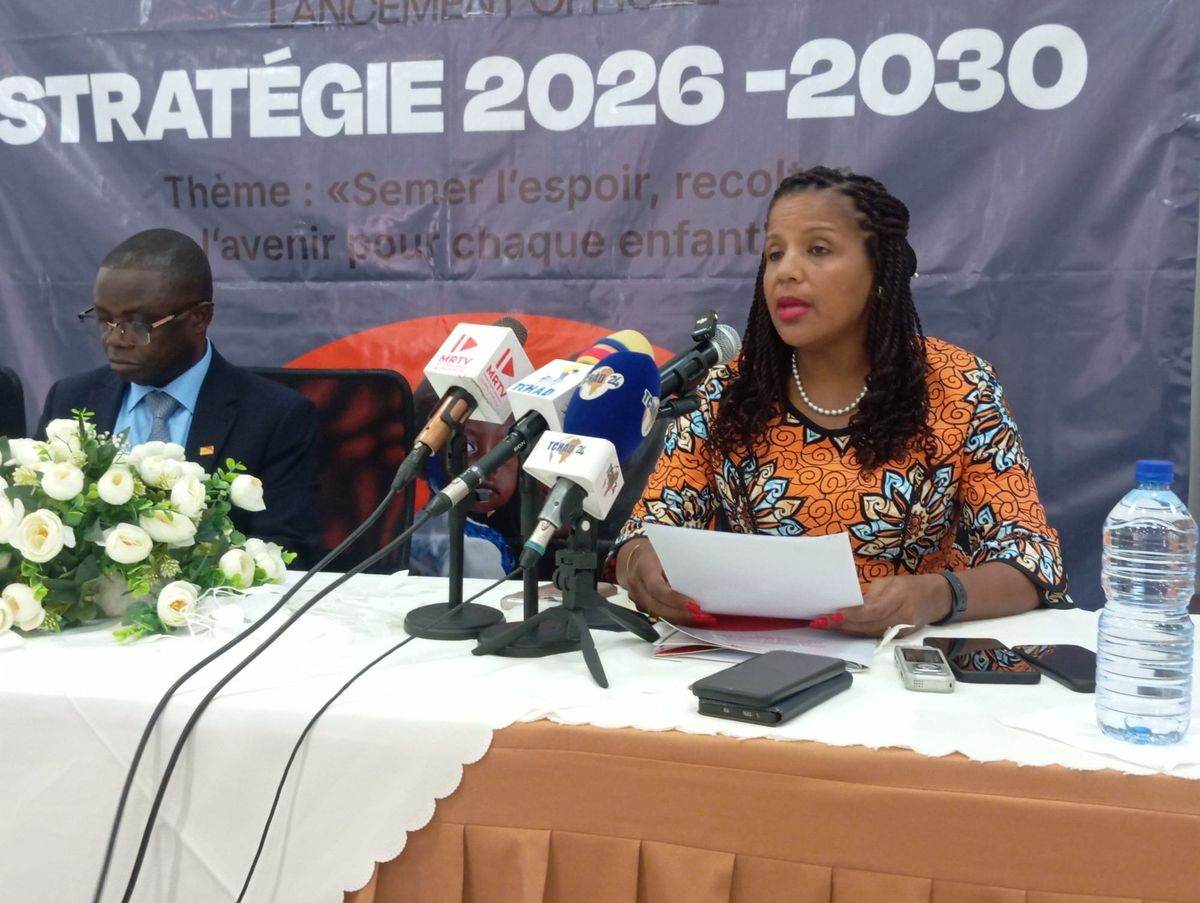
N’Djamena – World Vision Tchad has officially introduced its transformative 2026-2030 national strategy during a high-profile press conference held in the capital. The initiative brings together media representatives, technical and financial partners, and government officials to outline a comprehensive plan to reach 3.29 million children by 2030, including 3.09 million from the most vulnerable communities.
The strategy focuses on five critical pillars: health, nutrition, education, child protection, and climate resilience. At the launch event in N’Djamena’s Residence Hotel, regional leadership emphasized the innovative “Humanitarian-Development-Peace Nexus” approach, which bridges emergency relief with long-term sustainable development and peacebuilding efforts.
An Integrated Vision for Child Development
Carla Dominique Denizard, World Vision West Africa Regional Director, described the strategy as “bold and visionary.” She highlighted that the framework is designed to create lasting change by addressing immediate needs while building resilient systems for the future. “Every child in Chad deserves not just survival, but the chance to thrive,” she stated, emphasizing the importance of partnerships, community engagement, and cultural sensitivity in implementation.
The strategy aligns with continental and global development agendas, including the African Union’s Agenda 2063, the United Nations Sustainable Development Goals (SDGs 1, 2, 3, 4, 5, 6, 13, and 16), and Chad’s own Vision 2030. Key priorities include strengthening human capital, enhancing social protection systems, adapting to climate change, and expanding access to quality education through initiatives like the Unlock Literacy program.
A 20% Increase in Ambition
Édouard Ngoy Wangoy, National Director of World Vision Tchad, called the strategy launch a “historic milestone” for the organization and the children of Chad. “This represents a 20% increase in our ambitions compared to our previous cycle,” he noted. “Our goal is simple yet profound: to ensure that every child in Chad not only survives but flourishes.”
Highlighting the urgency of the situation, Wangoy pointed to Chad’s persistent challenges: extreme poverty affecting 42% of the population, recurring humanitarian crises, and severe climate impacts. “The statistics demand urgent action,” he added. “We must intensify our efforts to protect the most vulnerable and build sustainable solutions for future generations.”
Key Strategic Priorities
- Integrated Nutrition and Health: Special focus on maternal and child health to combat malnutrition and reduce preventable deaths.
- Education Transformation: Expanding the Unlock Literacy program to improve early reading skills and educational outcomes.
- Child Protection: Strengthening systems to shield children from violence, exploitation, and abuse.
- Climate Resilience: Empowering communities to adapt to environmental challenges through sustainable practices.
A Call for Collective Action
World Vision Tchad concluded the event with a powerful call to action, urging all national stakeholders—government agencies, technical partners, civil society organizations, religious leaders, community representatives, and media—to join forces. “Transforming Chad’s challenges into sustainable opportunities requires a united effort,” the leadership emphasized. “Together, we can build a future where every child is protected, nourished, educated, and empowered to reach their full potential.”
By implementing this ambitious 2026-2030 strategy, World Vision Tchad aims to contribute significantly to the nation’s Vision 2030 goals and the global Sustainable Development Objectives, creating a brighter, more equitable future for all children in the country.