World Vision Tchad Unveils Bold 2030 Strategy for Child Welfare
World Vision Tchad has introduced its ambitious 2026-2030 national strategy, aimed at transforming the lives of 3.29 million children across the country. The integrated approach combines humanitarian aid, sustainable development, and peacebuilding initiatives to address pressing challenges faced by vulnerable communities.
Building a brighter future for Tchad’s children
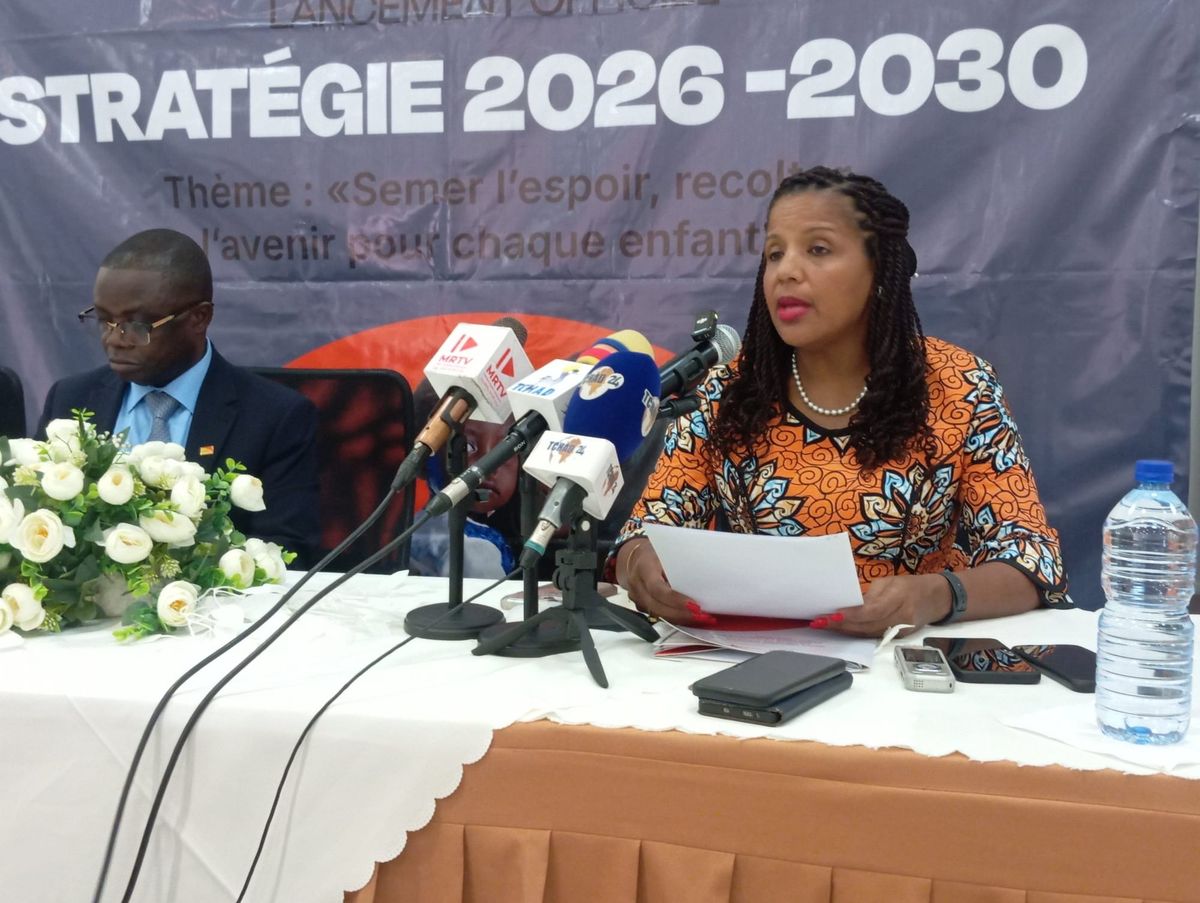
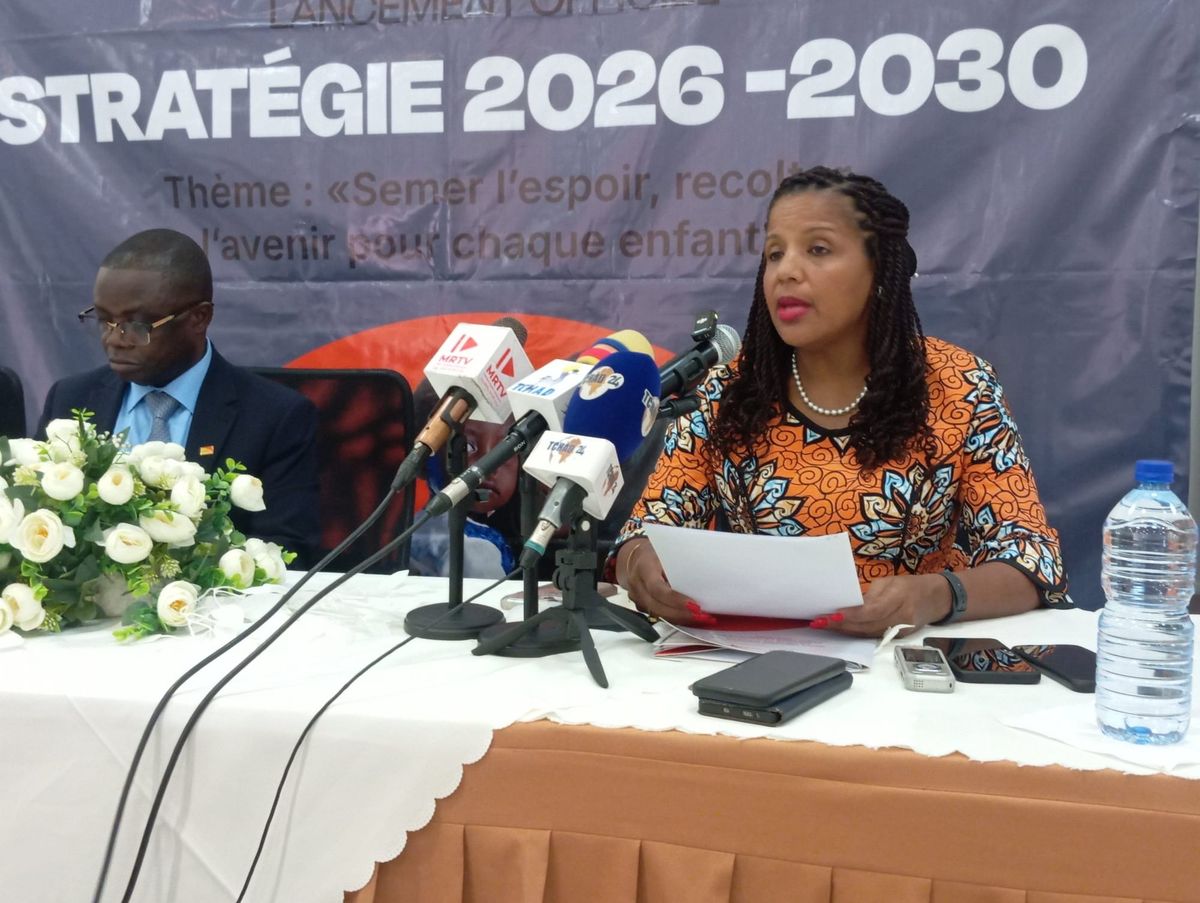
The strategy was unveiled during a high-profile press conference in N’Djamena on July 9, 2026, gathering media representatives, technical and financial partners, and national authorities. World Vision Tchad’s leadership emphasized the importance of a holistic approach that goes beyond immediate relief to foster long-term growth and stability.
Carla Dominique Denizard, Regional Director of World Vision for West Africa, described the strategy as both audacious and innovative. She highlighted the Humanitarian-Development-Peace Nexus framework, which bridges emergency response with sustainable development and peace initiatives. « Every child in Tchad deserves a life of abundance, » she stated, stressing the need for strong partnerships, community engagement, and cultural sensitivity in implementation.
Denizard also underscored the organization’s broader vision for West and Central Africa: ensuring that children in fragile contexts not only survive but thrive. She pointed to persistent challenges across the region, including insecurity, multidimensional poverty, climate change impacts, and mass displacement. « Our approach is clear, » she said. « We must combine relief with resilience, development with dignity. »
Aligning with global and continental goals
The 2026-2030 strategy is designed to align with key continental and international frameworks, including:
- Agenda 2063 of the African Union
- Sustainable Development Goals (SDGs 1, 2, 3, 4, 5, 6, 13, and 16)
- Chad’s Vision 2030
The strategy prioritizes human capital development, social protection, climate adaptation, and education—particularly through the Unlock Literacy program aimed at early childhood reading skills. Protection of children from all forms of violence remains a cornerstone of the plan.
Édouard Ngoy Wangoy, National Director of World Vision Tchad, called the launch a historic milestone. « This strategy represents a 20% increase in our ambitions compared to the previous cycle, » he noted. « Our goal is simple yet bold: reach 3.29 million children by 2030, including 3.09 million of the most vulnerable. We want every child in Tchad not just to survive, but to flourish. »
Wangoy highlighted the country’s persistent struggles: chronic poverty, malnutrition, recurring humanitarian crises, and climate-related shocks. « Nearly 42% of Chad’s population lives below the poverty line, » he said. « This reality demands urgent, intensified action. »
Key pillars of the 2026-2030 strategy
World Vision Tchad’s new roadmap is built on four core pillars:
- Integrated nutrition and health: Focus on maternal and child health, with targeted interventions in malnutrition hotspots.
- Education and literacy: Expanding the Unlock Literacy program to improve foundational reading skills in early grades.
- Child protection: Strengthening systems to safeguard children from exploitation, abuse, and violence.
- Climate resilience: Empowering communities to adapt to environmental changes through sustainable practices and disaster preparedness.
Following the launch, World Vision Tchad’s leadership issued a collective call to action. They urged public authorities, technical and financial partners, civil society organizations, religious and community leaders, and the media to join forces in supporting the strategy’s implementation. « Collective mobilization is not optional—it is essential, » Wangoy emphasized. « Together, we can turn today’s challenges into sustainable opportunities for Tchad’s children. »
The strategy underscores World Vision Tchad’s commitment to contributing to the country’s Vision 2030 and the global SDGs, envisioning a future where every child is protected, nourished, educated, and empowered to reach their full potential.