Bénin: Political figure hails activist’s release and calls for unity
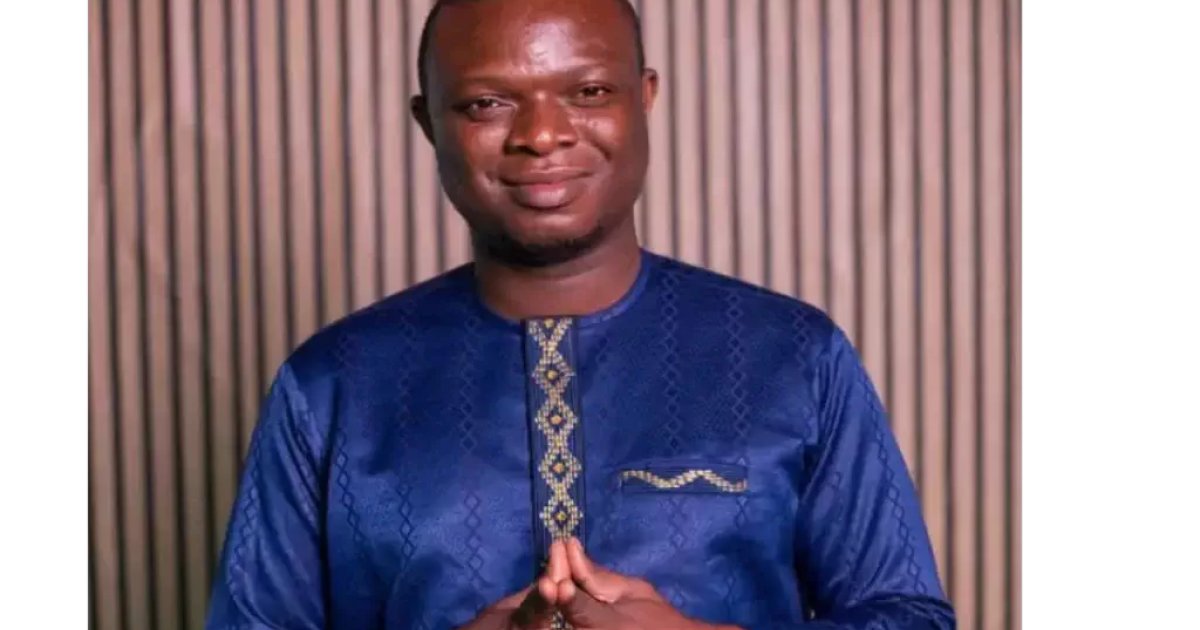
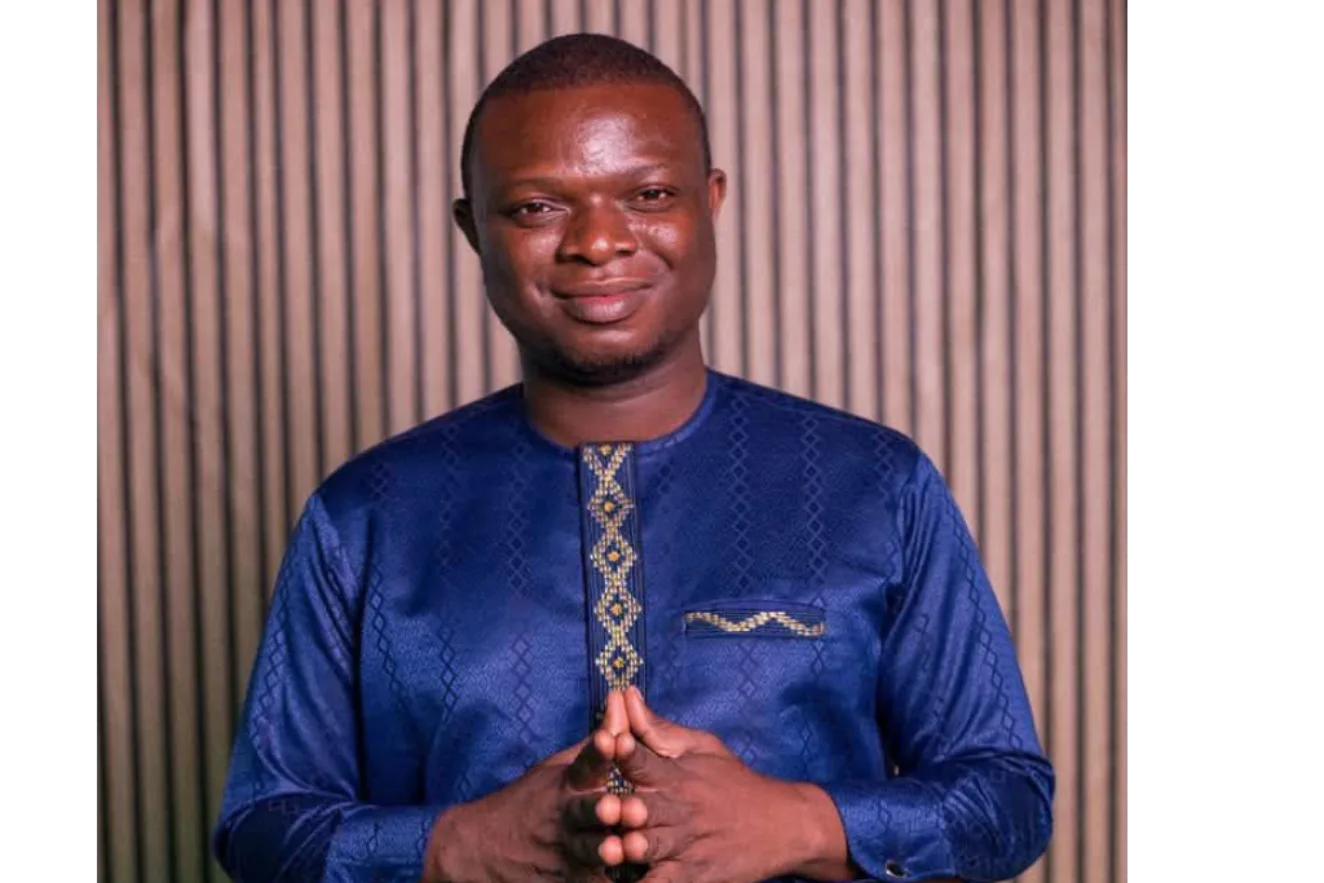
Benin’s political landscape witnessed a significant moment on August 1, 2026, when Julien Kandé Kansou, a poet and member of the opposition party Les Démocrates, was granted freedom following a presidential pardon issued by Romuald Wadagni, the nation’s head of state.
Political reactions to the release
The decision to free Julien Kandé Kansou has sparked a wave of positive responses across Benin’s political spectrum. Among the most vocal supporters is Valentin Djenontin, a former government minister, who hailed the move as a critical step toward restoring national harmony.
In a public statement issued on August 2, 2026, Djenontin-Agossou—his full name—expressed his satisfaction with the presidential grace, describing it as a salutary gesture of appeasement for the country’s democratic life. Despite maintaining his stance on the circumstances surrounding Kansou’s initial detention, he emphasized the importance of recognizing actions that contribute to easing political tensions.
A call for broader reconciliation
Djenontin did not limit his remarks to mere praise. He seized the occasion to urge President Romuald Wadagni and his administration to build on this act of clemency by launching a comprehensive national reconciliation initiative. His appeal extends beyond Kansou’s case, calling for the release of other detainees—particularly those he describes as political prisoners—as a means to foster sincere dialogue, forgiveness, and national cohesion.
The former minister framed the president’s decision as a victory for humanity and a pivotal move toward lasting peace in Benin. By advocating for an expansive wave of pardons, he positioned the issue not merely as a legal matter but as a moral imperative for the nation’s future stability.
Implications for Benin’s political climate
The release of Julien Kandé Kansou arrives at a time when Benin faces growing calls for political inclusivity and transparency. Observers note that gestures of clemency, when paired with broader reconciliation efforts, can play a transformative role in healing societal divisions. Djenontin’s call to action signals a potential turning point, encouraging both leadership and citizens to prioritize unity over division.
The coming weeks will reveal whether this moment will catalyze further steps toward national cohesion or remain an isolated act of goodwill.